Where Does Your US$1,500 Gorilla Permit Money Actually Go?
Ten per cent goes straight to the villages around the park. Here is the rest of the breakdown — and the evidence it works.
 Eben Safari Tours TeamUpdated 3 min read
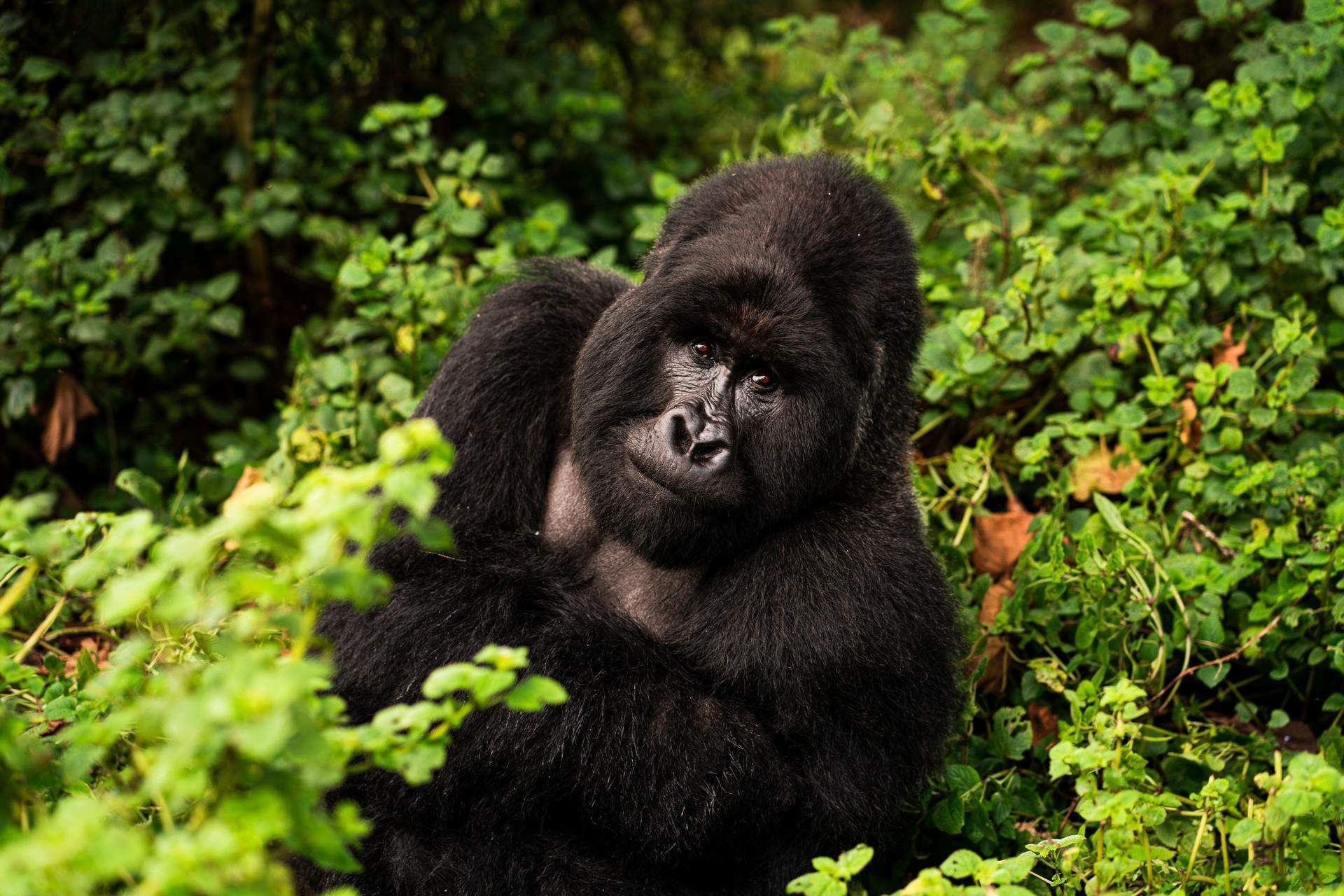
It is a fair question to ask before you spend US$1,500 on one hour. The short answer is that gorilla tourism in Rwanda is among the clearest examples anywhere of tourist money producing a measurable conservation outcome.
The headline mechanism: 10% revenue sharing
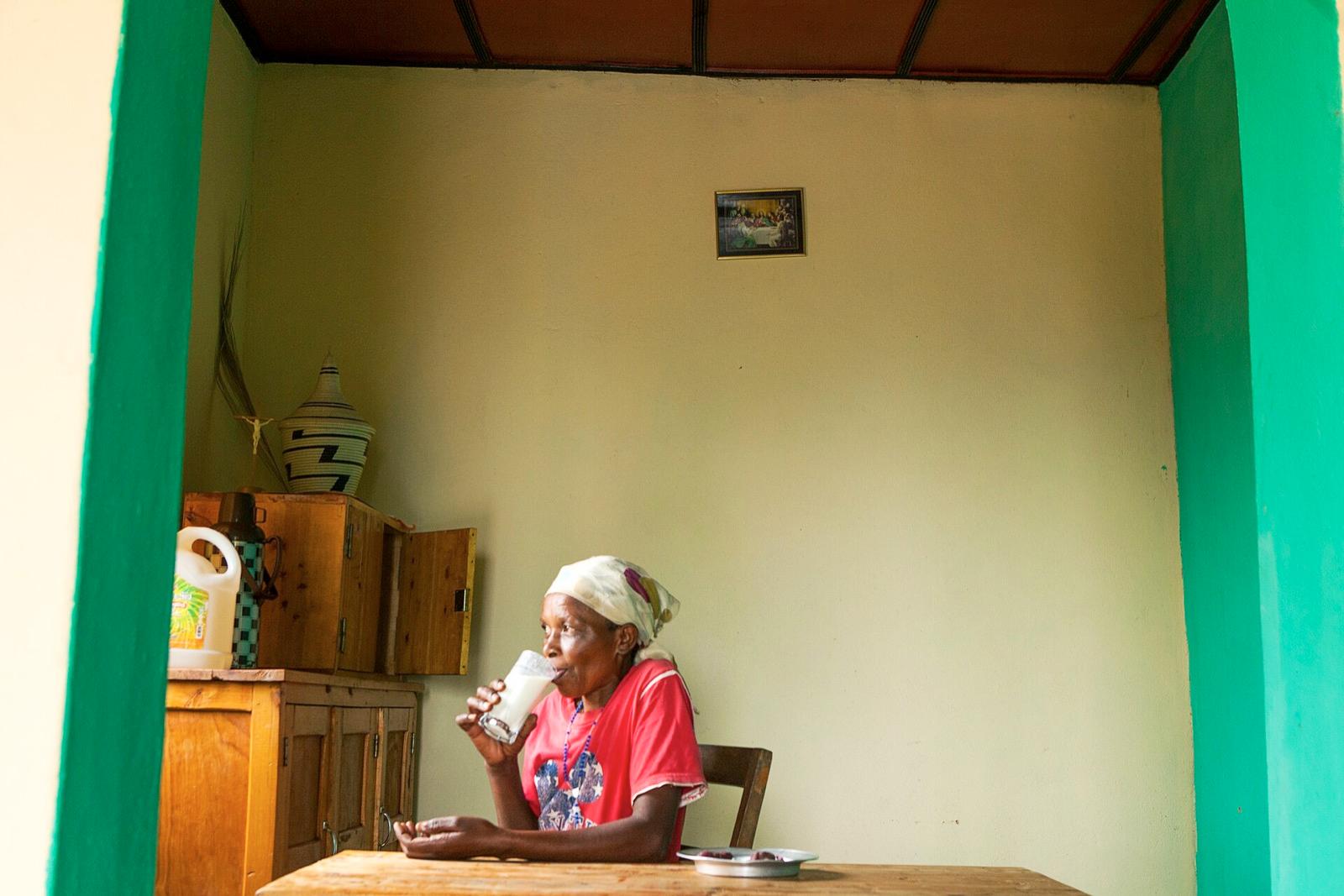
Since 2005, Rwanda has paid 10% of all national park revenue into a tourism revenue-sharing scheme for communities living around the parks. Villages, through local committees, choose the projects.
Around Volcanoes National Park that money has built:
- Classrooms and school blocks
- Health centres and maternity wards
- Clean water systems and rainwater harvesting
- Roads and footbridges
- Housing for vulnerable families
- Co-operatives: beekeeping, handicrafts, mushroom growing, dairy
In 2022 Rwanda announced an increase of the share, and the scheme has disbursed many millions of dollars since inception.
What the rest funds
Ranger and tracker salaries. Every habituated family has trackers with it from dawn to dusk, every day of the year — not for tourists, but so that rangers know where each gorilla is and can spot injury or illness immediately.
Veterinary care. Gorilla Doctors, a specialist veterinary programme, treats snare injuries and respiratory infections in the field. Snare removal has saved many individual gorillas.
Anti-poaching patrols. Gorillas are rarely targeted directly now, but snares set for antelope catch them. Patrols sweep and destroy thousands of snares a year.
Park infrastructure. The buffalo wall, trails, the Kinigi headquarters, vehicles, radios.
The Volcanoes Community Based Tourism enterprises, including the Gorilla Guardians Village, which employs former poachers as cultural guides.
The evidence it works
| Year | Mountain gorillas (approx.) |
|---|---|
| 1981 | 242 |
| 2003 | 380 |
| 2010 | 480 |
| 2016 | 604 (Virungas) |
| Today | ~1,063 (both populations) |
In 2018 the IUCN downgraded the species from Critically Endangered to Endangered. No other great ape is moving in that direction.
The mechanism is not sentimental. It is economic. A live gorilla generates recurring revenue for the park and for the family living on the hill beside it. A dead one generates a single payment and a prison sentence. Rwanda changed the maths.
The honest caveats
Not every dollar reaches a village. Revenue sharing is administered through local government and, as with any such scheme, project selection and delivery vary.
Tourism concentrates benefit. Households nearest the park and those employed in lodges gain most; people a few kilometres away less so.
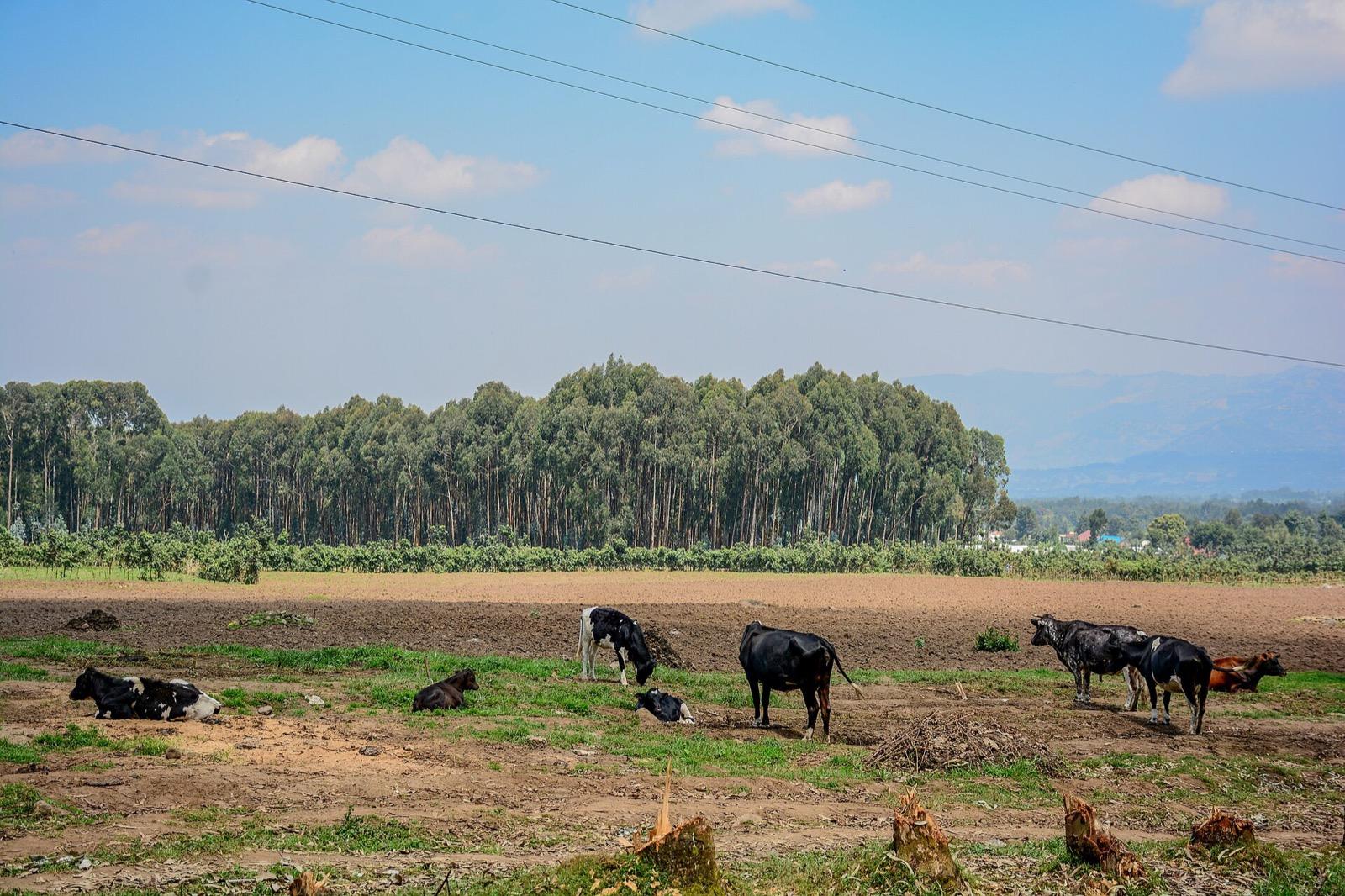
Crop raiding is a real cost. Buffalo and gorillas leaving the park damage farms. Compensation schemes exist but do not always keep pace.
Dependence is a risk. The pandemic closed the parks and the revenue vanished overnight, with immediate hardship around them.
None of this undoes the case. It does mean you should spend further than the permit.
How to make your money go further
- Hire a porter (US$10–20). The fee goes directly to a household, often one that once depended on the forest.
- Tip your guide, tracker and driver. See how much to tip in Rwanda.
- Stay at a community-linked lodge. Sabyinyo Silverback Lodge is owned by the Sabyinyo Community Lodge Association.
- Visit the Gorilla Guardians Village.
- Buy from co-operatives — Azizi Life, agaseke basket weavers, local coffee washing stations.
- Use a Rwandan-owned operator, so the margin stays in the country. We are one.
Kwita Izina
Every year Rwanda names its new baby gorillas in a national ceremony attended by tens of thousands of people. It is a conservation campaign disguised as a party, and it works. Read about Kwita Izina.
Your permit is expensive. It is also, measurably, one of the most effective conservation purchases available to a private individual anywhere on earth. Book a trek with our Kigali team.
Frequently asked questions
Does gorilla trekking money actually help conservation?
Yes, measurably. Permit revenue funds rangers, trackers, veterinary care and anti-poaching, and 10% of Rwanda's park revenue goes directly to surrounding communities. Mountain gorilla numbers have risen from about 242 in 1981 to roughly 1,063.
How much of the gorilla permit goes to local communities?
Rwanda pays 10% of national park revenue into a community revenue-sharing scheme, which has funded schools, clinics, water systems and co-operatives around Volcanoes National Park.
Is gorilla trekking ethical?
The strict rules — 7 metres, one hour, eight visitors, no trekking while ill — exist to protect the gorillas, and the revenue model is the main reason the population is growing. It is one of the better-designed wildlife tourism products in the world.

Written by the Eben Safari Tours team
We are a Kigali-based tour operator, guiding travellers through Rwanda, Uganda, Kenya and Tanzania since 2015. Our guides trek with the gorillas, drive Akagera and climb the volcanoes every week, and we update these guides whenever rules or prices change.