Kwita Izina: Rwanda's Gorilla Naming Ceremony Explained
Every year Rwanda names its new baby gorillas in front of tens of thousands of people. It is the best week of the year to be in Musanze.
 Eben Safari Tours TeamUpdated 3 min read
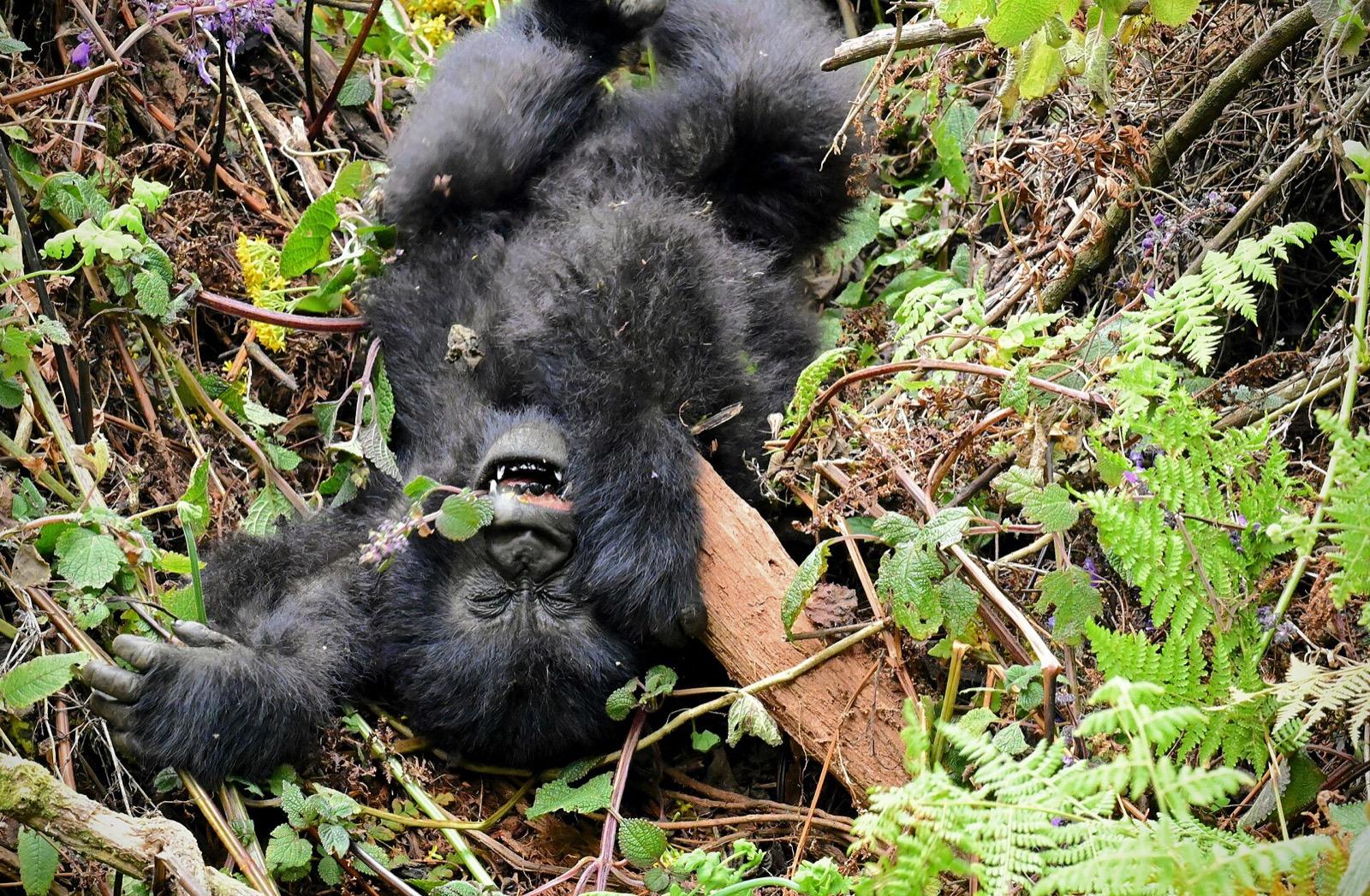
In Rwandan tradition, a newborn child is named at a gathering of family and neighbours, each of whom may suggest a name, before the parents choose. In 2005 Rwanda applied that ceremony to baby mountain gorillas — and turned a conservation statistic into a national celebration.
What happens
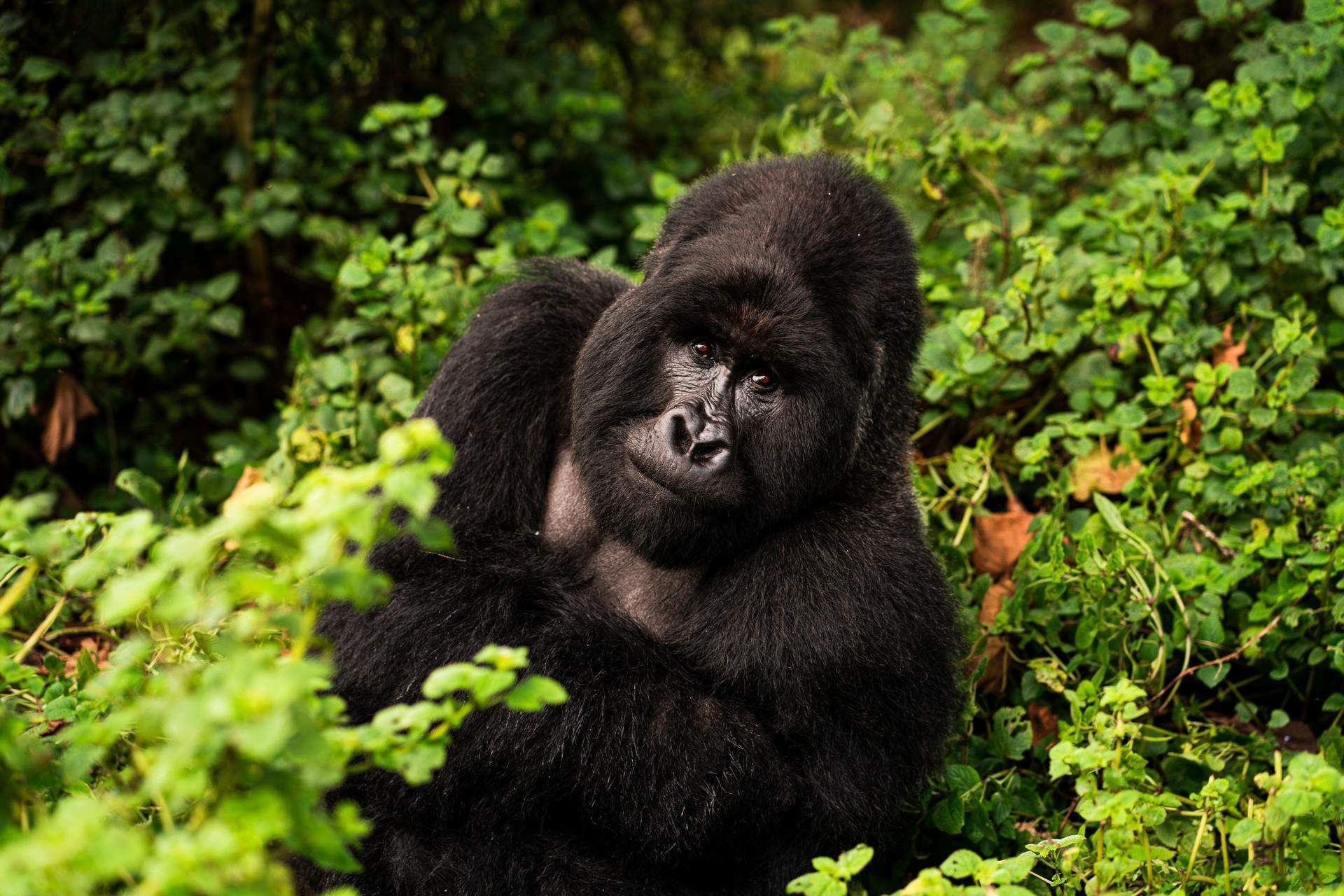
Each year, every mountain gorilla infant born in Volcanoes National Park over the preceding twelve months is given a name in Kinyarwanda. Names are chosen for the individual's character or the circumstances of its birth, suggested by the trackers who have watched it since its first day.
Namers are a mix of conservationists, researchers, community leaders, Rwandan figures and international guests — scientists, athletes, musicians, heads of state.
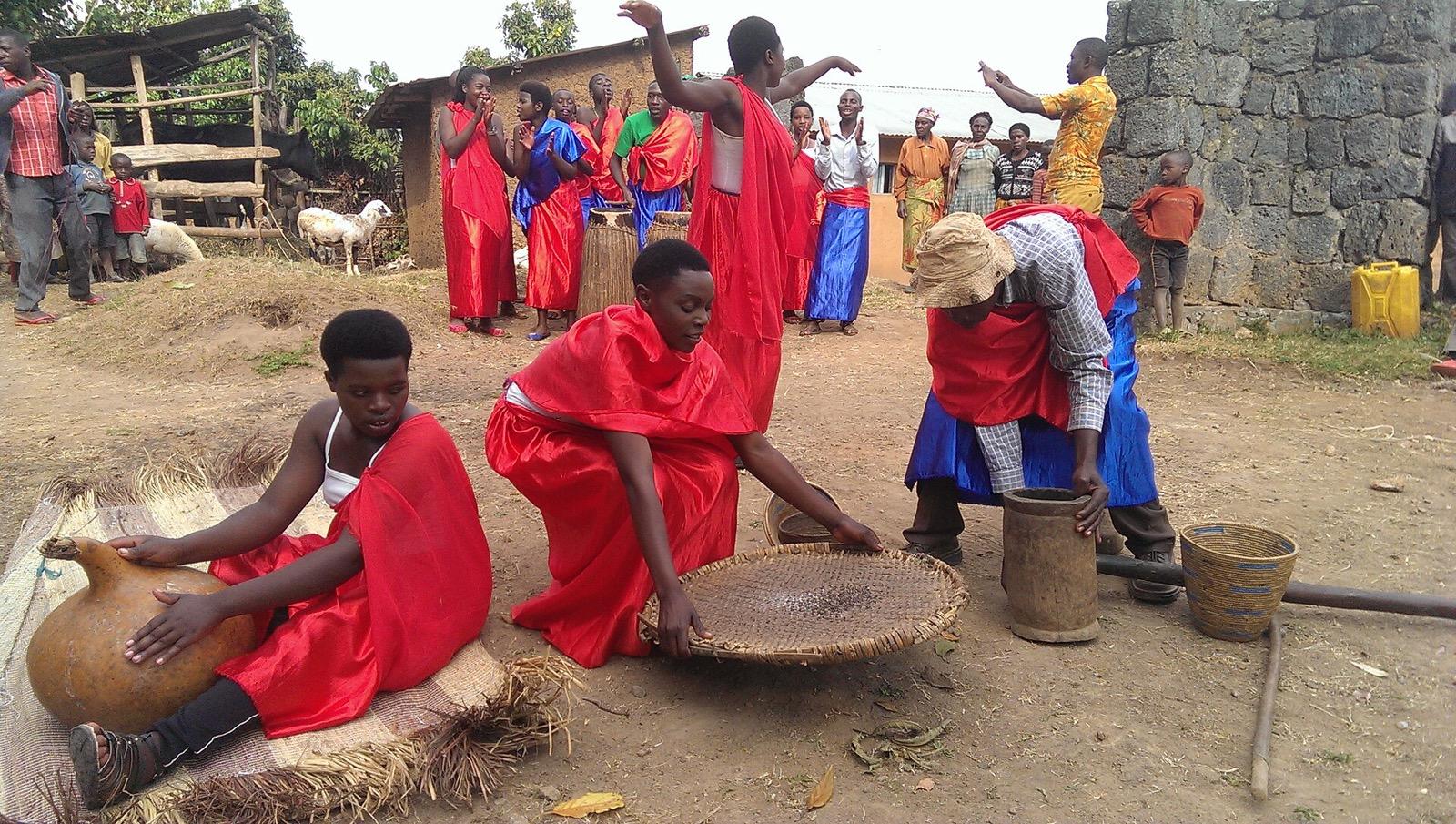
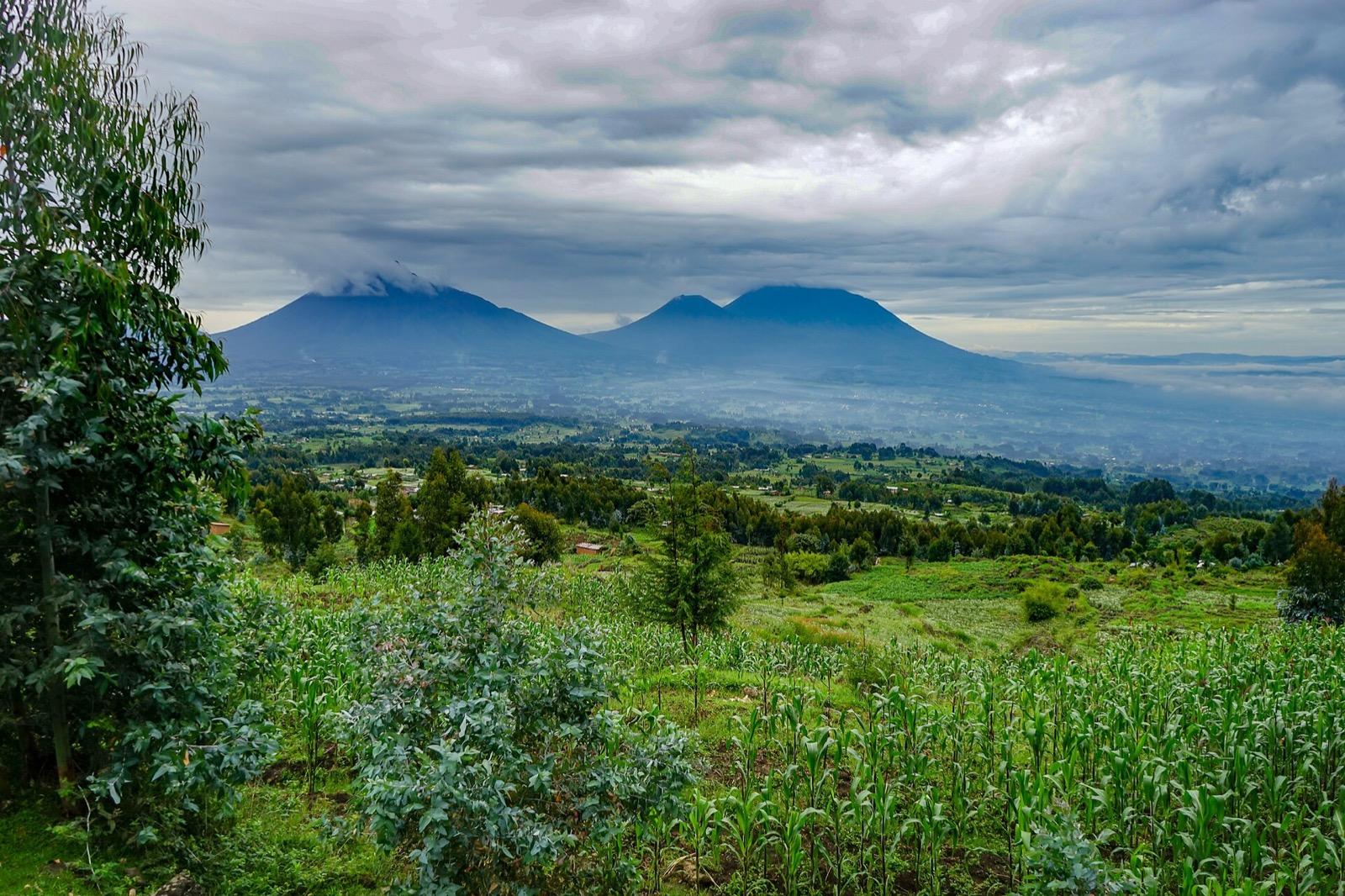
The ceremony takes place on a purpose-built stage at the foot of the volcanoes in Kinigi, in front of a crowd that regularly exceeds 30,000, with Intore dancers, drummers, speeches and the names read out one by one.
When is it?
Usually in September, though the date moves year to year and is announced by the Rwanda Development Board a few months ahead. Kwita Izina week typically includes:
- The Conversation on Conservation, a day-long conference in Kigali.
- Community events and project launches around the park.
- A major concert in Kigali.
- A cycling or running event in some years.
- The ceremony itself in Kinigi.
How to attend
Attendance is free and open to the public. There is no ticket. What you need is a place to sleep and a way to get there:
- Book lodging in Musanze or Kinigi months ahead. Everything within 30 km fills.
- Arrive early. The site fills from dawn; the ceremony runs from mid-morning into the afternoon.
- Bring sun protection, a hat and water. It is long and outdoors at altitude.
- Dress smartly. Rwandans dress well for public occasions and this is a national event.
Can you trek the same week?
Yes, and it is a wonderful combination — but permits for Kwita Izina week sell out earlier than any other date in the calendar. Book 6–8 months ahead if you want both. Our team handles permits and the ceremony logistics together.
Why it matters
It is easy to be cynical about a naming ceremony. Do not be. Kwita Izina does three concrete things:
- It makes conservation a national celebration rather than an international imposition. Tens of thousands of Rwandans attend by choice.
- It puts the community at the centre. Revenue-sharing projects are announced there, in front of the people who receive them.
- It communicates the numbers. Each year's count of new infants is the most legible possible measure of whether the population is growing. Since 2005, several hundred gorillas have been named.
Trackers who once worked as poachers now stand on that stage naming the babies they have protected. That is the whole story of Rwandan conservation in one image.
Names to know
Past names give the flavour: Ihumure (be calm), Isimbi (precious), Gukunda (to love), Icyizere (hope), Ubumwe (unity), Ingangare (brave one).
Planning a trip around it
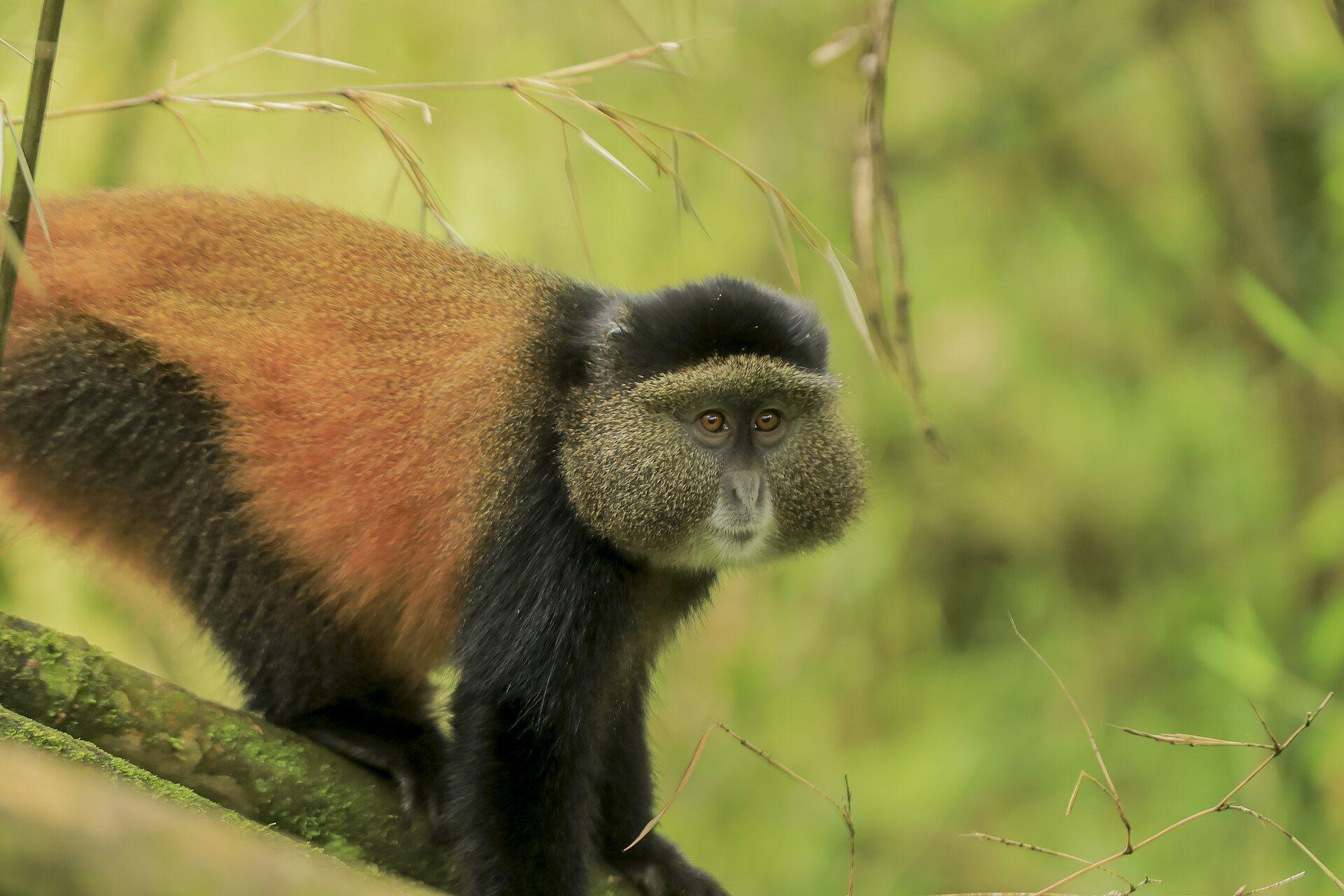
Day 1–2: Kigali, the Conversation on Conservation. Day 3: Drive to Musanze. Day 4: Kwita Izina at Kinigi. Day 5: Gorilla trek. Day 6: Golden monkeys or the Dian Fossey hike. Day 7: Twin lakes, then back to Kigali.
Ask our team about Kwita Izina dates and we will hold permits for that week as soon as they open. For the trek itself, see our 3-Day Rwanda Gorilla Trekking Safari.
Frequently asked questions
When is Kwita Izina held?
Usually in September at Kinigi, near Volcanoes National Park, though the exact date is announced by the Rwanda Development Board a few months ahead each year.
Can tourists attend the gorilla naming ceremony?
Yes. Kwita Izina is free and open to the public. Book accommodation in Musanze or Kinigi several months ahead, because everything within 30 km of the park fills up.
Who names the baby gorillas at Kwita Izina?
A mix of conservationists, researchers, community leaders, Rwandan public figures and international guests, with names suggested by the trackers who follow each family daily.

Written by the Eben Safari Tours team
We are a Kigali-based tour operator, guiding travellers through Rwanda, Uganda, Kenya and Tanzania since 2015. Our guides trek with the gorillas, drive Akagera and climb the volcanoes every week, and we update these guides whenever rules or prices change.