Cultural Experiences in Rwanda: Meeting Local Communities
Dancing, drumming, cow-dung art, banana beer and a village of former poachers. Rwanda's cultural side is the part people underestimate.
 Eben Safari Tours Team3 min read
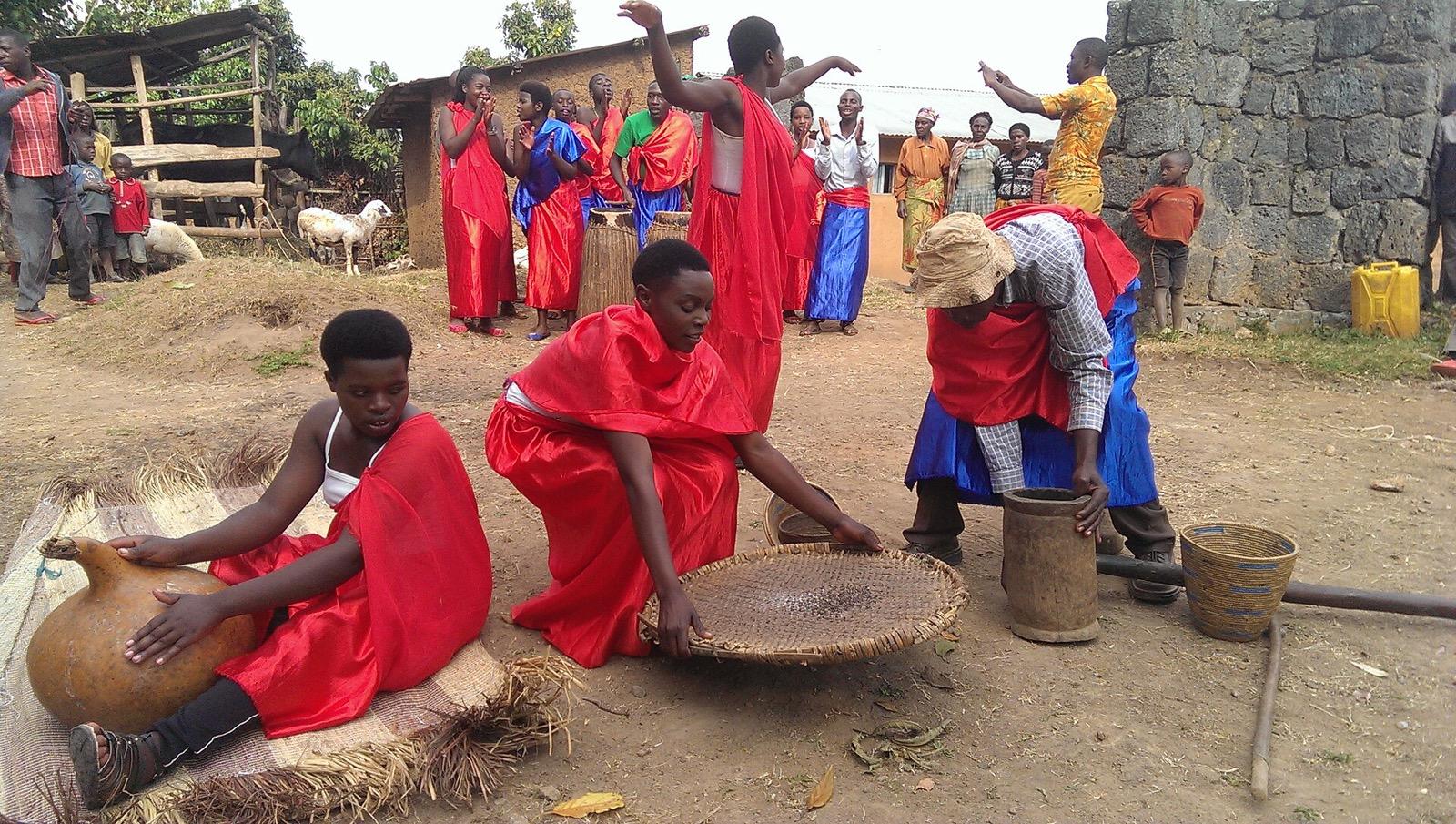
Gorilla Guardians Village (Iby'iwacu), Musanze
The best-known cultural experience in Rwanda, and genuinely good. Set up to give former poachers an alternative livelihood, it is run by the community itself.
What happens: a traditional king's welcome, Intore dancing and drumming, archery with a real bow, banana beer brewing (you will be offered some), a traditional healer explaining medicinal plants, grinding sorghum, and a chance to join in with everything.
It can feel staged if you are cynical about it. It is also an actual employment programme that has taken people out of poaching, and the performers are genuinely enjoying themselves. Go with an open mind. About US$30–40 per person, half a day, right beside Volcanoes National Park.
Intore dance
Rwanda's warrior dance, performed by men in long blonde-grass headdresses with spears and bells, alongside the graceful umushagiriro women's cow dance and the thunderous Ingoma drumming.
Where to see it: the Gorilla Guardians Village, the Rwanda Cultural Heritage Academy, many lodges, and the gorilla briefing at Kinigi — where dancers perform at 07:00 while the warden allocates families.
The King's Palace Museum, Nyanza
A reconstruction of the traditional royal residence of the Nyiginya kings, a vast domed structure of woven grass and wood, plus the 1930s colonial-era palace.
The highlight is the Inyambo — the royal long-horned cattle, descendants of the king's herd, with horns up to 2.4 m across. Herders sing to them, and the cattle respond. It is one of the strangest and most memorable things in Rwanda.
Ethnographic Museum, Huye (Butare)
Widely regarded as the best museum in East Africa. Seven galleries on Rwandan geology, agriculture, crafts, dress, architecture and ritual. Give it two hours. US$8.
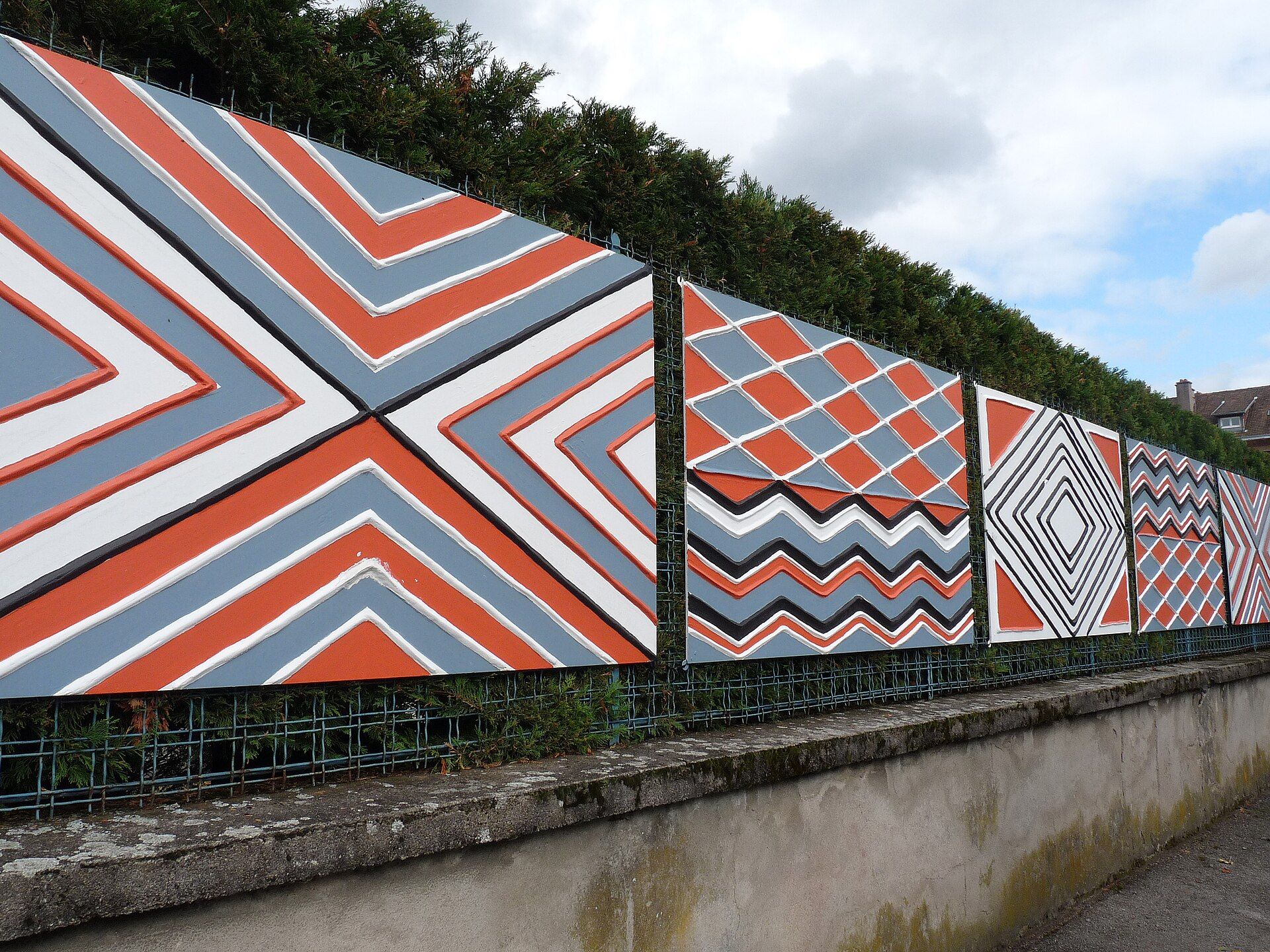
Imigongo art
Geometric art in black, white, red and ochre, traditionally made with cow dung mixed with ash and clay, then painted. Originating in Kibungo in the east, it is Rwanda's most distinctive visual tradition.
Visit the Kakira Imigongo Co-operative in the Eastern Province to make a piece yourself, or buy at Kigali's Caplaki craft village.
Agaseke basket weaving
The peace basket — tightly woven sisal with a conical lid — is Rwanda's national symbol and appears on the coat of arms. Co-operatives across the country, many formed as reconciliation projects bringing together survivors and perpetrators' families, weave and sell them.
Azizi Life near Muhanga runs a full day where you live and work alongside a women's co-operative: farming, weaving, cooking, eating together. One of the most genuine cultural experiences in the country.
Nyamirambo Women's Centre walking tour, Kigali
A guided walk through Nyamirambo, Kigali's oldest and most vibrant quarter — a Muslim neighbourhood of tailors, hair salons, mosques and street food. Ends with a home-cooked lunch. US$25, three hours, and the best afternoon in Kigali. Proceeds fund literacy and vocational training for local women.
Coffee and tea co-operatives
Question Coffee in Kigali works with 30,000 women smallholders; their cupping sessions and farm tours are excellent. Washing stations around Huye, Karongi and Rubavu welcome visitors, and the Gisovu, Sorwathe and Pfunda tea estates offer plantation walks and tastings.
Picking, pulping, drying, roasting and cupping your own coffee in a day is a genuinely good experience.
Kigali's art scene
- Inema Arts Centre — the best-known contemporary gallery, with resident artists, free to visit.
- Niyo Arts Gallery — funds a school for street children.
- Kigali Genocide Memorial — not an art space, but the single most important place in the country. Our guide.
Markets
Kimironko Market, Kigali — fabric, fruit, baskets, noise, bargaining. Go with a guide the first time; it is large and friendly and faster with help. Musanze market is smaller and easier.
Etiquette when visiting communities
- Ask before photographing people. Always. A smile and a gesture at your camera is enough.
- Dress modestly — covered shoulders and knees in villages and churches.
- Greet properly. Muraho, then amakuru? Greetings matter enormously in Rwandan culture.
- Buy something. Even small.
- Do not give money or sweets to children. It encourages begging and keeps children out of school. Support a co-operative or school instead.
- Use your right hand or both hands to give and receive.
See Rwanda's customs and etiquette and how to support local communities.
Frequently asked questions
What cultural experiences are there in Rwanda?
The Gorilla Guardians Village near Volcanoes National Park, Intore dance and drumming, imigongo art workshops, the King's Palace at Nyanza with its long-horned Inyambo cattle, the Huye Ethnographic Museum and the Nyamirambo walking tour in Kigali.
Is the Gorilla Guardians Village worth visiting?
Yes. It was created to give former poachers an alternative livelihood and is run by the community. Expect dancing, drumming, archery, banana beer brewing and a traditional healer, for about US$30–40.
What is imigongo art?
Rwanda's distinctive geometric art in black, white, red and ochre, traditionally made with cow dung mixed with ash and clay. It originates in Kibungo in eastern Rwanda.

Written by the Eben Safari Tours team
We are a Kigali-based tour operator, guiding travellers through Rwanda, Uganda, Kenya and Tanzania since 2015. Our guides trek with the gorillas, drive Akagera and climb the volcanoes every week, and we update these guides whenever rules or prices change.