- Where
- Volcanoes National Park, Musanze (2.5 hours from Kigali)
- Duration
- Briefing at 7:00 am; trek 1–6 hours return; 1 hour with the gorillas
- Cost
- Permit US$1,500 per person; 1-day tour from Kigali US$1,795
- Difficulty
- Moderate
- Minimum age
- 15 years
- Best time
- June–September and December–February (drier trails); possible all year
What is gorilla trekking?
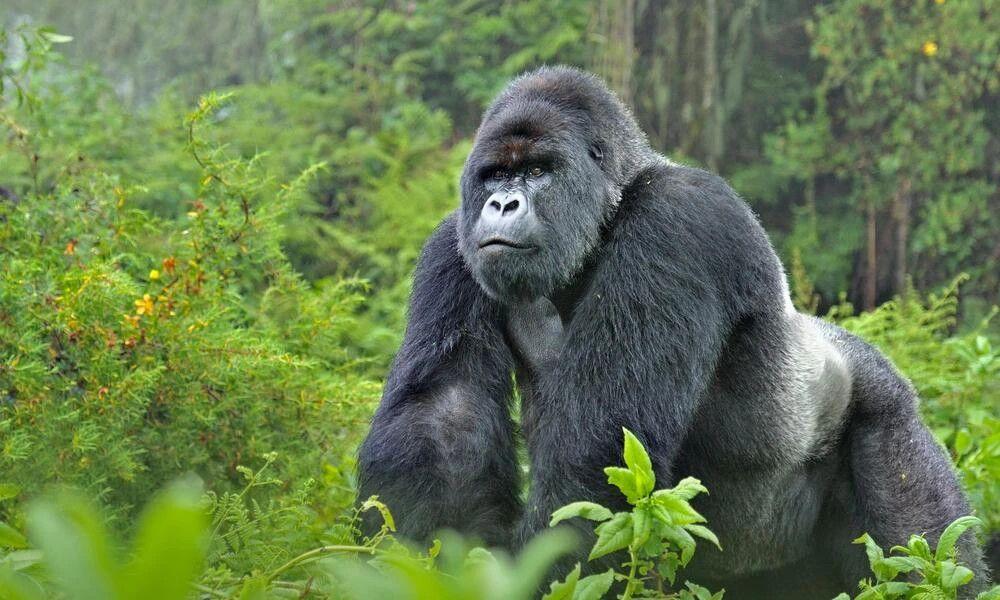
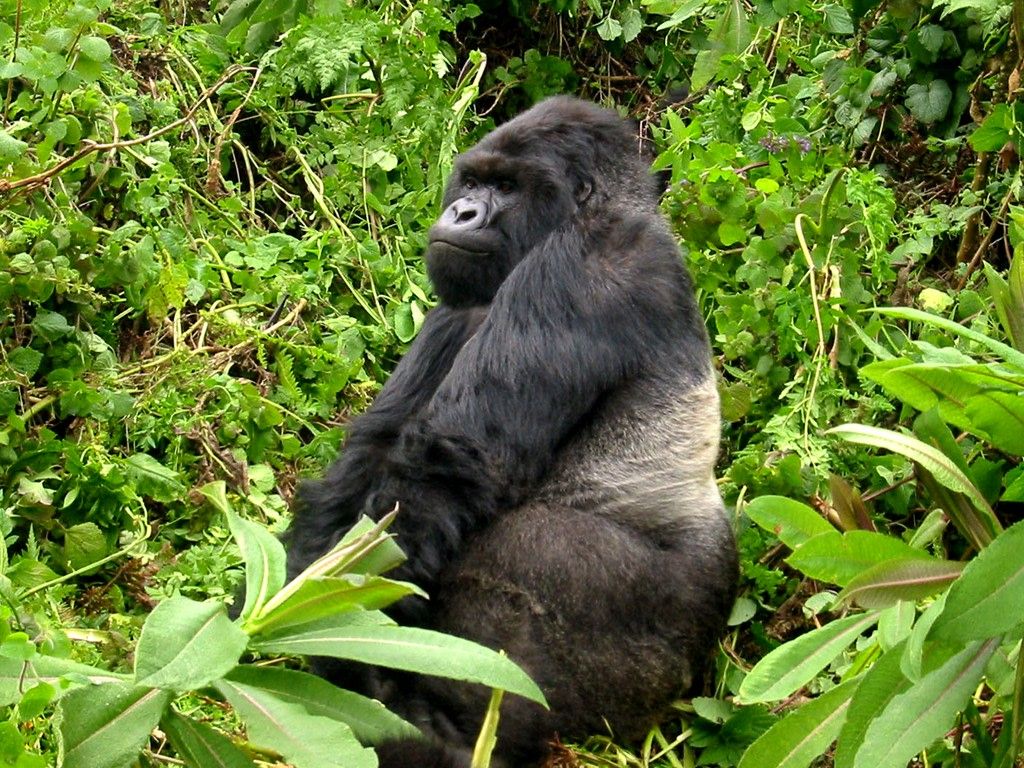
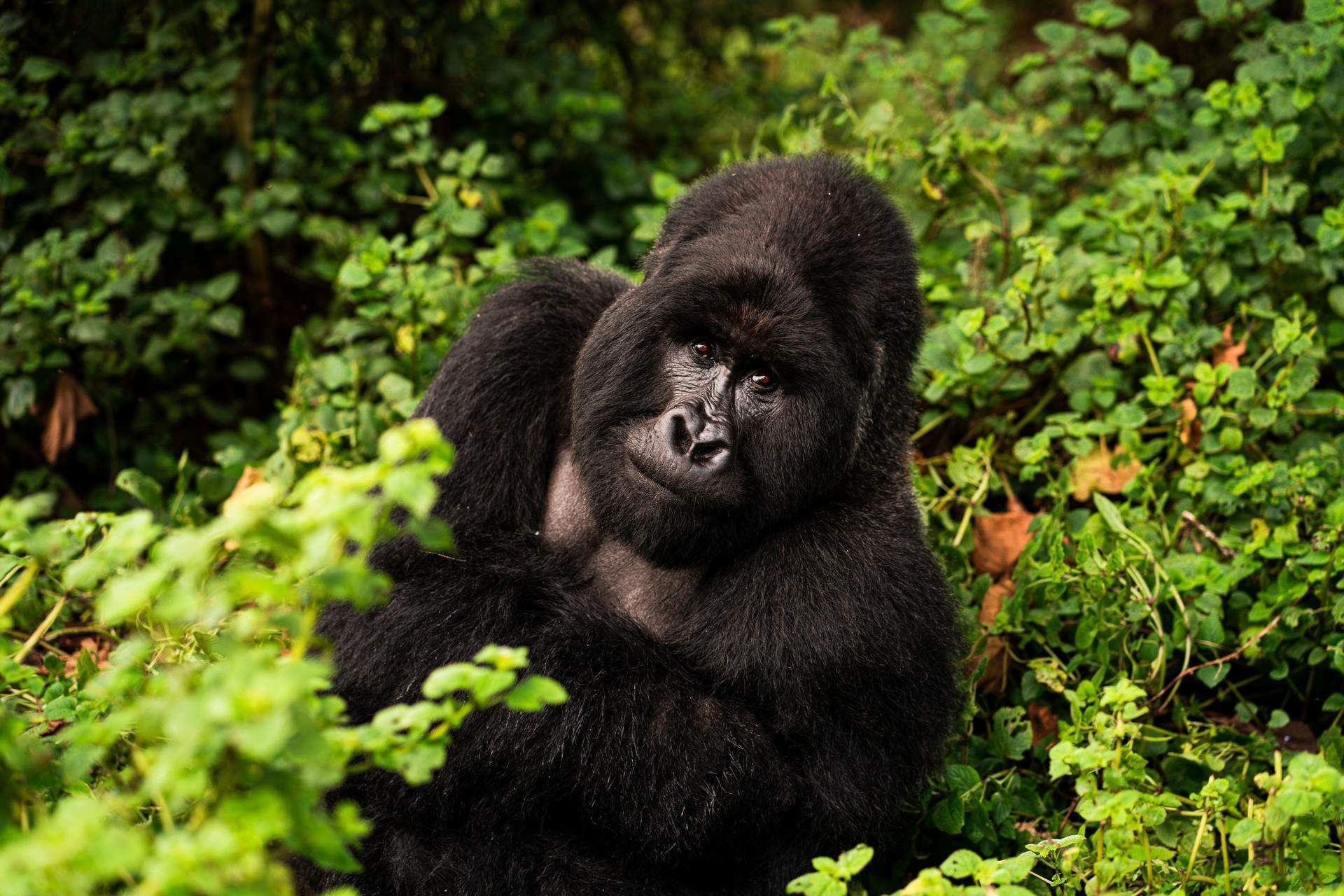
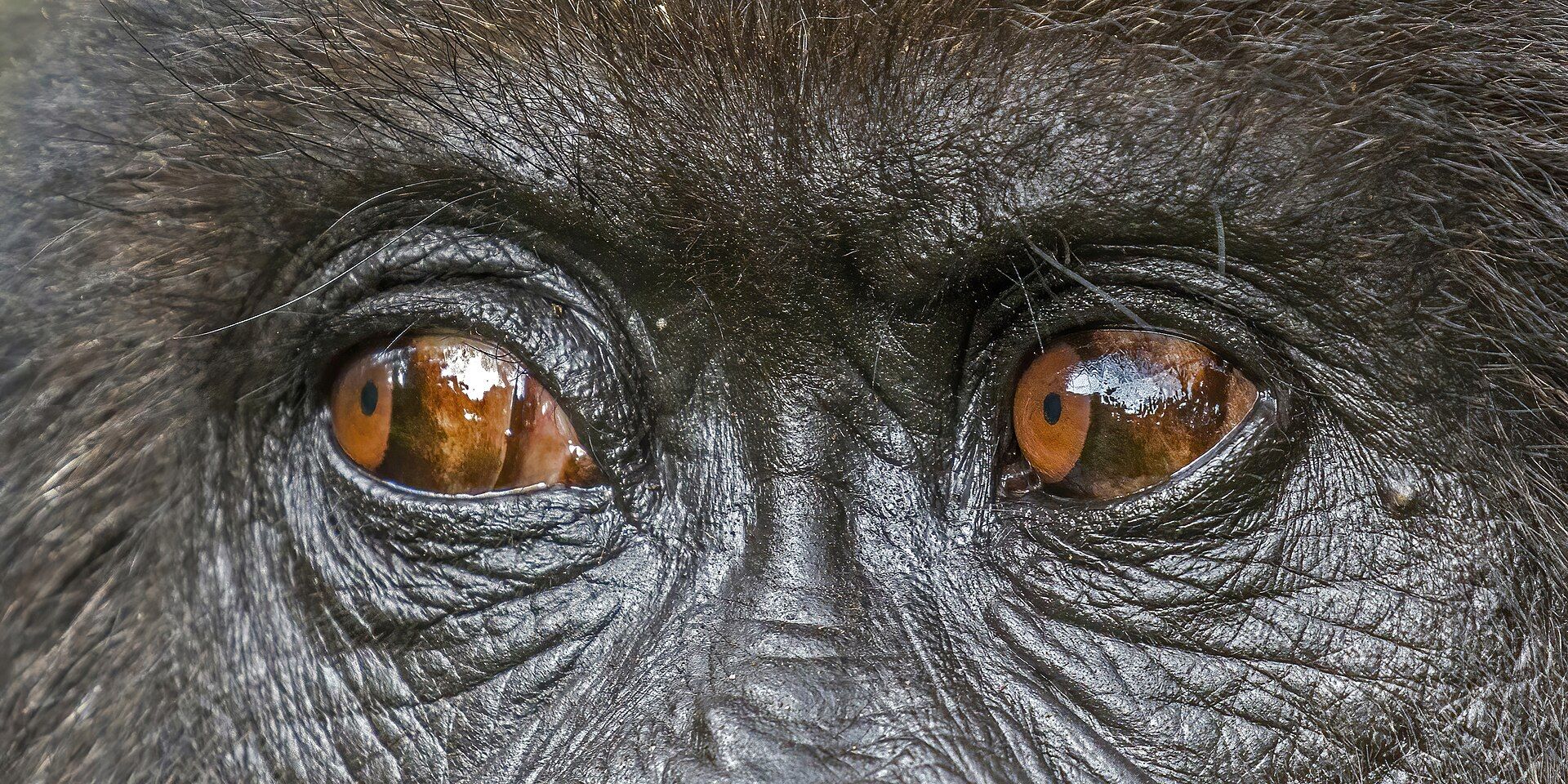
Gorilla trekking is a guided walk into the forest to spend one hour with a family of wild mountain gorillas that has been gradually habituated to people. Rwanda's gorillas live on the forested slopes of the Virunga volcanoes, which Rwanda shares with Uganda and the Democratic Republic of Congo. Only around 1,000 mountain gorillas survive in the wild, and the strict, low-volume model of trekking in Rwanda is a big reason their numbers have grown.
How much does a gorilla permit cost in Rwanda?
A gorilla trekking permit in Rwanda costs US$1,500 per person for foreign visitors. Permits are issued by the Rwanda Development Board (RDB) and are valid for one trek on one date. The fee funds park protection, ranger salaries and the communities around the park (a share of tourism revenue goes directly to local projects).
Permits sell out months ahead for June–September and the December holidays. We secure permits as soon as you confirm, and we include them in every gorilla tour price.
| Country | Park | Permit (foreign visitor) |
|---|---|---|
| Rwanda | Volcanoes National Park | US$1,500 |
| Uganda | Bwindi & Mgahinga | US$800 |
What does a gorilla trekking day look like?
- Early start (5:30–6:00 am). Breakfast at your lodge, then a short drive to the Kinigi park headquarters.
- Briefing (7:00 am). Coffee, a traditional dance welcome and a briefing on gorilla etiquette. Rangers assign you to one of the habituated families based on fitness and preference.
- Drive to the trailhead. Usually 10–45 minutes from Kinigi.
- The trek. You walk through farmland, then bamboo and montane forest. Trackers who left at dawn radio the gorillas' location to your guide. The walk can take 30 minutes or several hours each way.
- One hour with the gorillas. Bags and walking sticks stay with the porters; you approach with your camera. You'll watch silverbacks, mothers and infants feeding, grooming and playing, often at close range.
- Return and certificate. Walk back to the vehicle, then return to the lodge for lunch and a hot shower.
How fit do you need to be?
You need moderate fitness: trails can be steep, muddy and at altitudes of 2,500–3,000 m. That said, people of many ages and fitness levels trek every day. Tell us your preferences and our driver-guide will ask the rangers for a family that suits you. Hire a porter (around US$15–20): they carry your daypack, give you a hand on slippery sections, and it is a valued source of income for local families.
Gorilla trekking rules
- Minimum age is 15 years.
- Maximum eight visitors per gorilla family per day.
- Visits last exactly one hour.
- Keep at least 7 metres from the gorillas (they don't always respect this themselves; follow the ranger).
- No flash photography, no eating or drinking near the gorillas.
- Wear a face mask if asked. Do not trek if you are unwell, as gorillas catch human illnesses.
What to pack for gorilla trekking
- Waterproof hiking boots with good grip
- Gardening or leather gloves for nettles and vines
- Long trousers and long-sleeved shirt (tuck trousers into socks)
- Light rain jacket, even in the dry season
- Daypack with 2 litres of water and snacks
- Camera with a fast lens; no flash
- Insect repellent and sunscreen
See our full gorilla trekking packing list.
When is the best time to go gorilla trekking?
Gorillas can be visited every day of the year. The long dry season (June–September) and short dry season (December–February) offer firmer trails and are the most popular. The wet months (March–May, October–November) bring fewer visitors, lush scenery and sometimes better light for photography; you'll just need good rain gear. Read the best time for gorilla trekking.
Where to stay for gorilla trekking
Stay in Kinigi or Musanze the night before your trek so you can reach the 7:00 am briefing easily. Options range from simple guesthouses to some of Africa's most celebrated luxury lodges. See where to stay near Volcanoes National Park.
Rwanda or Uganda for gorillas?
Rwanda wins on access (2.5 hours from an international airport, excellent roads) and generally gentler trails; Uganda wins on permit price. Many travellers combine both. Read our Rwanda vs Uganda gorilla trekking comparison.
Frequently asked questions
How much does gorilla trekking cost in Rwanda?
The permit is US$1,500 per person. Our 1-day gorilla trek from Kigali, with permit, transport, guide and lunch, costs US$1,795 per person; a 3-day tour with lodge nights starts from about US$2,450, and luxury lodges take the total higher.
How far in advance should I book gorilla permits?
Book 4–6 months ahead for June–September and the Christmas holidays, and at least 4–8 weeks ahead at other times. Last-minute permits are sometimes available; message us on WhatsApp to check.
Can I see gorillas in one day from Kigali?
Yes. With a 4:00 am departure from Kigali you reach Volcanoes National Park for the 7:00 am briefing and return the same evening. See our 1-day gorilla trekking tour.
Is gorilla trekking safe?
Yes. Habituated gorillas are used to calm human visitors, and every group is led by experienced, armed rangers and trackers. Follow the ranger's instructions, keep your voice low and never stare down a silverback.
What happens if I am sick on trek day?
Rangers may refuse entry to visitors with visible symptoms of illness, to protect the gorillas. In that case speak to us immediately; RDB policy on refunds or rescheduling is case by case.