What Are Rwanda's Customs and Etiquette for Visitors?
Greet properly, dress well, do not photograph people without asking, and never use the words that divided this country.
 Eben Safari Tours Team3 min read
Rwandans are reserved, polite and quietly formal. A little care goes a long way.
Greetings matter enormously
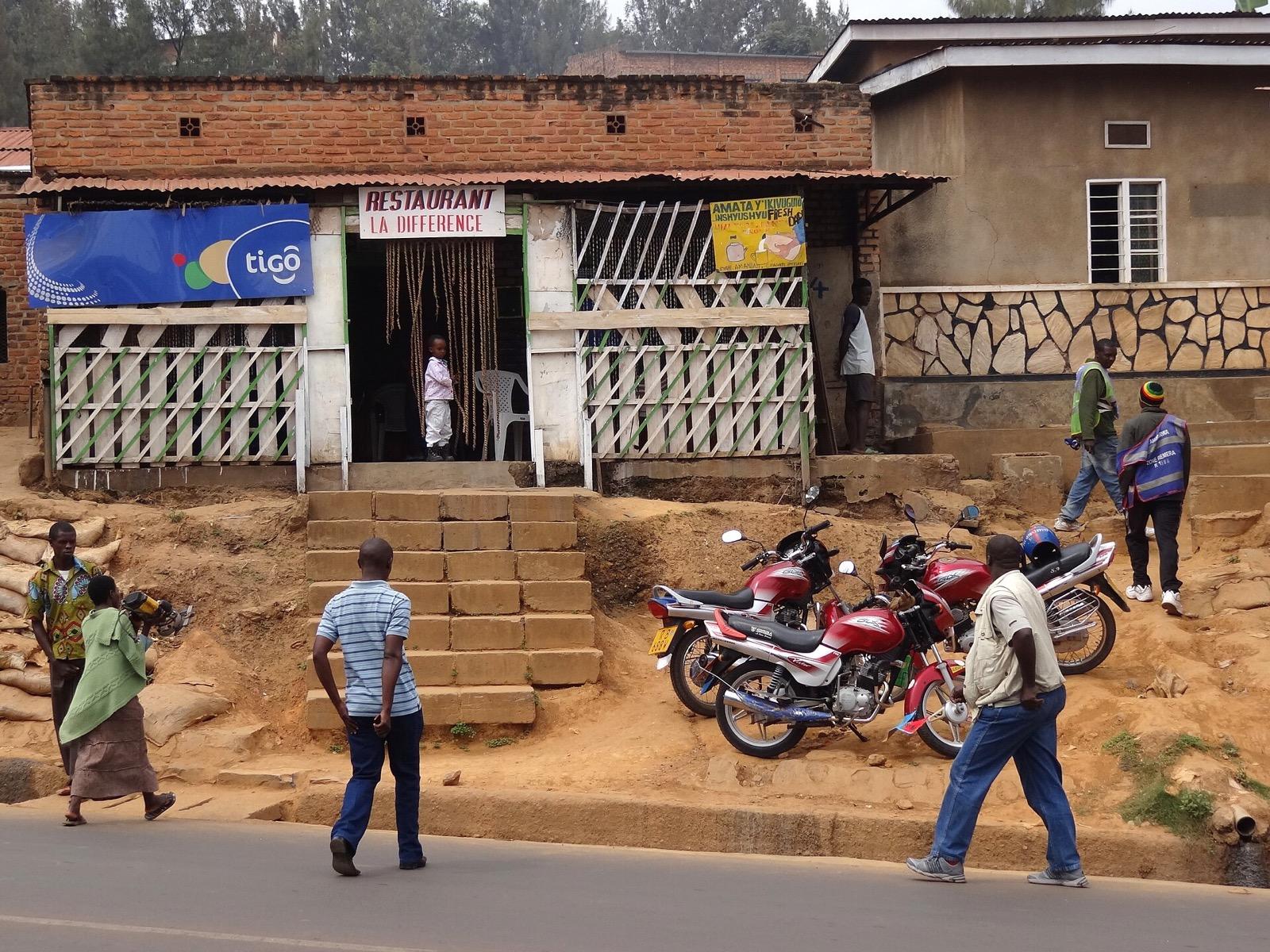
Do not open with a request. Greet first, always — in a shop, at a ticket window, with a moto driver.
Muraho — hello Mwaramutse — good morning Amakuru? — how are you? Ni meza — I'm fine Murakoze — thank you
Handshakes are normal, often light and lingering. Close friends greet with a shoulder-to-shoulder embrace, three times, alternating sides. Use your right hand, or both hands, to give and receive — passing with the left alone is impolite.
Elders are greeted first, and with more formality.
Dress
Rwandans dress very well. Visibly scruffy clothing is noticed in cities, offices, churches and memorials.
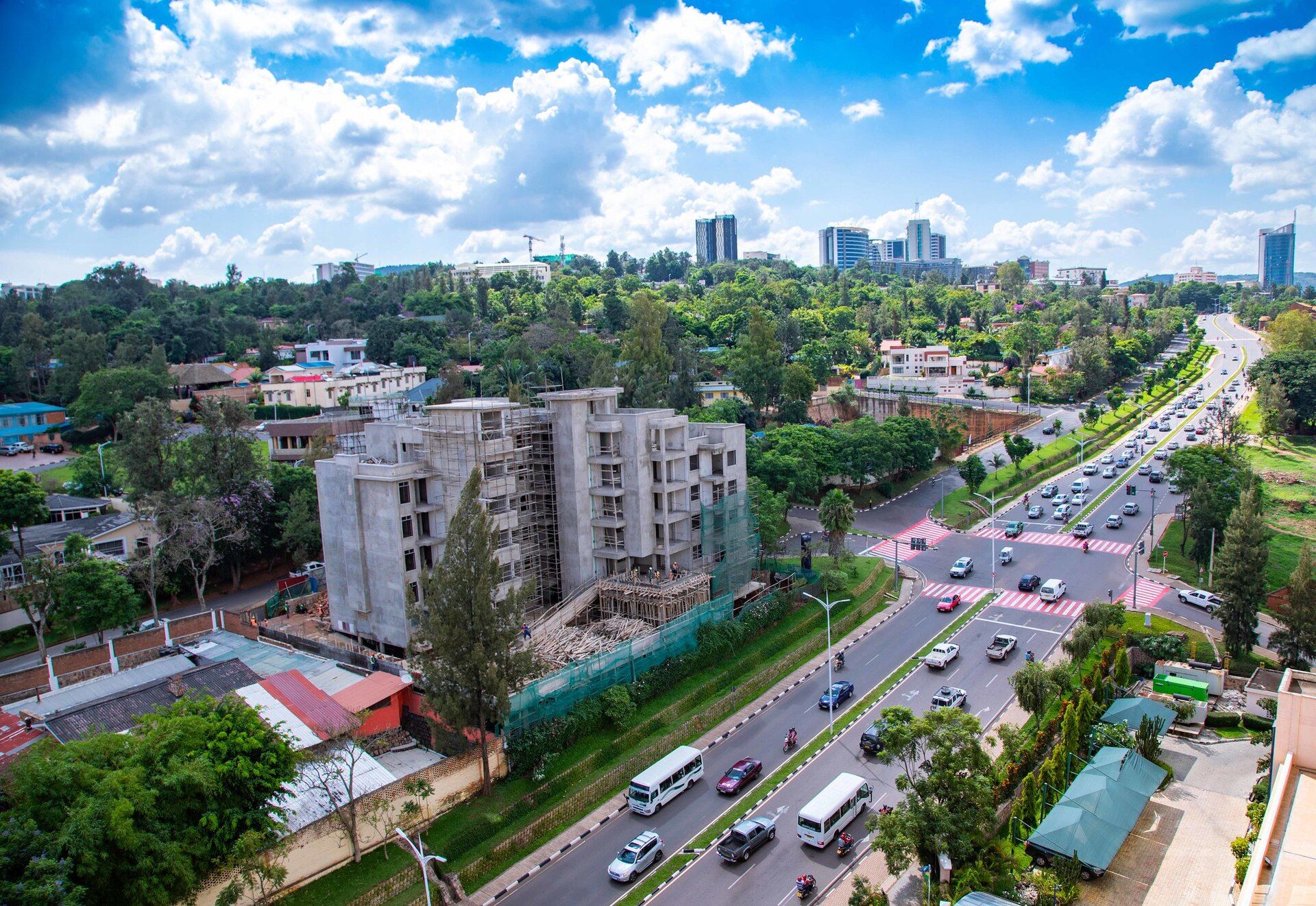
- Kigali: smart casual. Avoid short shorts and vests in the city.
- Rural areas and villages: cover shoulders and knees, particularly women.
- Churches and memorials: smart and modest, no bare shoulders.
- Safari and trekking: practical clothing is obviously fine in the park.
- Camouflage or military-pattern clothing is prohibited for civilians. Leave it at home.
Photography
- Always ask before photographing a person. A gesture at your camera and a smile is enough. Many will say yes warmly; some will decline, and that is their right.
- Never photograph government buildings, military installations, police, the airport or border posts. This is a real rule, enforced, and it can lead to your phone being examined.
- No drones without a permit from the Rwanda Civil Aviation Authority.
- At the genocide memorials, photography is prohibited inside the exhibition areas.
The genocide: how to talk about it
This matters more than anything else on this page.
- The correct terminology is "the 1994 genocide against the Tutsi". This is the official and legally established phrasing in Rwanda.
- Do not ask people whether they are Hutu or Tutsi. Ethnic identification was abolished after 1994; the national identity is Rwandan. The question is deeply offensive and, in some contexts, legally problematic.
- Do not ask individuals about their personal experience unless they raise it. Many will speak openly; let them lead.
- Kwibuka, the hundred-day commemoration period, begins on 7 April. The first week is especially solemn: music is subdued, some entertainment venues close, and the national mood is heavy. Be respectful and quiet.
- The Kigali Genocide Memorial is a burial site for more than 250,000 people. Dress appropriately, speak quietly, and do not take photographs inside. Our guide to visiting.
Plastic bags
Banned since 2008. They are confiscated at the airport. Do not bring any — use fabric, mesh or dry bags.
Umuganda
The last Saturday of every month, 08:00–11:00, is national community work. Citizens clean streets, build, plant and repair. Shops close, traffic is restricted and movement is limited in some areas.
Visitors are not required to take part, but you may be invited — and joining in is genuinely well received. Plan your travel around it: do not schedule a drive to Musanze for that morning.
General etiquette
- Public displays of affection are not customary. Hand-holding between friends of the same sex is normal and carries no romantic meaning.
- Homosexuality is not criminalised in Rwanda, unlike several neighbours, but it is not openly discussed and public discretion is advised.
- Pointing with a finger is impolite; gesture with an open hand.
- Do not raise your voice. Loudness reads as aggression. Rwandans resolve things quietly.
- Punctuality is valued in business, more flexible socially.
- Do not give money or sweets to children. It encourages begging and absenteeism from school. Support a co-operative, school or community project instead.
- Smoking is prohibited in public places.
- Haggling is expected in markets, gently and good-humouredly, but not in shops with fixed prices.
- Left-hand use for eating or passing is avoided.
In homes
If invited to a Rwandan home — a real honour:
- Bring a small gift: fruit, sugar, tea or something from your country.
- Remove shoes if your host does.
- Accept food and drink; refusing outright is rude.
- You may be offered urwagwa (banana beer) or ikivuguto (fermented milk). Try at least a sip.
- Wash your hands before eating; a basin is usually brought round.
And generally
Rwandans are warm but undemonstrative. Courtesy, modesty and quietness are read as respect. Learn five words of Kinyarwanda, greet everyone, ask before you photograph, and you will be met with enormous kindness.
Frequently asked questions
What should you not do in Rwanda?
Do not bring plastic bags, photograph government or military sites, ask people whether they are Hutu or Tutsi, wear camouflage clothing, or give money to children.
How should you dress in Rwanda?
Smart and modest. Rwandans dress very well and scruffy clothing is noticed. Cover shoulders and knees in rural areas, churches and memorials; smart casual is right for Kigali.
What is Umuganda in Rwanda?
National community work on the last Saturday morning of every month, from 08:00 to 11:00. Shops close and movement is restricted, so plan travel around it.

Written by the Eben Safari Tours team
We are a Kigali-based tour operator, guiding travellers through Rwanda, Uganda, Kenya and Tanzania since 2015. Our guides trek with the gorillas, drive Akagera and climb the volcanoes every week, and we update these guides whenever rules or prices change.