Is Tap Water Safe to Drink in Rwanda?
No — stick to bottled or filtered. It is cheap, available everywhere, and a filter bottle solves the plastic problem.
 Eben Safari Tours Team3 min read
The straight answer
Do not drink the tap water. Not because Rwanda's water system is bad — Kigali's treatment is reasonable by regional standards — but because:
- Distribution pipes and rooftop storage tanks vary in condition
- Supply interruptions can allow contamination
- Your gut is not adapted to the local microbial profile
- Rural supplies are far less reliable than Kigali's
Getting sick on a trip built around a US$1,500 gorilla permit is an expensive way to find out.
What to drink instead
| Option | Cost | Notes |
|---|---|---|
| Bottled water | RWF 500–1,000 / 1.5 l | Available everywhere |
| Filter bottle (LifeStraw, Grayl, Water-to-Go) | One-off purchase | Best option — no plastic |
| Purification tablets | Cheap | Backup; tastes of chlorine |
| Boiled water | Free | Most lodges provide flasks |
| Lodge filtered water | Often free | Many lodges now refill bottles |
The filter bottle is what we recommend. Rwanda banned plastic bags in 2008 and takes waste seriously; it feels wrong to generate a dozen plastic bottles a day in a country that clean. Many lodges now have refill stations specifically for this.
Ice, salads and street food
- Ice in reputable hotels, lodges and restaurants in Kigali is generally made with treated or bottled water and is fine. Be more cautious at roadside stalls.
- Salads and raw vegetables at good restaurants and lodges are washed in treated water and are generally fine. Be selective at buffets that have been standing.
- Fruit you peel yourself is always safe.
- Street food — brochettes, grilled maize, sambusas — is cooked to order and usually fine. Rwandan street food is cleaner than in many neighbouring countries.
- Freshly squeezed juice is lovely; ask whether water was added.
On trek and on the road
Carry 2 litres on a gorilla trek. Your guide will usually provide bottled water in the vehicle; confirm when booking, as it should be included.
For a long day in Akagera or Nyungwe, carry more than you think. Altitude and sun dehydrate you faster than you notice.
If you do get an upset stomach
Common, usually mild, usually 24–48 hours.
- Rehydration salts — pack them, and use them early
- Loperamide for symptom control if you have to travel
- Rest and bland food
- See a doctor if you have fever, blood in your stool, or symptoms lasting more than three days
Pharmacies in Kigali and Musanze are well stocked. King Faisal Hospital in Kigali is the best medical facility in the region.
Important: if you are unwell, you cannot trek with the gorillas. Declare it at the briefing. See gorilla trekking rules.
Can you brush your teeth with tap water?
Most travellers do, without incident. If you are cautious or have a sensitive stomach, use bottled.
Swimming water
Lake Kivu is safe to swim in — no bilharzia, no crocodiles, no hippos. This is genuinely unusual for an African lake.
Do not swim in Lake Ihema (Akagera), Lake Muhazi or still freshwater elsewhere — crocodiles, hippos and bilharzia risk.
Rwanda's water in context
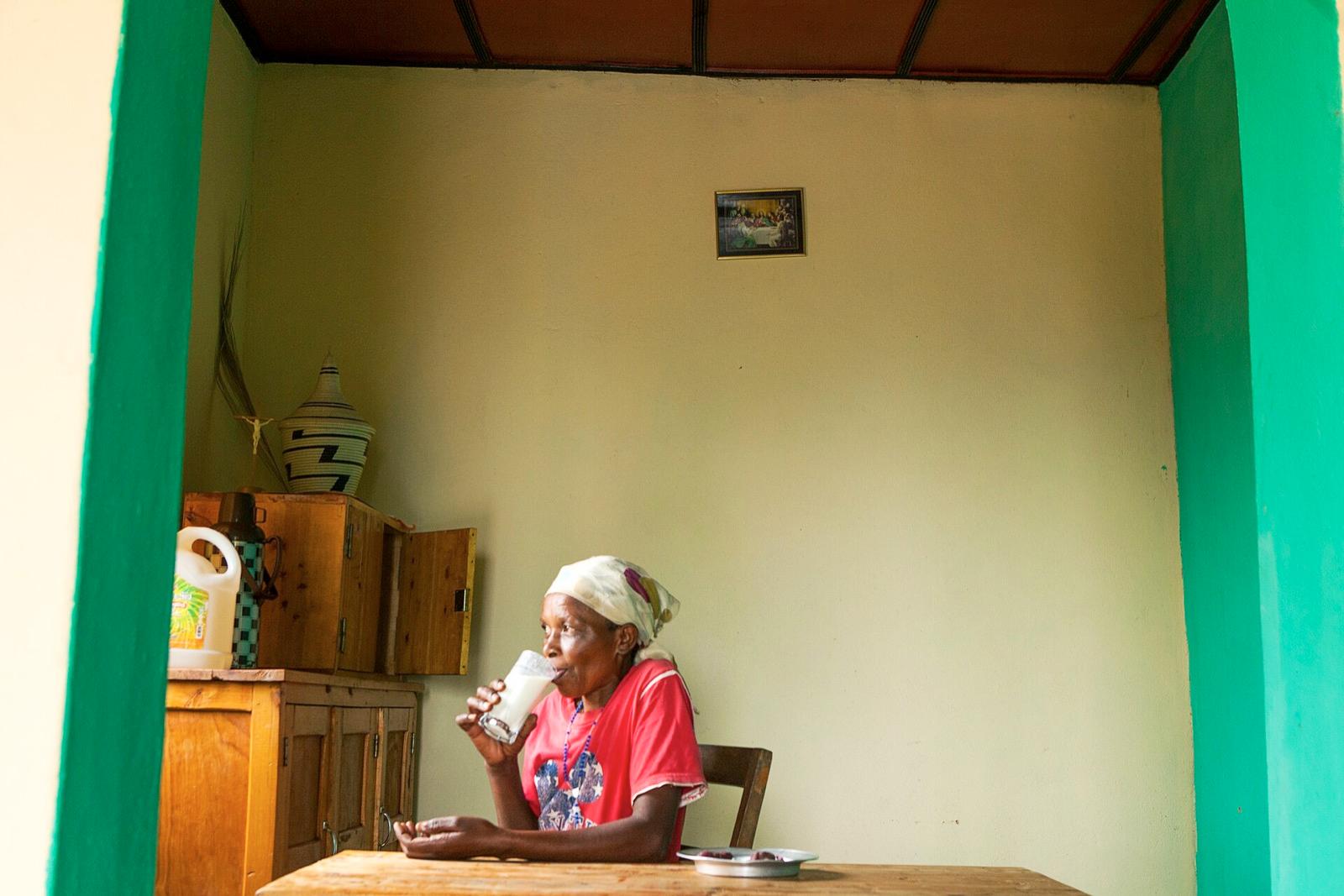
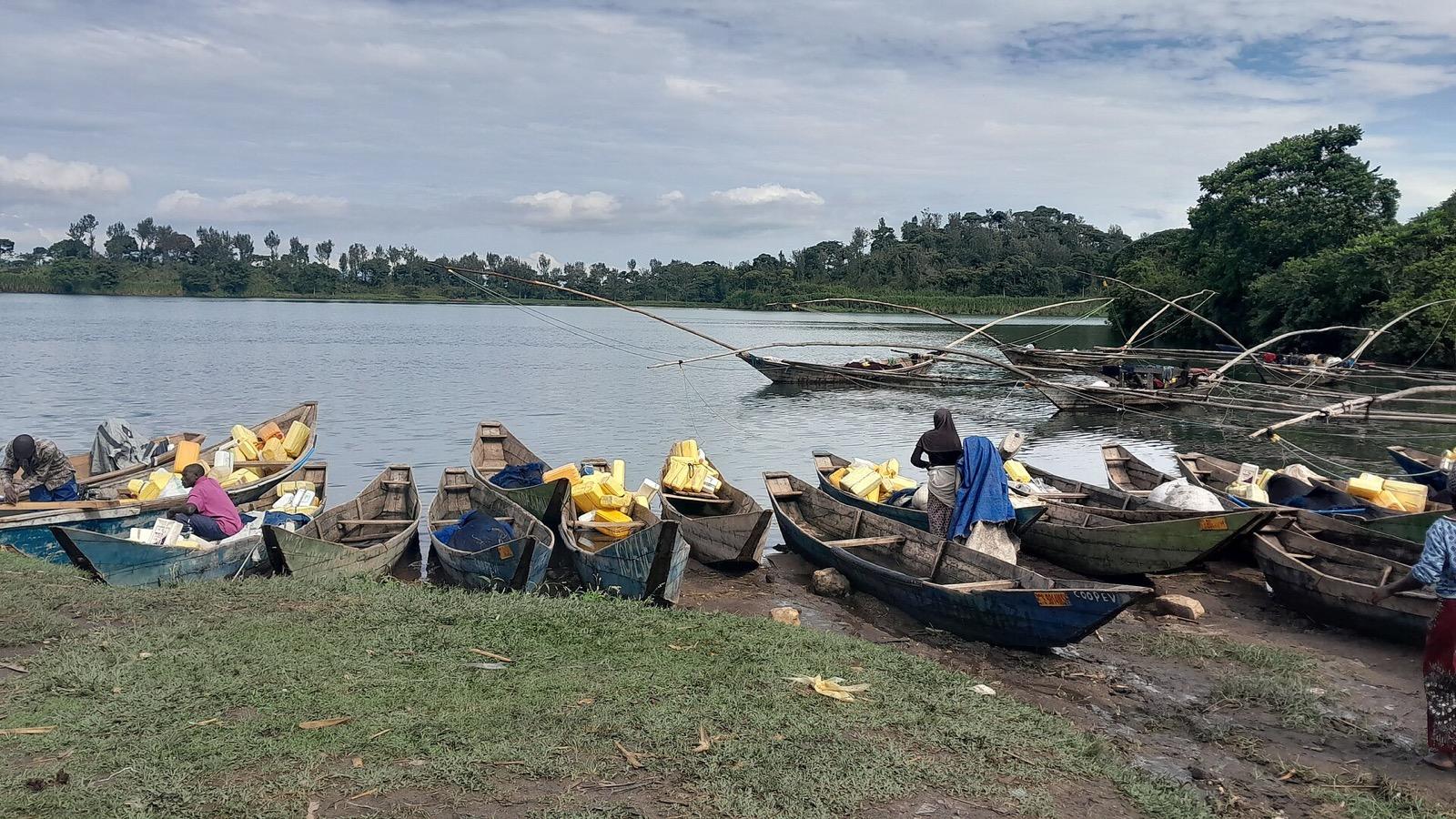
Rwanda has made substantial progress on water access, with the majority of the population now within reach of an improved water source. In rural areas, many households still collect from standpipes and springs, and children carrying yellow jerrycans is a familiar sight on roadsides.
If you want to do something useful, several Rwandan organisations fund village water points, and some lodges run water projects in their immediate communities. Ask.
See also health precautions for Rwanda.
Ask us what is included on your trip — bottled water in the vehicle is standard on ours.
Frequently asked questions
Can you drink tap water in Rwanda?
No. Use bottled water, which costs RWF 500–1,000 for 1.5 litres and is available everywhere, or carry a filter bottle. Kigali's water is treated but distribution and storage vary.
Is ice safe in Rwanda?
Generally yes in reputable hotels, lodges and restaurants in Kigali, where it is made with treated or bottled water. Be more cautious at roadside stalls.
Is it safe to swim in Rwanda's lakes?
Lake Kivu is safe — no bilharzia, crocodiles or hippos. Do not swim in Lake Ihema in Akagera, Lake Muhazi or other still freshwater.

Written by the Eben Safari Tours team
We are a Kigali-based tour operator, guiding travellers through Rwanda, Uganda, Kenya and Tanzania since 2015. Our guides trek with the gorillas, drive Akagera and climb the volcanoes every week, and we update these guides whenever rules or prices change.