What Health Precautions Should You Take Before Visiting Rwanda?
Yellow fever if you transit an endemic country, malaria pills for the lowlands, and a filter bottle. The rest is straightforward.
 Eben Safari Tours Team3 min read
This is general information, not medical advice. See a travel clinic or your doctor 6–8 weeks before you fly — some vaccinations need a course.
Vaccinations
| Vaccine | Status for Rwanda |
|---|---|
| Yellow fever | Required if arriving from or transiting a country with transmission risk. Not required direct from USA, UK or most of Europe — but check your connection |
| Routine (MMR, DTP, polio, varicella) | Should be up to date |
| Hepatitis A | Commonly recommended |
| Typhoid | Commonly recommended |
| Hepatitis B | Recommended for longer stays or medical exposure |
| Rabies | Consider for long stays, rural work or caving |
| Meningitis ACWY | Sometimes recommended |
| COVID-19 | Up to date; also relevant because you cannot trek while ill |
The yellow fever trap: many travellers connect through Addis Ababa, Nairobi or Entebbe. Transit through a yellow-fever country can trigger the certificate requirement. Check your specific routing well in advance.
Malaria
Risk in Rwanda varies sharply with altitude.
| Area | Altitude | Risk |
|---|---|---|
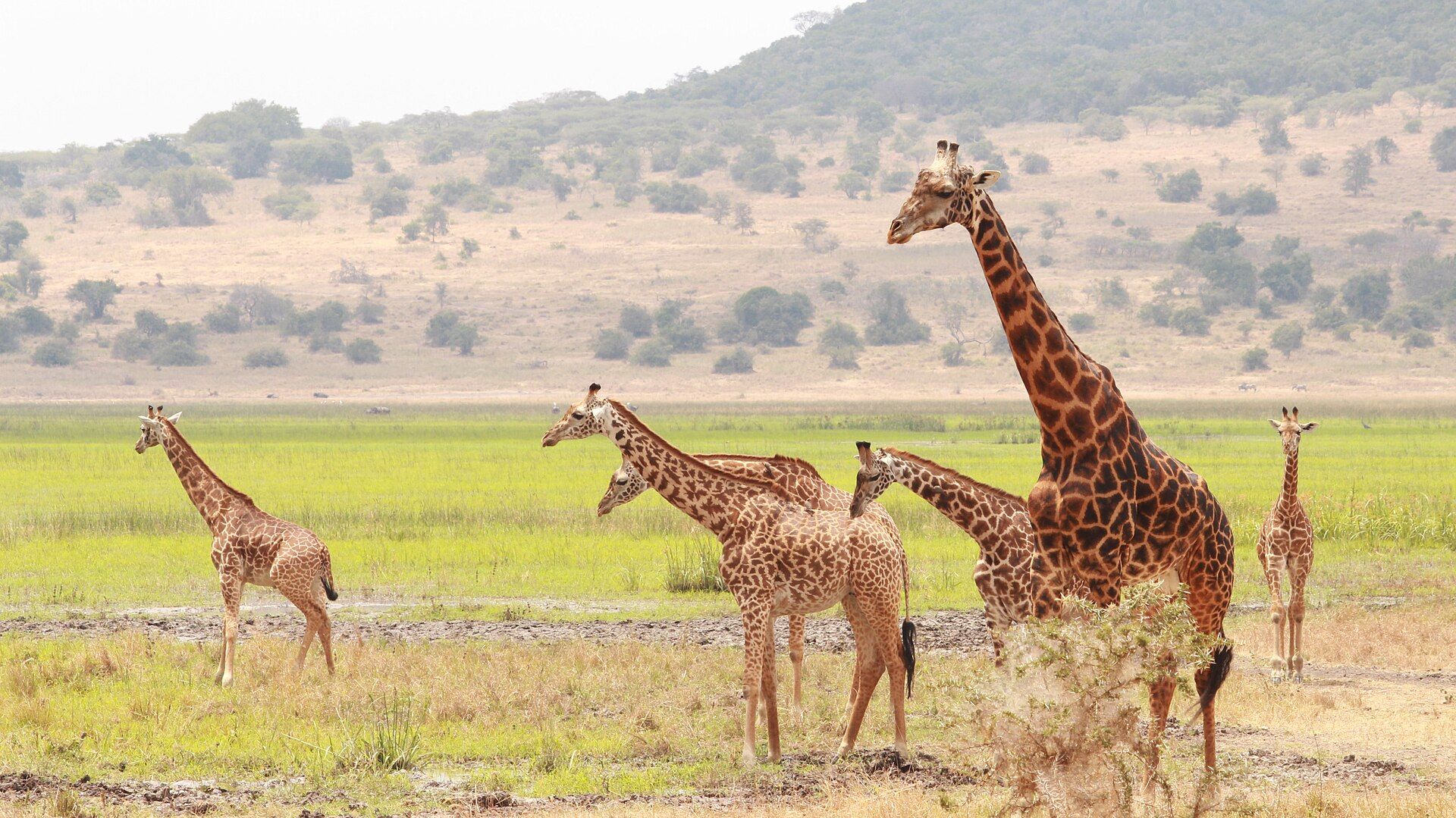
| Akagera National Park | 1,300 m | Moderate |
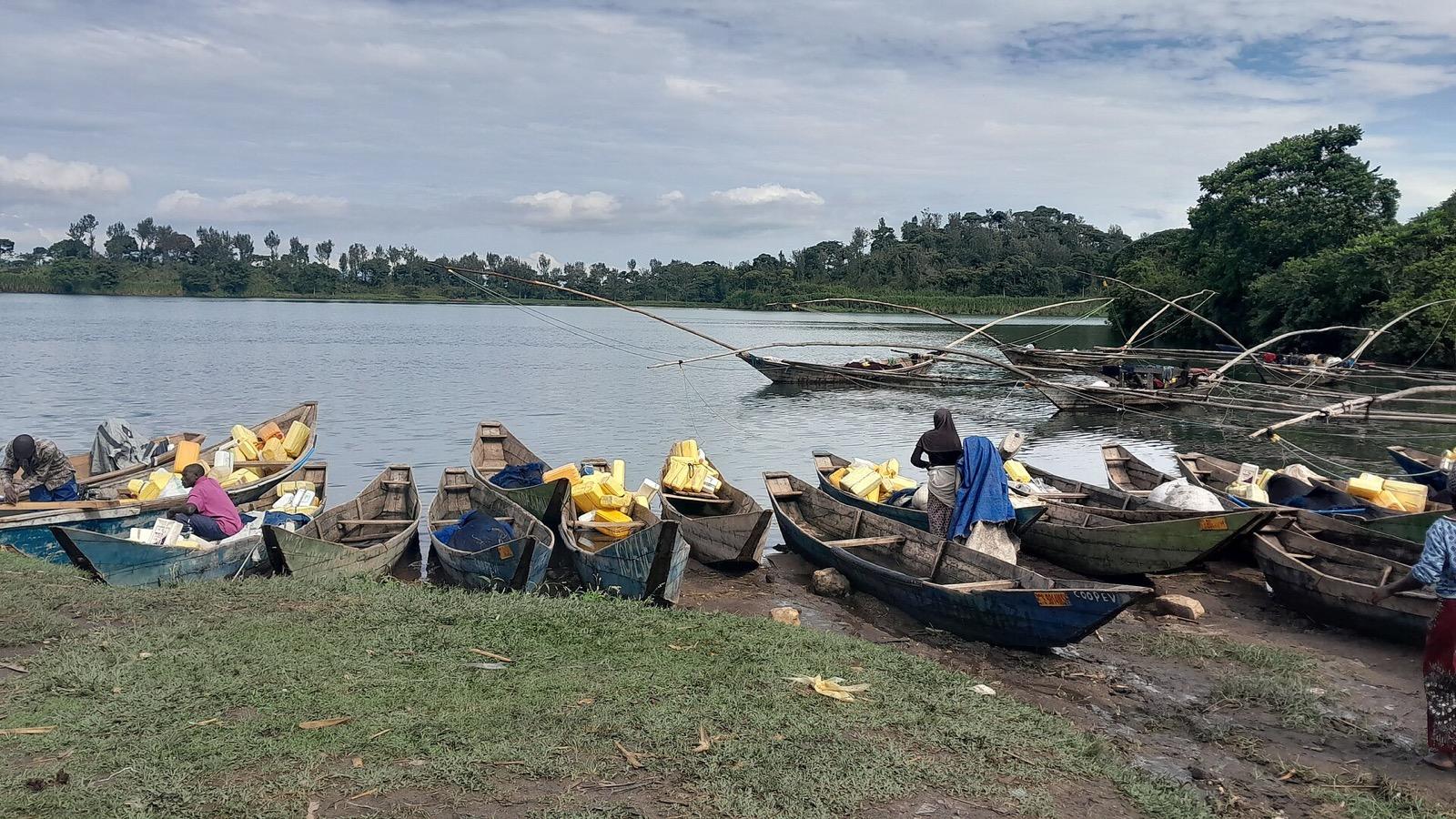
| Lake Kivu shore | 1,460 m | Low–moderate |
| Kigali | 1,567 m | Low |
| Nyungwe | 1,600–2,500 m | Low |
| Musanze / Kinigi | 1,850–2,300 m | Low |
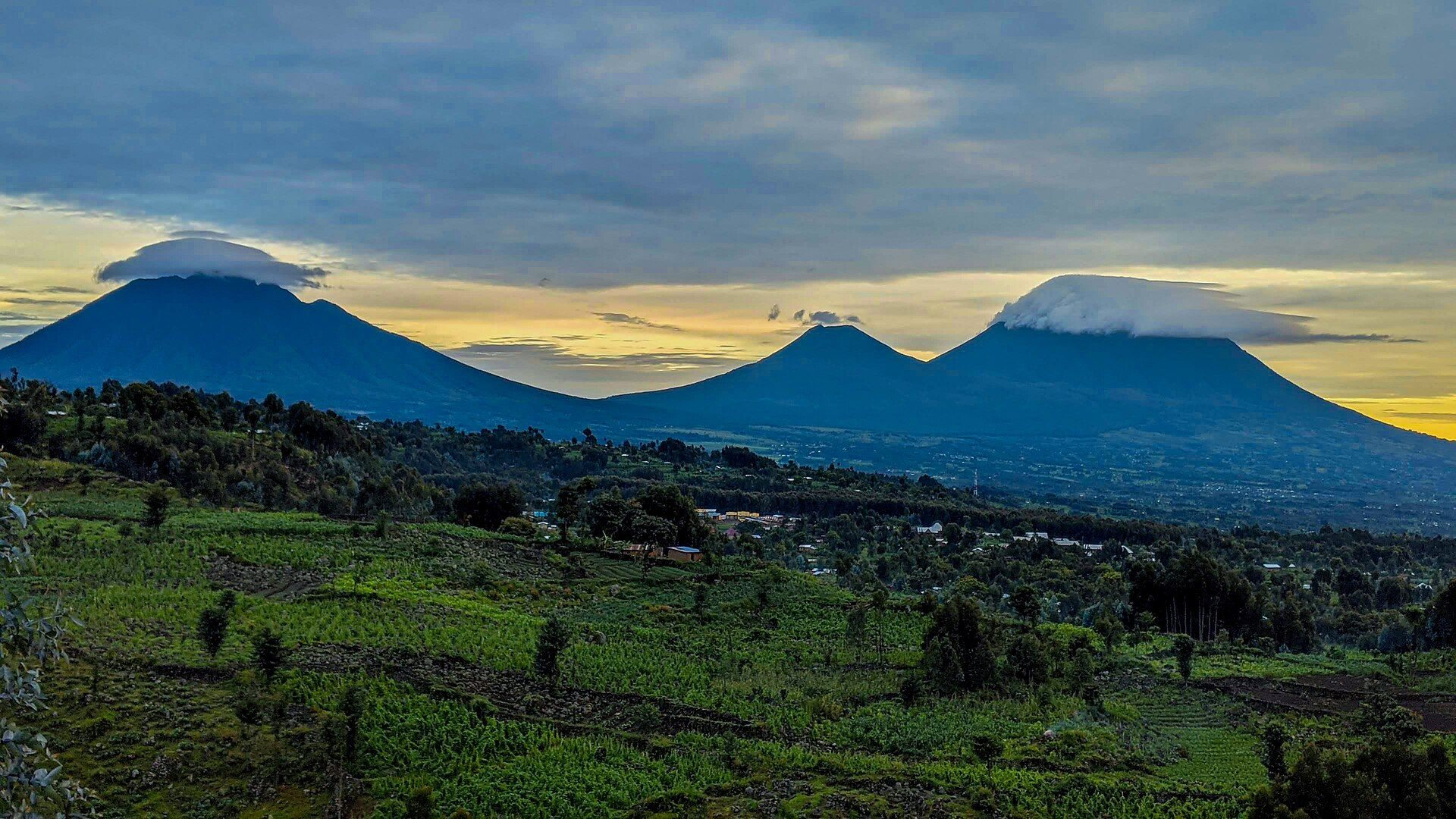
| Volcanoes NP (trekking) | 2,400–3,000 m | Very low |
Most travel clinics recommend prophylaxis for any Rwanda itinerary, because almost every trip includes time in Kigali and often Akagera. Common options are atovaquone-proguanil (Malarone), doxycycline and mefloquine — your doctor will advise.
Bite avoidance matters as much as the pills: DEET repellent, long sleeves and trousers at dusk, and a mosquito net where provided. Most lodges have nets or screened rooms.
Water and food
Do not drink the tap water. Bottled water is cheap and available everywhere; a filter bottle or purification tablets are more sustainable. Ice in reputable hotels and restaurants is generally made with treated water, but be cautious at roadside stalls.
Food in Rwanda is generally safe. Standard precautions: eat hot, freshly cooked food, peel fruit yourself, and be selective with buffets that have been standing. Rwandan street food — brochettes, grilled maize, sambusas — is usually cooked to order and fine.
See is tap water safe to drink in Rwanda.
Altitude
Kigali is at 1,567 m, treks reach 3,000 m, Mount Bisoke 3,711 m and Karisimbi 4,507 m. Mild breathlessness is normal; serious altitude sickness is uncommon below 3,000 m but possible on Karisimbi.
Precautions: arrive a day early, hydrate, go easy on alcohol the first night, and ascend slowly. If climbing Karisimbi, know the symptoms of AMS.
The gorilla-specific rule
You cannot trek with a contagious illness. Gorillas share about 98% of human DNA and are acutely vulnerable to our respiratory viruses. Declare any illness at the briefing — rangers can and do refuse entry, and a doctor's note may allow a reschedule.
Other things worth knowing
- Bilharzia (schistosomiasis): Lake Kivu is free of bilharzia — one of very few African lakes where swimming is safe. Avoid still freshwater elsewhere.
- Sun: equatorial UV at 2,500 m is fierce even when it feels cool. High-factor sunscreen daily.
- Tsetse flies in Akagera can bite; wear light-coloured clothing (not blue or black, which attract them).
- Rabies: avoid stray dogs and monkeys. Do not feed or touch wildlife.
- HIV prevalence in Rwanda is around 2–3%; standard precautions apply.
Medical facilities
Kigali has good medical care by regional standards:
- King Faisal Hospital — the best in Rwanda and one of the best in the region
- Legacy Clinics, Baho International Hospital — good private options
- Musanze District Hospital — 30 minutes from Volcanoes National Park, adequate for stabilisation
For anything serious, evacuation is to Kigali or Nairobi. This is expensive, which is why travel insurance with medical evacuation cover is essential.
Pharmacies in Kigali and Musanze are well stocked. Bring prescription medication in original packaging with a copy of the prescription.
Travel first aid kit
Rehydration salts, ibuprofen or paracetamol, antihistamine, antiseptic cream, blister plasters, loperamide, antibacterial gel, insect repellent, sunscreen, any personal medication, and a course of antibiotics if your doctor advises.
Frequently asked questions
Do I need vaccinations for Rwanda?
Yellow fever is required only if arriving from or transiting a country with transmission risk. Hepatitis A and typhoid are commonly recommended, alongside up-to-date routine vaccinations.
Is there malaria in Rwanda?
Yes, mainly at lower altitudes such as Akagera National Park and Lake Kivu. Volcanoes National Park at 2,400 m is very low risk, but most travel clinics advise prophylaxis for any Rwanda itinerary.
Can you swim in Lake Kivu?
Yes. Lake Kivu is free of bilharzia, crocodiles and hippos, making it one of very few African lakes where swimming is genuinely safe.

Written by the Eben Safari Tours team
We are a Kigali-based tour operator, guiding travellers through Rwanda, Uganda, Kenya and Tanzania since 2015. Our guides trek with the gorillas, drive Akagera and climb the volcanoes every week, and we update these guides whenever rules or prices change.