Do You Need Travel Insurance for Gorilla Trekking?
Yes — and the standard policy you already have probably excludes the one thing that matters.
 Eben Safari Tours Team3 min read
Rwanda does not require travel insurance to enter, and nobody checks it at the park gate. That is not the point.
The four things your policy must cover
1. Trekking to altitude
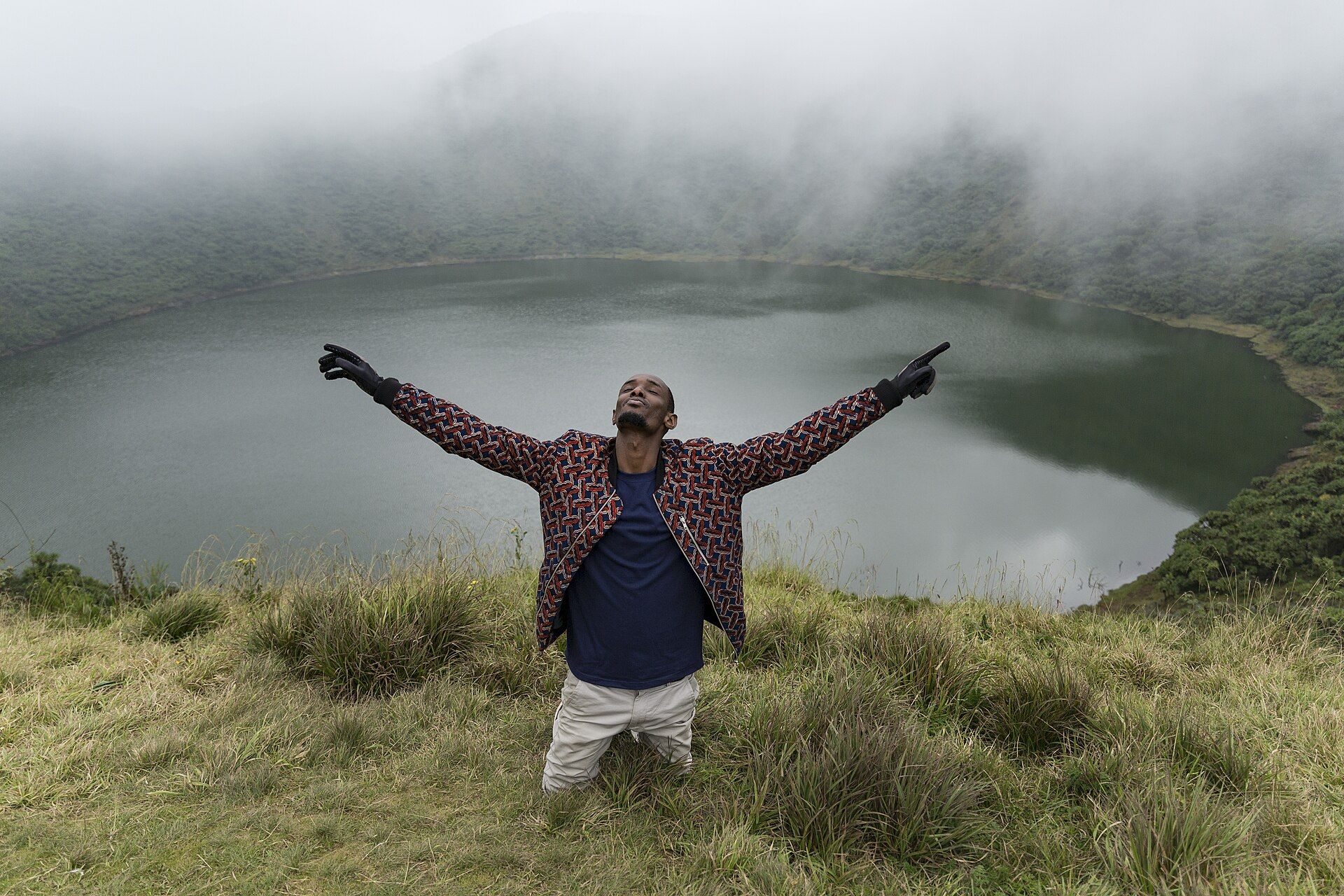
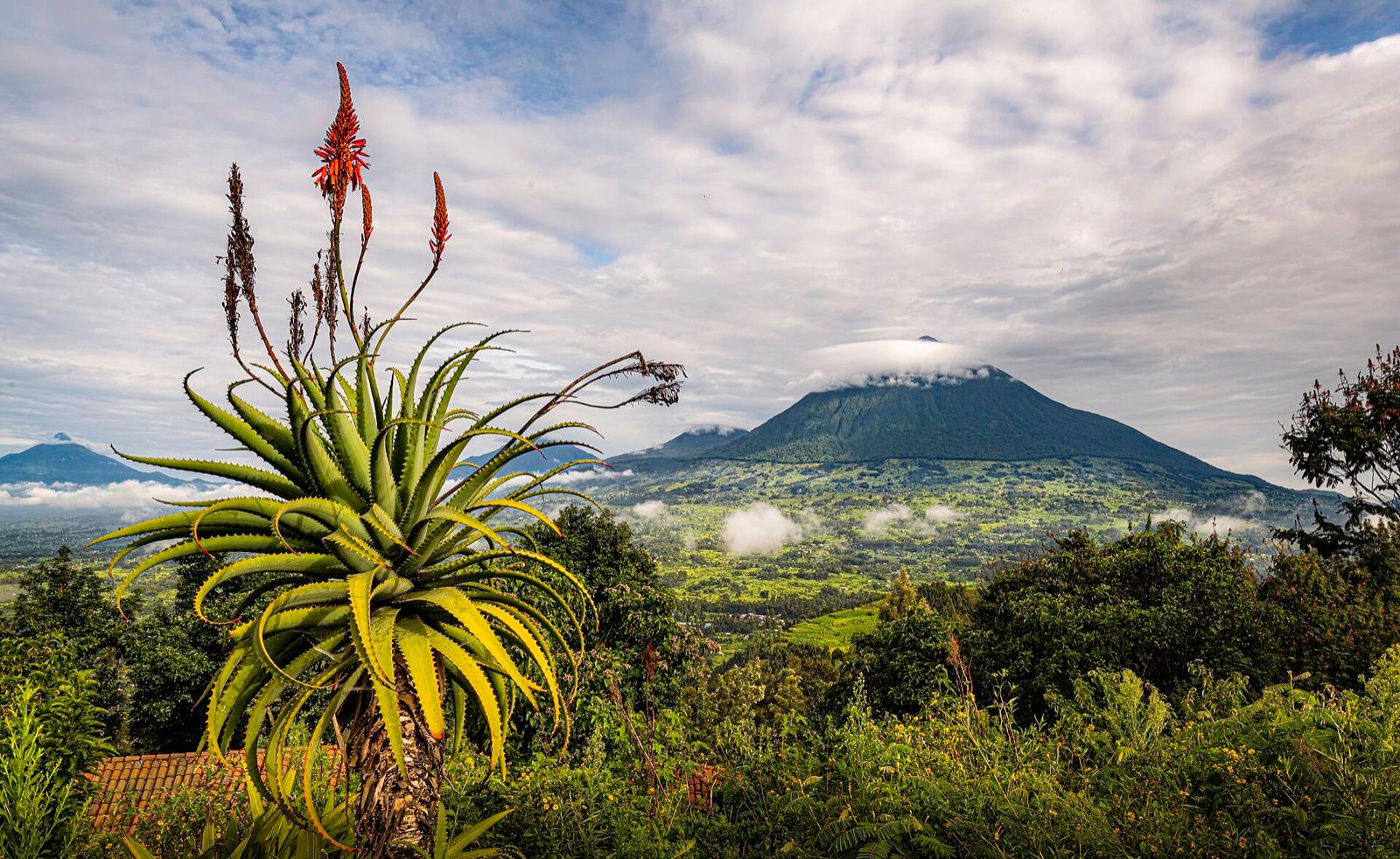
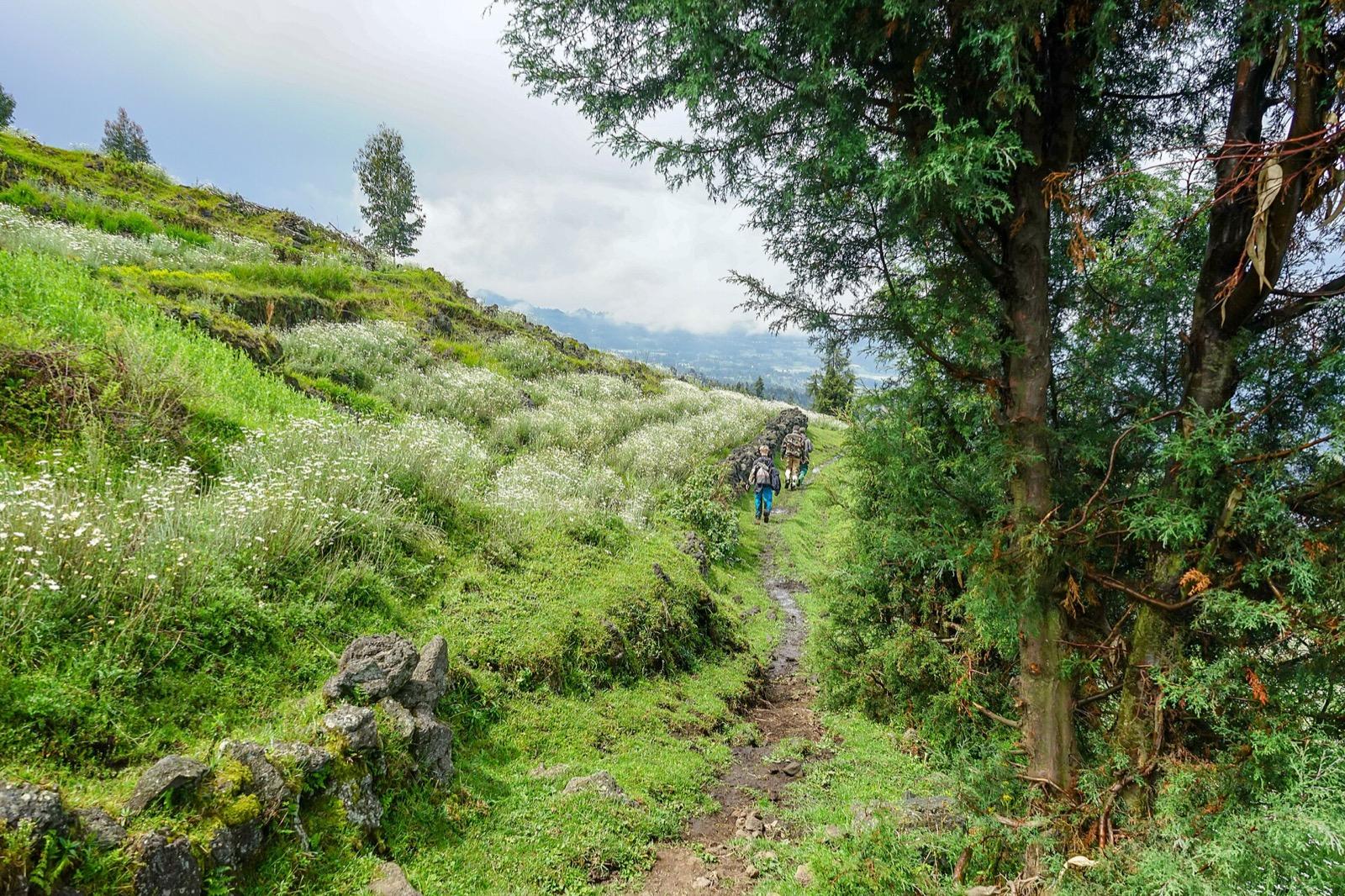
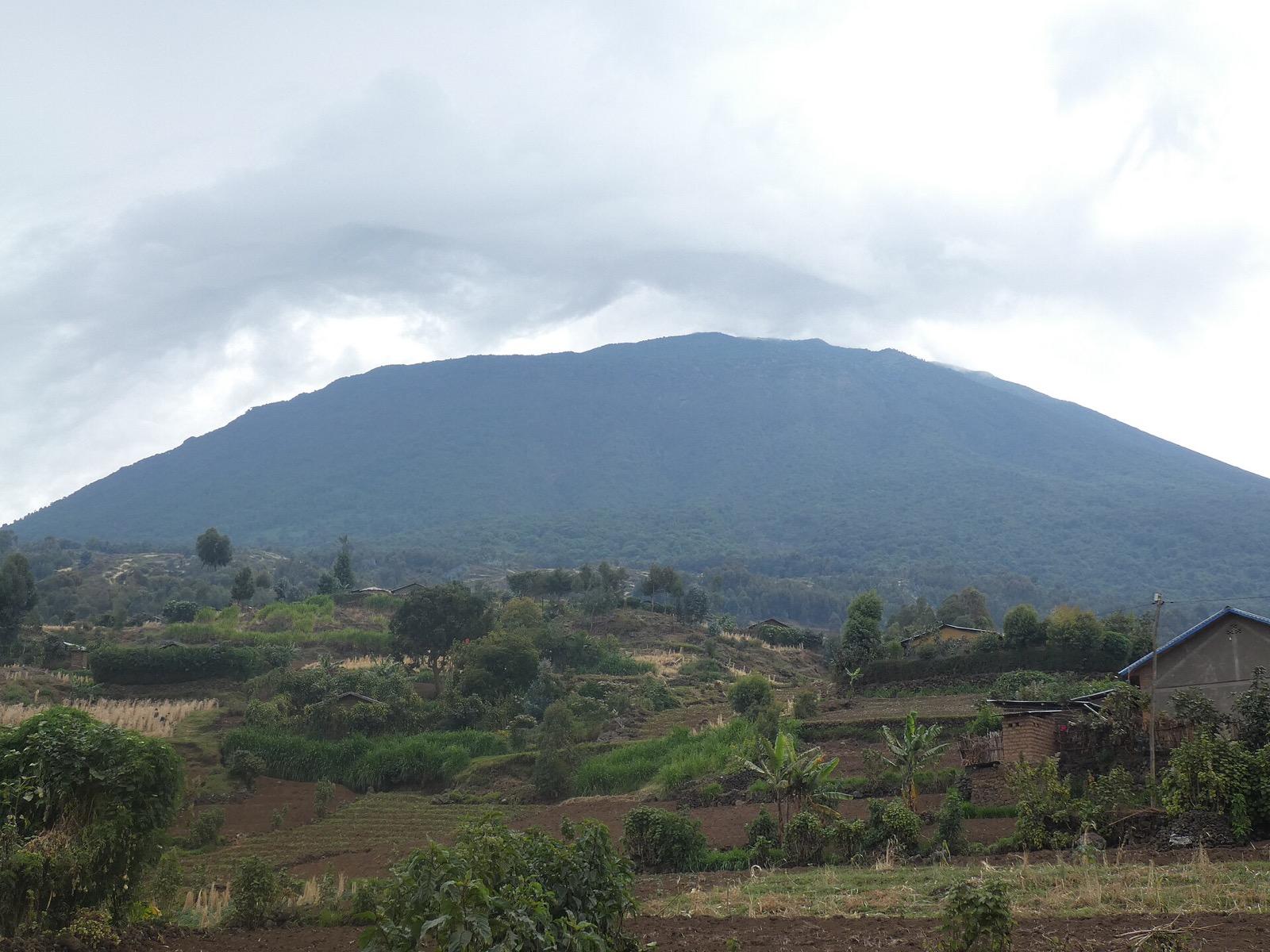
Gorilla treks reach 2,400–3,000 metres, and Mount Bisoke tops out at 3,711 m, Karisimbi at 4,507 m. A surprising number of standard travel policies exclude hiking above 2,500 m, or classify it as an "adventure activity" requiring an add-on.
Check the exact wording. If you plan to climb Bisoke or Karisimbi, you need cover well above 4,000 m.
2. Medical evacuation
This is the expensive one. Serious injury in Volcanoes National Park means a road or helicopter evacuation to King Faisal Hospital in Kigali (2.5 hours away, and the best hospital in the region) or, for major trauma, onward to Nairobi.
An air ambulance to Nairobi runs into tens of thousands of dollars. Make sure the policy's evacuation limit is at least US$250,000, and ideally US$1 million.
3. Trip cancellation — for the permit
Your gorilla permit is US$1,500 and effectively non-refundable. If you break an ankle a week before you fly, or your flight is cancelled, the permit is gone unless your insurer covers it.
Make sure the cancellation limit covers permit plus flights plus non-refundable accommodation.
4. Medical treatment and repatriation
Standard, but confirm Rwanda and Uganda are both in the geographic scope if you are crossing the border.
What else to look for
- Baggage cover including camera equipment. Gorilla photographers carry serious lenses.
- Trip interruption, in case a trek fails and you need an extra night to use a replacement permit.
- COVID-19 or infectious illness cover, since you cannot trek with a contagious illness and may need to reschedule.
- 24-hour emergency assistance line, with an actual phone number you can call from a Rwandan SIM.
Insurers travellers use
Travellers commonly use World Nomads, SafetyWing, Allianz, Global Rescue, Ripcord and similar providers for East Africa, and many also take a separate air-evacuation membership such as AMREF Flying Doctors, which covers evacuation within East Africa for a modest annual fee. We do not sell insurance and do not take commission — compare policies yourself and read the altitude and evacuation clauses before you buy.
Health requirements, separately
Insurance is not the same as entry requirements. For Rwanda:
- A yellow fever certificate is required if you are arriving from a country with risk of transmission.
- Malaria prophylaxis is advised for Akagera and lower altitudes; Volcanoes National Park at 2,400 m is low risk but not zero.
- Routine vaccinations plus typhoid and hepatitis A are commonly recommended.
See health precautions for visiting Rwanda.
What happens if you are ill on trek day
If a doctor certifies you unfit to trek, the Rwanda Development Board may offer a partial refund or a reschedule — at their discretion, not as a right. Your insurance is what makes that a nuisance rather than a disaster.
The one-line version
Buy a policy that explicitly covers trekking to 3,000 m, has medical evacuation of at least US$250,000, and cancellation cover of at least US$3,000 per person. Read the altitude clause. Keep the emergency number in your phone and on paper.
Ask our team if you want to know what a particular activity on your itinerary involves, so you can check it against your policy.
Frequently asked questions
Is travel insurance required for gorilla trekking in Rwanda?
It is not legally required and is not checked at the park gate, but it is strongly advised. Treks reach 3,000 metres and evacuation from the park to Kigali or Nairobi is expensive.
Does travel insurance cover gorilla permits?
Only if your policy includes trip cancellation for non-refundable costs at a limit high enough to include the US$1,500 permit. Check the cancellation limit specifically.
What altitude does gorilla trekking insurance need to cover?
At least 3,000 metres for a standard gorilla trek. If you plan to climb Mount Bisoke (3,711 m) or Karisimbi (4,507 m), you need cover above those heights.
Written by the Eben Safari Tours team
We are a Kigali-based tour operator, guiding travellers through Rwanda, Uganda, Kenya and Tanzania since 2015. Our guides trek with the gorillas, drive Akagera and climb the volcanoes every week, and we update these guides whenever rules or prices change.