Gorilla Trekking Rules in Rwanda: The 7-Metre Rule and Forest Etiquette
The rules exist because gorillas catch our diseases. Here is every one of them, and why each matters.
 Eben Safari Tours TeamUpdated 3 min read
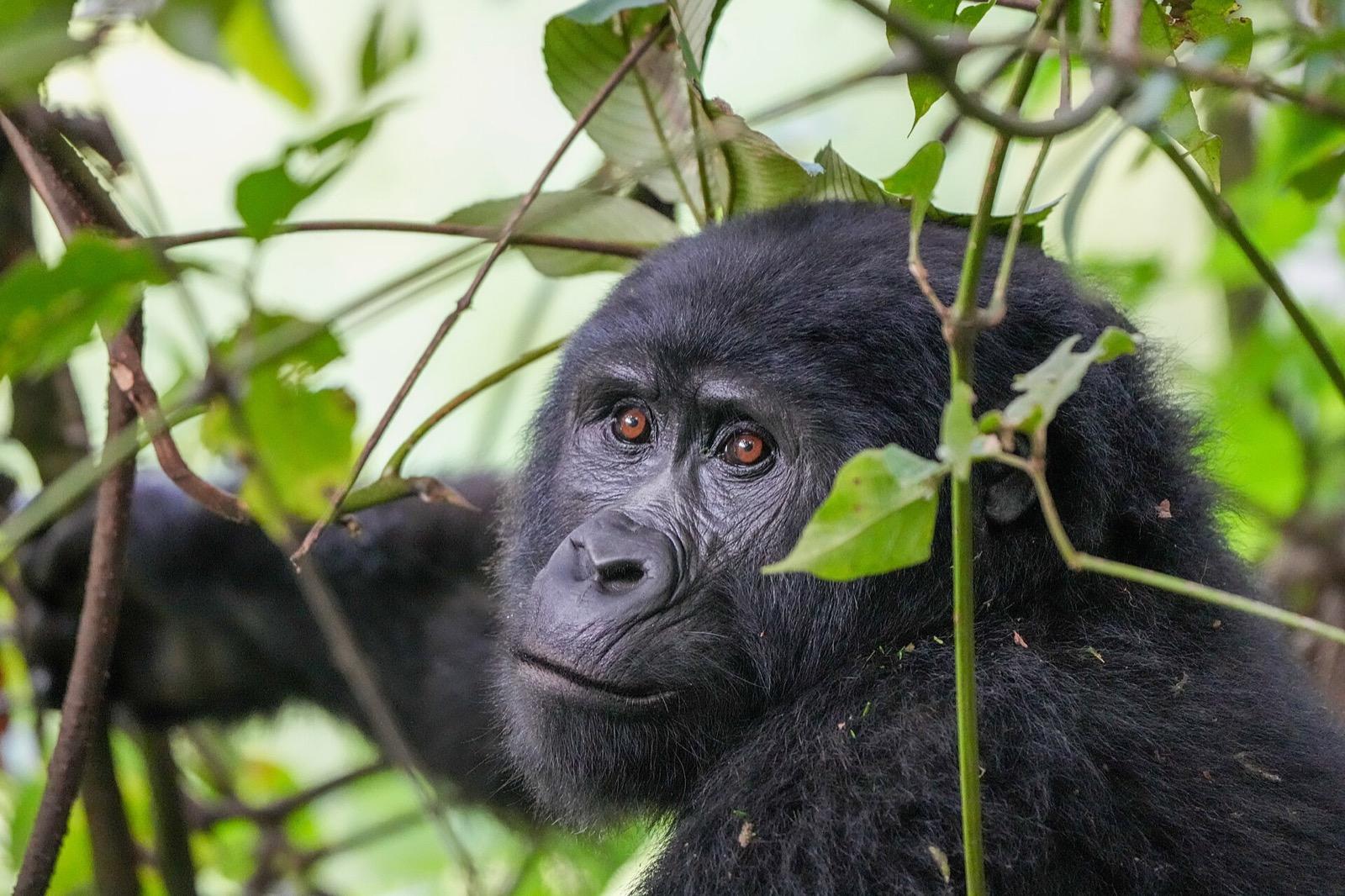
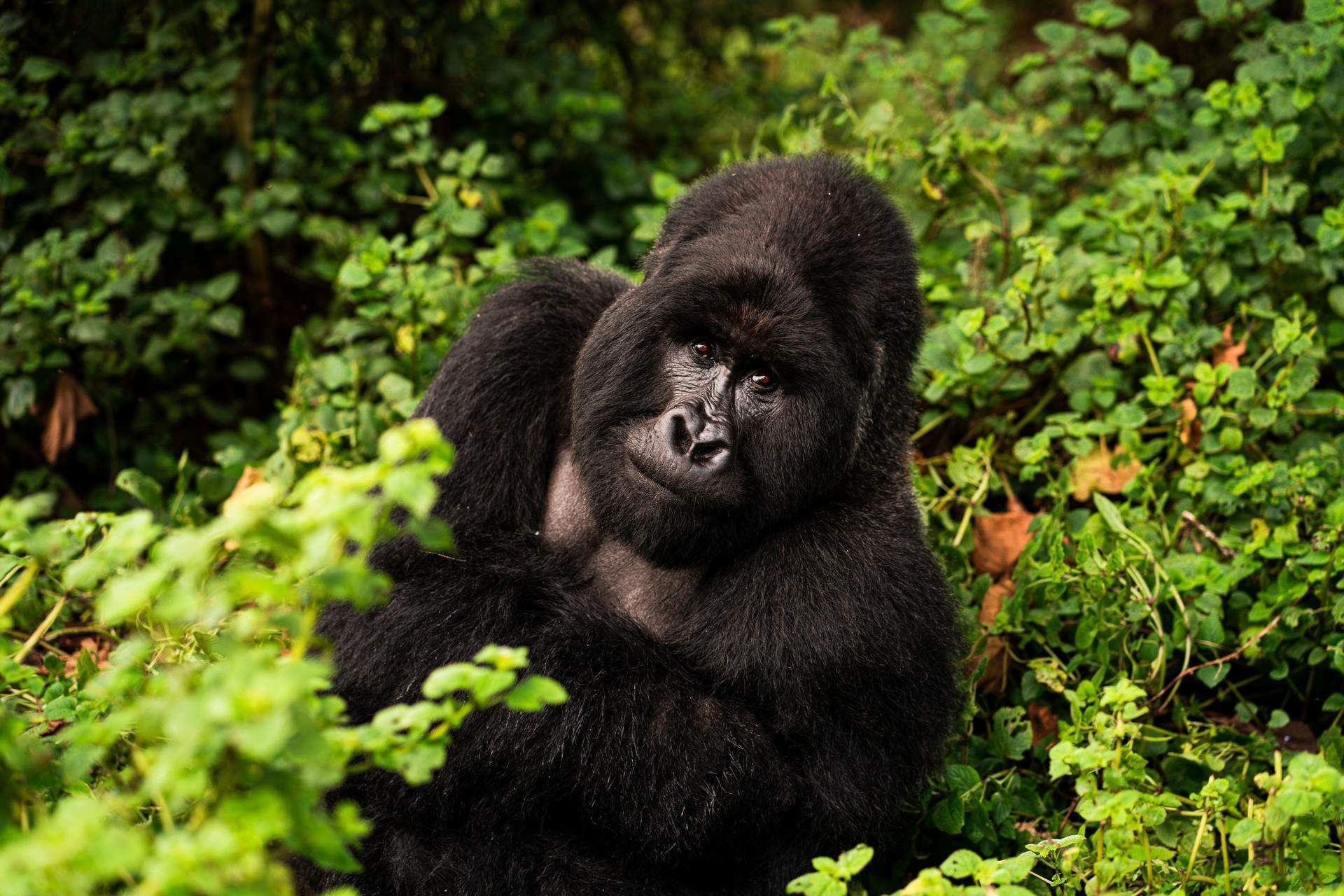
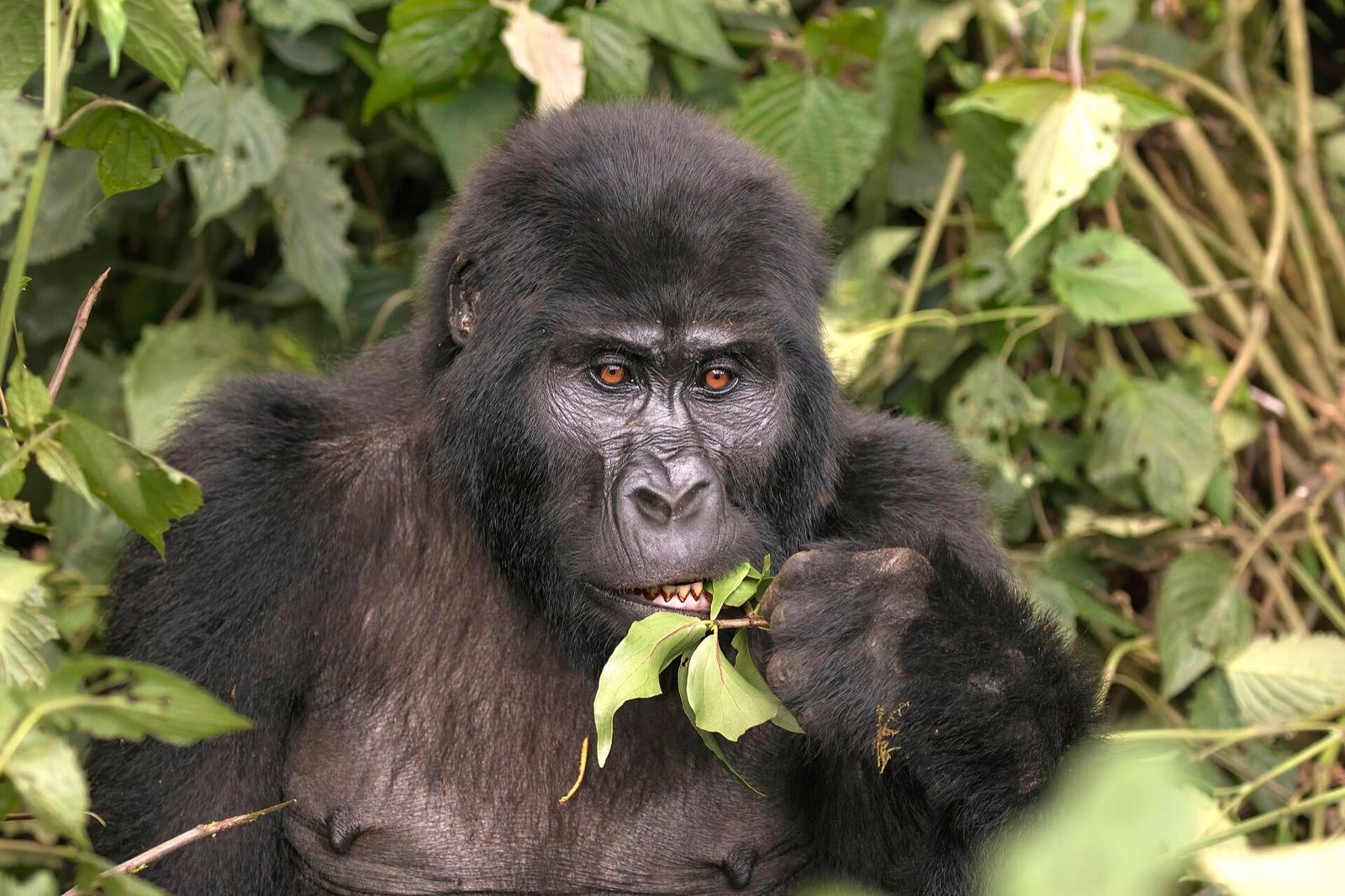
Mountain gorillas share about 98% of our DNA. That is the whole reason for the rules. A cold that gives you a sniffle can kill an infant gorilla, and a population of roughly 1,063 animals cannot absorb an outbreak.
Rangers enforce these rules strictly. Treat them as the price of admission, not as bureaucracy.
Before the trek
1. Do not trek if you are ill. Flu, a cold, COVID-19, a stomach bug, anything contagious. Rwanda asks you to declare illness at the briefing and rangers can refuse you. This is the rule people most want to bend and the one that matters most. If you are ill, tell your guide: a doctor's note may allow a reschedule or partial refund.
2. Minimum age 15. Checked against your passport. No exceptions. See gorilla trekking with kids.
3. Maximum 8 visitors per family per day. Which means no crowds, ever.
In the forest
4. Stay 7 metres away. Ten metres in some parks; Rwanda's standard is seven. Gorillas themselves do not read the rule, and a curious juvenile may walk straight up to you. In that case: stay still, do not touch, do not back away suddenly, and let the ranger manage it.
5. Masks. Since the pandemic, Rwanda has at times required surgical masks during the hour with the gorillas. Carry two; your guide will tell you the current rule.
6. One hour, timed. From first contact. The ranger will call it, and the hour goes faster than you can believe.
7. Keep your voice low. Whispers, not silence. Sudden noise is what unsettles them.
8. No flash. Turn it off before you leave the lodge, and check again at the trailhead. Flash photography is forbidden and will end your hour early.
9. Do not eat, drink or smoke within 200 metres of the gorillas. Food attracts them and risks transmission. Eat on the walk up.
10. If you must cough or sneeze, turn away and cover your mouth with your elbow, facing away from the family.
11. Leave nothing. All rubbish comes out, including fruit peel.
12. Do not use a drone. Banned in the park.
13. If you need the toilet, tell the ranger. They will dig a hole 30 cm deep, well away from the group, and cover it.
If a gorilla approaches or charges
Silverback displays are rare, loud and almost always bluff. The response is counterintuitive and you should rehearse it:
- Crouch down slowly and make yourself small.
- Look at the ground, not at the gorilla. Direct eye contact is a challenge.
- Do not run. Running triggers pursuit.
- Do not flash a camera.
- Wait for the ranger. They have spent their careers reading these animals and will talk the silverback down.
Why these rules worked
In 1981 there were roughly 242 mountain gorillas left. Today there are about 1,063, and the species was downgraded from Critically Endangered to Endangered in 2018 — the only great ape whose numbers are rising. Strict, low-volume, high-value tourism with hard rules is a large part of why.
What to carry to make the rules easy
Gardening gloves, long trousers tucked into socks, a mask, hand sanitiser, a camera you can shoot at ISO 1600 without flash, and a small bag your porter can take. See the full gorilla trekking packing list.
Your Eben guide briefs all of this the evening before the trek, so nothing on trek morning is a surprise. Plan your trek with us.
Frequently asked questions
How close can you get to gorillas in Rwanda?
The rule is a minimum of 7 metres. Gorillas sometimes close that distance themselves, in which case you stay still and let the ranger manage the situation.
Can you trek gorillas with a cold?
No. Gorillas share around 98% of human DNA and are highly vulnerable to human respiratory illness. Declare any illness at the briefing — rangers can and do refuse entry.
What happens if a silverback charges you?
Crouch down slowly, look at the ground, stay quiet and do not run. Charges are almost always bluff displays, and the ranger with your group is trained to defuse them.
Is flash photography allowed with gorillas?
No. Flash is strictly forbidden in Volcanoes National Park. Set your camera to a high ISO instead and turn the flash off before you leave your lodge.

Written by the Eben Safari Tours team
We are a Kigali-based tour operator, guiding travellers through Rwanda, Uganda, Kenya and Tanzania since 2015. Our guides trek with the gorillas, drive Akagera and climb the volcanoes every week, and we update these guides whenever rules or prices change.