How Long Do You Actually Spend With the Gorillas?
Exactly sixty minutes, timed from the moment you see them. It goes faster than you can imagine.
 Eben Safari Tours Team2 min read
The hour
One hour. Sixty minutes. The ranger starts the clock the moment the family comes into view and calls time at the end. There is no negotiation and no extension, and every visitor to every habituated family in Rwanda, Uganda and DR Congo gets the same.
Why only an hour?
Three reasons:
- Disease. Gorillas share about 98% of our DNA and are acutely vulnerable to human respiratory infection. Less contact means less risk.
- Stress. Limiting exposure keeps the families' behaviour as natural as possible.
- Habituation integrity. Longer or more frequent contact would change the animals further than conservation managers want.
Combined with the eight-visitors-per-family-per-day cap, it means each gorilla family sees people for one hour a day, maximum.
How long is everything else?
| Stage | Duration |
|---|---|
| Briefing at park HQ | 45 minutes |
| Drive to trailhead | 15–60 minutes |
| Hike to the gorillas | 30 minutes – 6 hours |
| With the gorillas | 1 hour |
| Hike back | Usually a bit quicker |
| Total day | 4–9 hours |
The variable is where the family slept. Trackers radio their position to the park headquarters at dawn, and the warden allocates accordingly — but gorillas move while you are walking.
What the hour is actually like
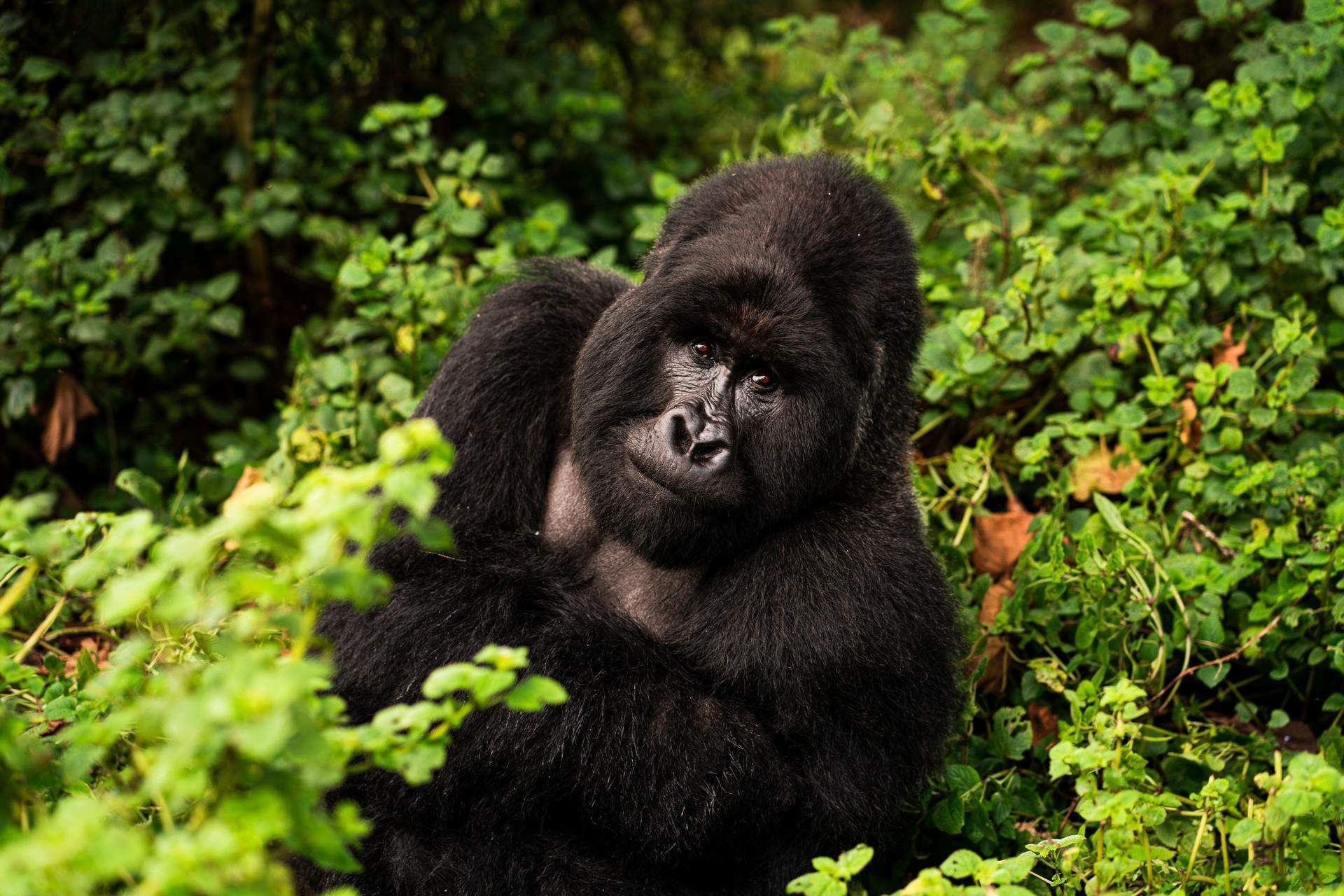
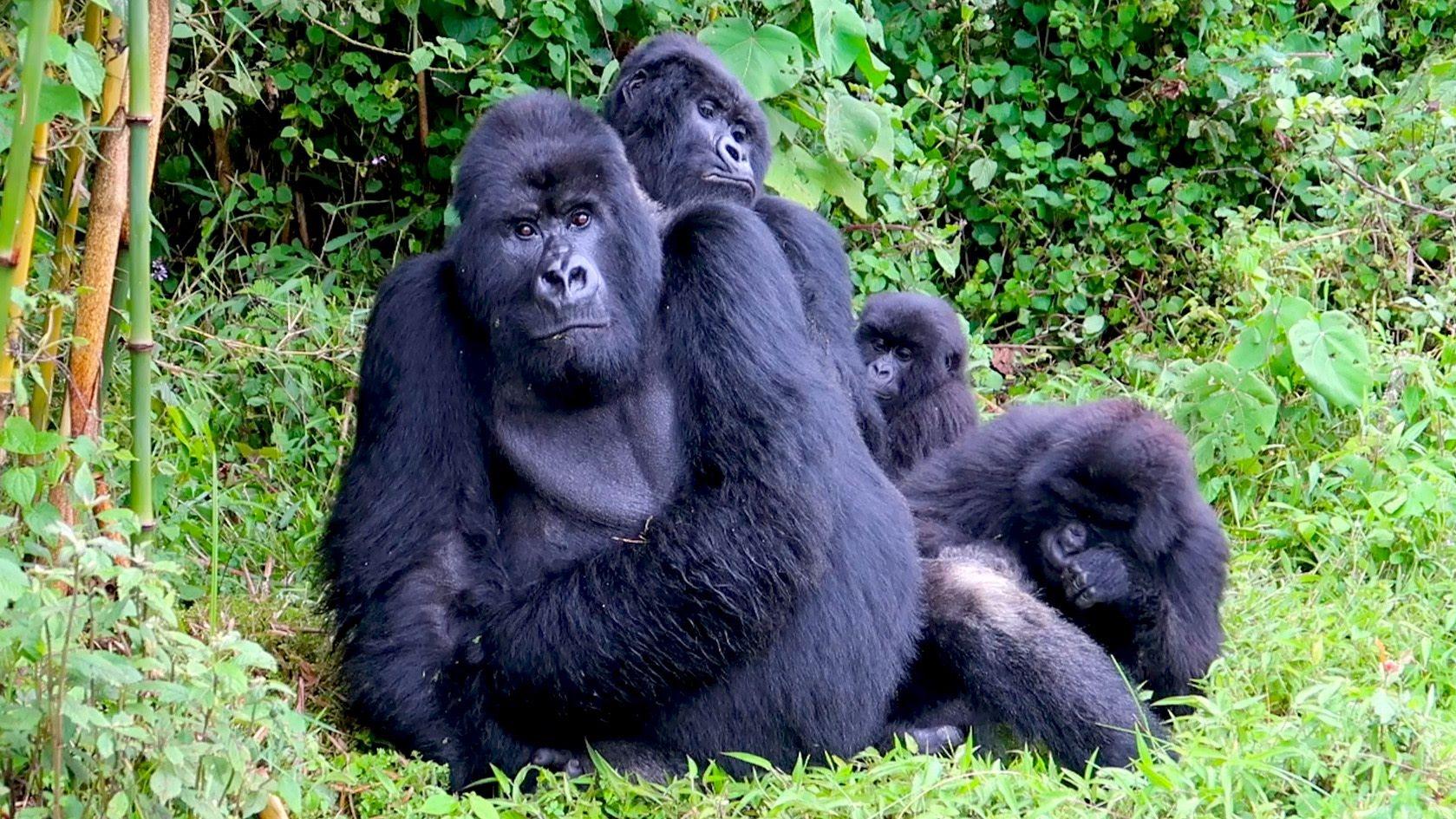
The first ten minutes you will barely breathe. There is a silverback twenty feet away and your brain is still catching up.
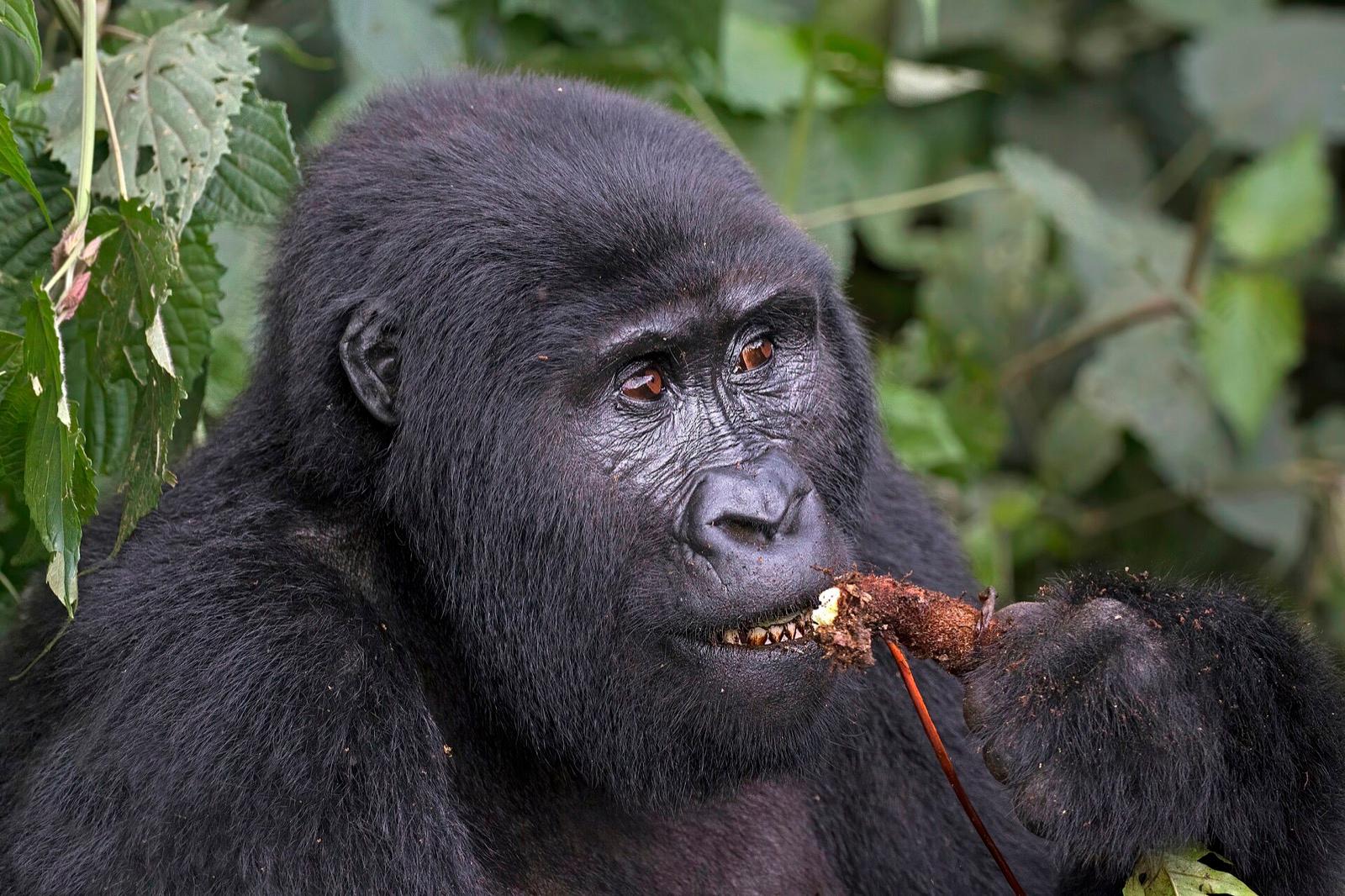
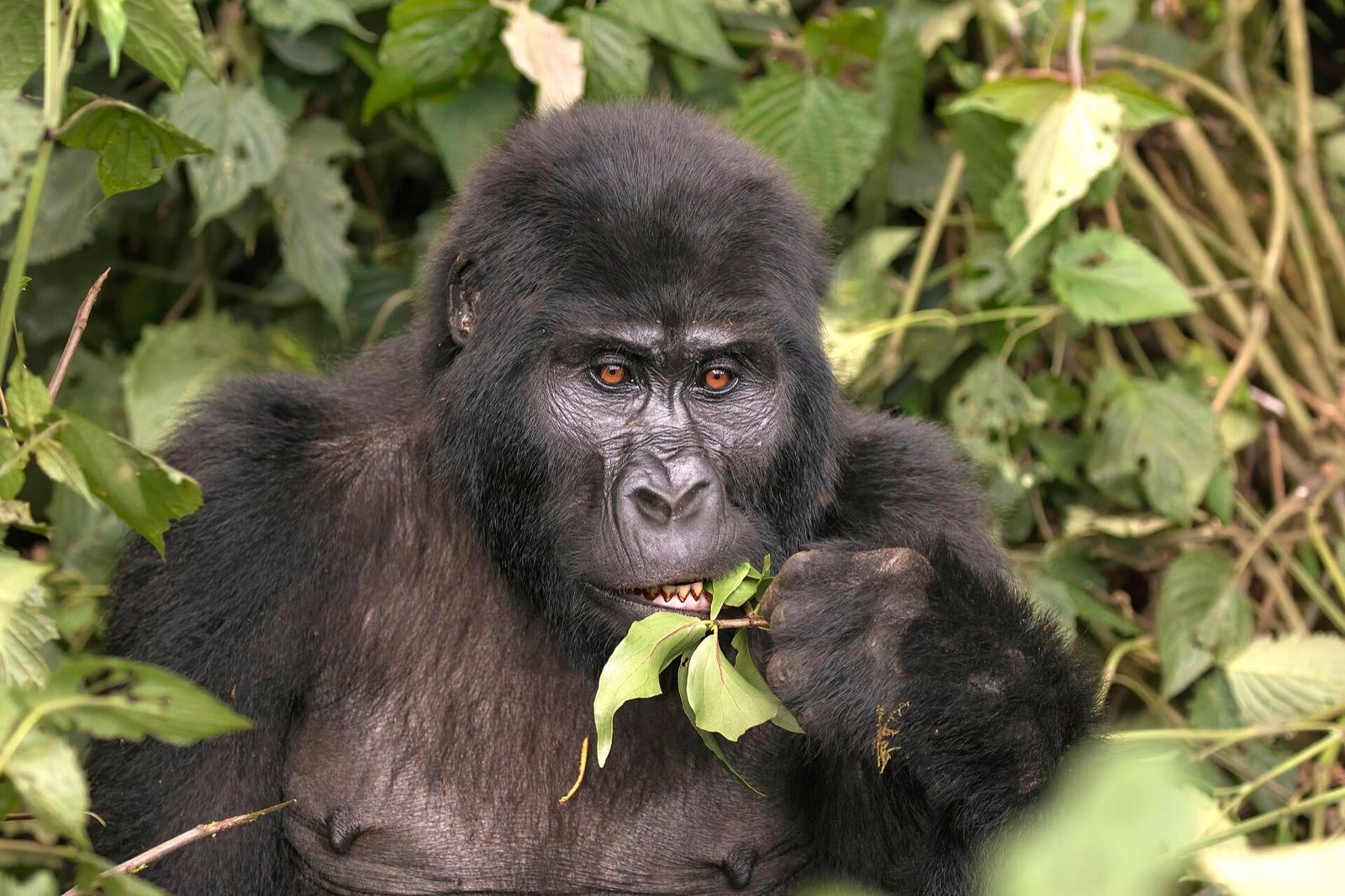
The middle thirty minutes are when it becomes extraordinary, because the family goes back to its day. Infants wrestle and fall out of trees. A juvenile tries to pull a branch its mother is eating. Someone yawns. The silverback rolls onto his back with his arms behind his head, which is a thing that genuinely happens and which no photograph quite conveys.
The last ten minutes you will be trying to stop looking through a lens.
Then the ranger says "time", and the walk back down is quiet.
How to make the hour count
- Take your photographs in the first 20 minutes, then put the camera away for the rest. Everyone who does this is glad; everyone who does not wishes they had.
- No flash. Set a high ISO before you leave the lodge.
- Look with your eyes, not your screen. You will remember what you watched, not what you captured.
- Stay still and stay low. Gorillas relax faster around people who are not moving.
- Listen. The contented rumbling belch vocalisation while they feed is the sound you will remember.
- Follow the ranger instantly. If they say move, move.
Can you get longer?
Only in Uganda. The gorilla habituation experience in Bwindi's Rushaga sector gives you four hours with a semi-habituated family for US$1,500, with only four permits per day. The gorillas are warier and the day is harder, but the time is transformative. See gorilla habituation experience vs trekking.
The other way to get more time: book two permits on different days. Two separate hours with two different families, for US$3,000 in Rwanda. Of everything we are asked about, this is the upgrade people are most glad they bought.
Frequently asked questions
How long do you get with the gorillas?
Exactly one hour, timed by the ranger from first contact. The rule is identical in Rwanda, Uganda and DR Congo for all standard trekking permits.
Can you spend more than one hour with gorillas?
Yes, through Uganda's gorilla habituation experience in Bwindi's Rushaga sector — four hours for US$1,500, with only four permits issued per day.
How long is the hike to reach the gorillas?
Anything from 30 minutes to six hours each way, depending on where your allocated family spent the night. Most treks are two to four hours round trip.

Written by the Eben Safari Tours team
We are a Kigali-based tour operator, guiding travellers through Rwanda, Uganda, Kenya and Tanzania since 2015. Our guides trek with the gorillas, drive Akagera and climb the volcanoes every week, and we update these guides whenever rules or prices change.