Is Gorilla Trekking Worth the Money? An Honest Answer
US$1,500 for one hour. We have taken thousands of people up that mountain. Here is what they say coming down.
 Eben Safari Tours Team2 min read
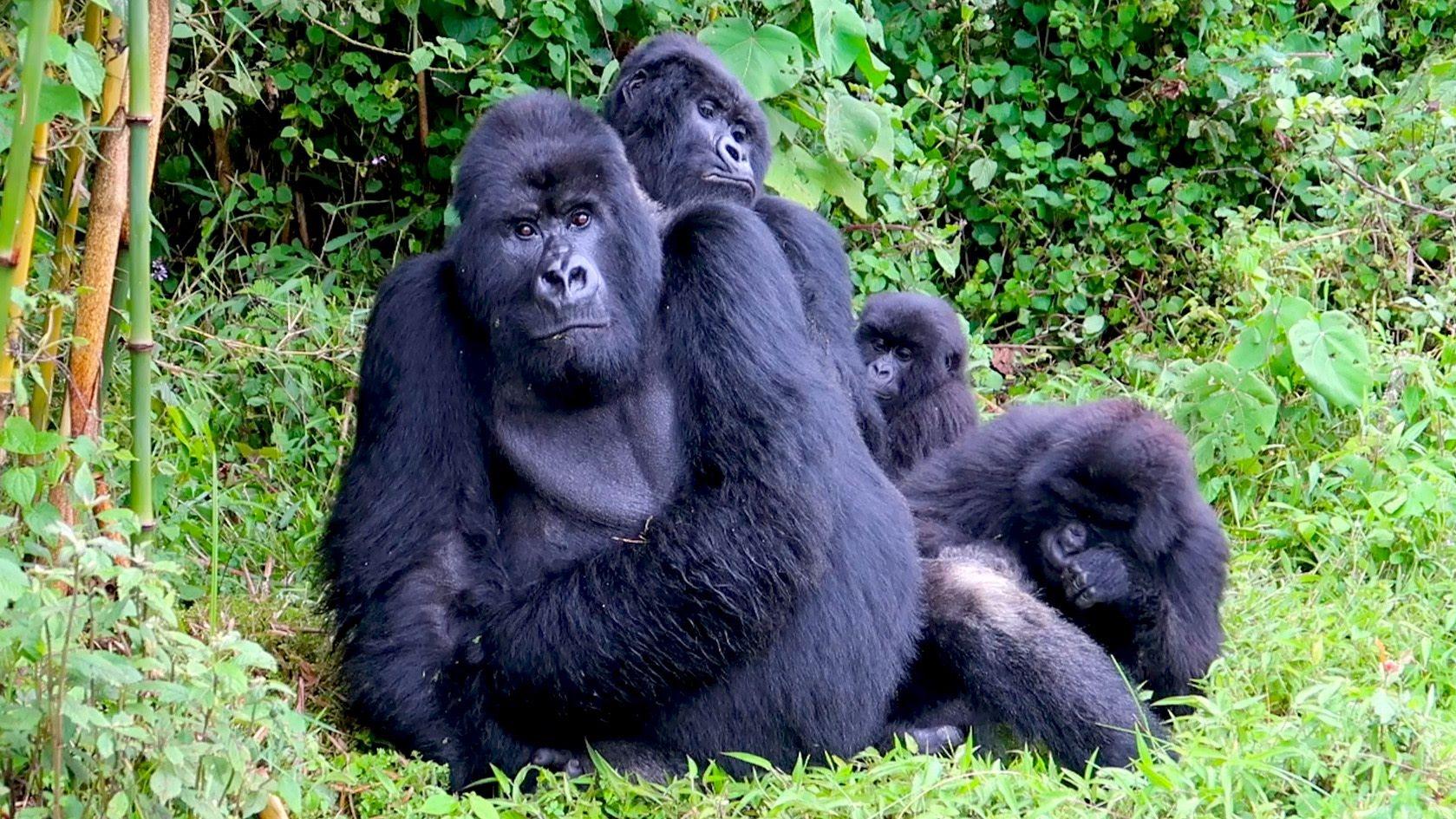
This is the question people agonise over before booking and never ask again afterwards.
What you are actually buying
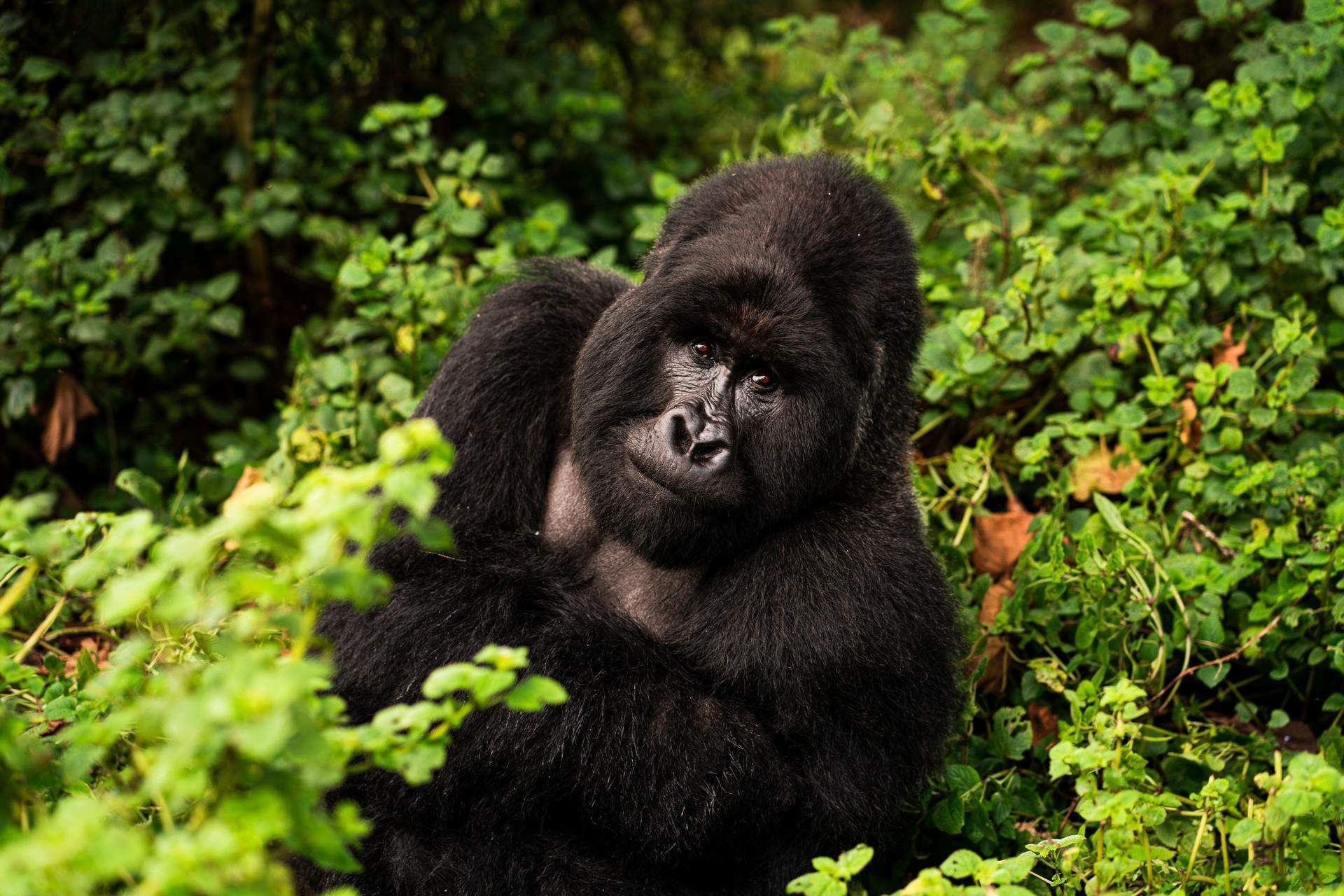
- One hour at seven metres from a wild mountain gorilla family of 9 to 30 individuals.
- A near-100% success rate — trackers are with each family from dawn, so you are not hoping, you are walking to a known location.
- A group of eight people maximum. No crowds, no queue, no viewing platform.
- An animal that exists nowhere in captivity on earth. You cannot see this in a zoo; there is no substitute.
- A measurable conservation contribution.
Compare it to other wildlife experiences
| Experience | Cost | Guaranteed? |
|---|---|---|
| Rwanda gorilla trek | US$1,500 | ~100% |
| Uganda gorilla trek | US$800 | ~100% |
| Gorilla habituation, Uganda | US$1,500 (4 hrs) | ~95% |
| Chimpanzee trekking, Nyungwe | US$150 | ~70% |
| Big Five safari day, Akagera | US$120 park fee | Leopard rarely |
| Serengeti migration crossing | US$500+/day | Timing-dependent |
Per hour, nothing in African wildlife tourism is more expensive. Per experience, very little compares.
Who tends to say it was worth it
- Anyone with any interest in primates or conservation — universally.
- First-time Africa travellers, who find it the anchor of the whole trip.
- Photographers.
- People who were on the fence and went anyway. This is the largest group.
Who might not
- Travellers who dislike walking uphill in mud and rain, and will not hire a porter.
- People who want guaranteed long, open photographic views — dense vegetation often gets in the way.
- Anyone expecting a documentary-style sequence. Gorillas spend a lot of their day eating and lying down.
- Travellers for whom US$1,500 is a genuine financial strain and who would see more wildlife for the money in Tanzania or Kenya. That is a fair call.
The thing people tell us on the way down
Almost always a version of the same thing: that watching a silverback look at you, decide you are irrelevant, and go back to chewing celery, rearranges something about how you see animals.
And then, two days later: can we do it again tomorrow? Hence the standing advice — if your budget can stretch, book two permits, on different days with different families. Nobody has ever told us they regretted the second one.
The ethical angle
Your money is not disappearing into a resort. Ten per cent of Rwanda's park revenue goes straight into community projects around Volcanoes National Park, and permit income pays the rangers, trackers and vets who are the reason the population is rising. This is covered in detail in where your gorilla permit money goes.
That is unusual. For most tourism purchases, the ethical case is "at worst, harmless". For this one, it is causal.
Our honest verdict
If you can afford it without financial pain, go. Go once, and seriously consider going twice. If you cannot, Uganda at US$800 is the same animal for just over half the money.
Frequently asked questions
Is gorilla trekking worth US$1,500?
For the overwhelming majority of people who do it, yes. You get an hour at close range with an animal that exists nowhere in captivity, a near-100% success rate, and a direct conservation contribution.
Is one hour with the gorillas long enough?
It passes extremely quickly and most people want more, which is why many book a second permit for a different family on a different day. Uganda's four-hour habituation experience is the alternative.
What is cheaper than gorilla trekking but similar?
Chimpanzee trekking in Nyungwe Forest (US$150) and golden monkey tracking in Volcanoes National Park (US$100) are both excellent primate experiences at a fraction of the cost — but neither is a substitute for gorillas.

Written by the Eben Safari Tours team
We are a Kigali-based tour operator, guiding travellers through Rwanda, Uganda, Kenya and Tanzania since 2015. Our guides trek with the gorillas, drive Akagera and climb the volcanoes every week, and we update these guides whenever rules or prices change.