Is Gorilla Trekking Better in Peak or Off Season?
Dry season is easier walking. Wet season is cheaper, quieter, greener and often shorter. Here is the trade, honestly.
 Eben Safari Tours Team3 min read
The permit price does not change. Everything else does.
Side by side
| Peak (Jun–Sep, mid-Dec–Feb) | Off season (Mar–May, Oct–Nov) | |
|---|---|---|
| Permit price | US$1,500 | US$1,500 |
| Permit availability | Book 4–6 months ahead | Often 1–3 weeks |
| Lodge rates | Full | 20–40% lower |
| Trail conditions | Firm, drier | Muddy, slippery |
| Trek length | Often longer | Often shorter |
| Visitors at the briefing | All 96 permits used | Sometimes a handful |
| Light for photography | Harsh, contrasty | Soft, even |
| Scenery | Drier, dustier | Intensely green |
| Rain | Possible | Likely |
| Volcano views | Clearer | Often cloud-covered |
The case for peak season
Firm ground. The single biggest practical difference. Dry volcanic soil is grippy; wet volcanic soil is not.
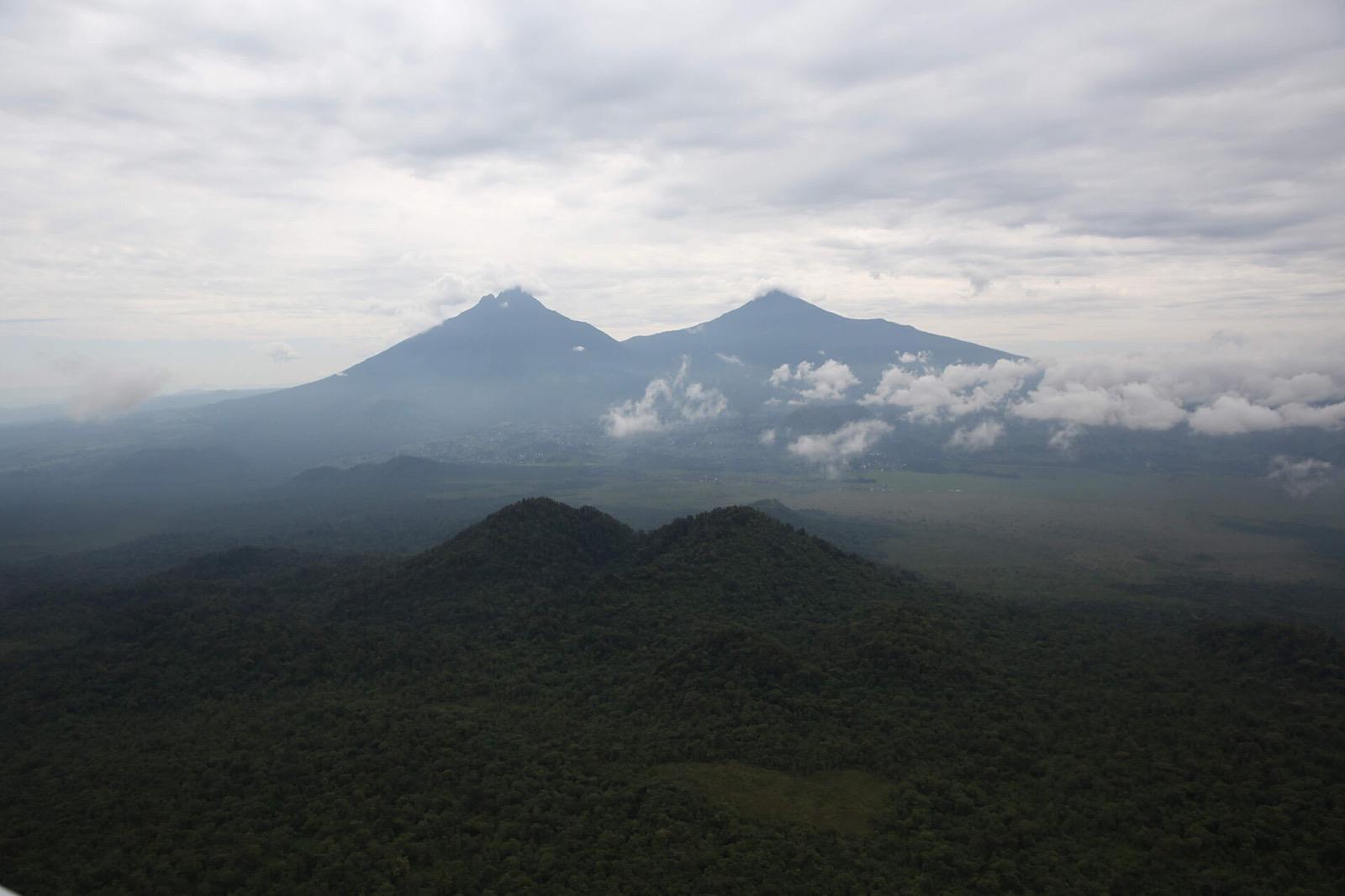
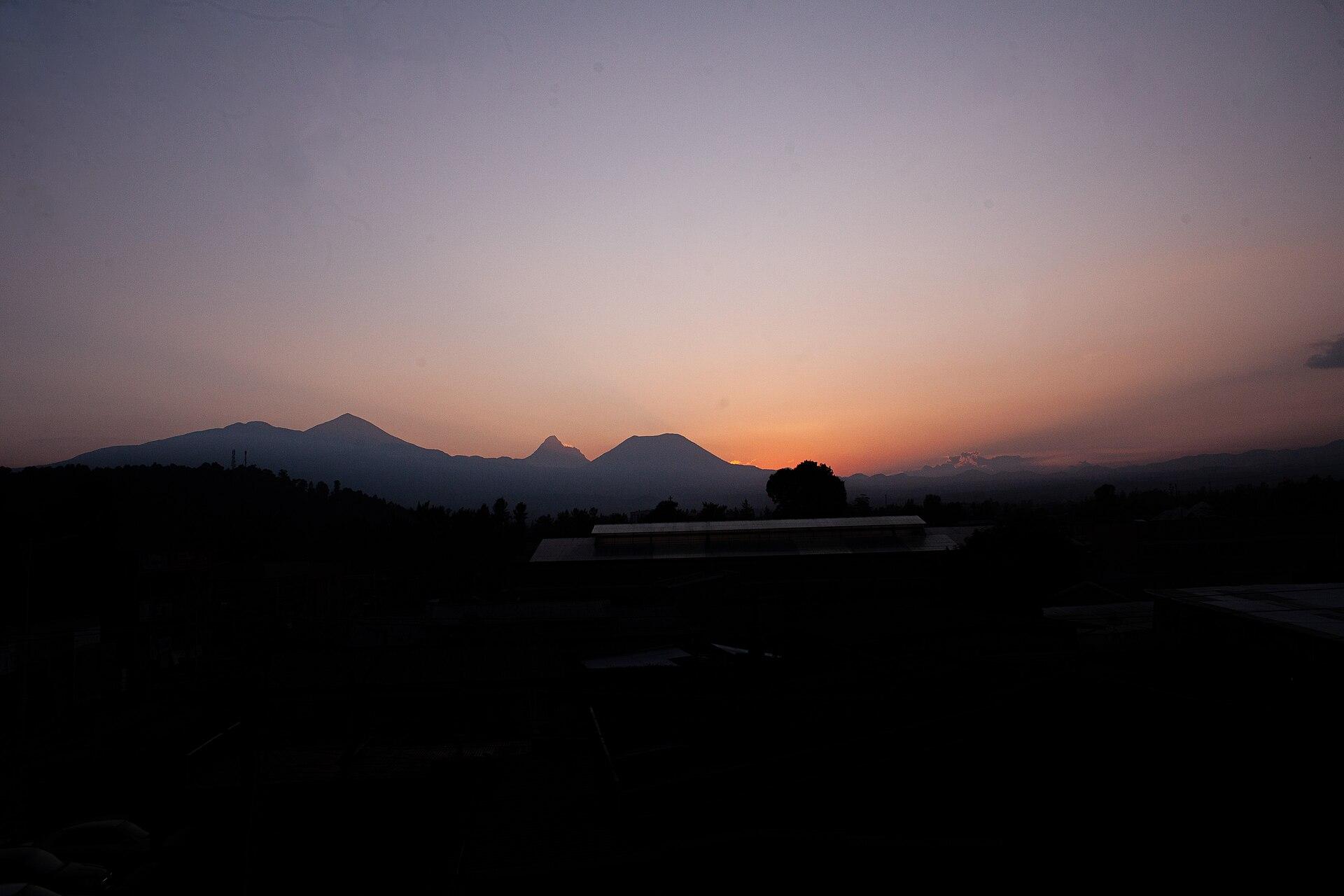
Clear volcano views. If you want the postcard of Sabyinyo and Muhabura from your lodge terrace, dry season gives you the best odds.
Reliable mornings. Less chance of trekking in rain for four hours.
Better for add-ons. Bisoke and Karisimbi are substantially more pleasant in dry conditions.
The case for off season
Money. A lodge at US$280 in August may be US$180 in April. Over two nights that is US$200 per couple, and at the top end the savings run into four figures.
Permits available. We have placed clients with 48 hours' notice in April.
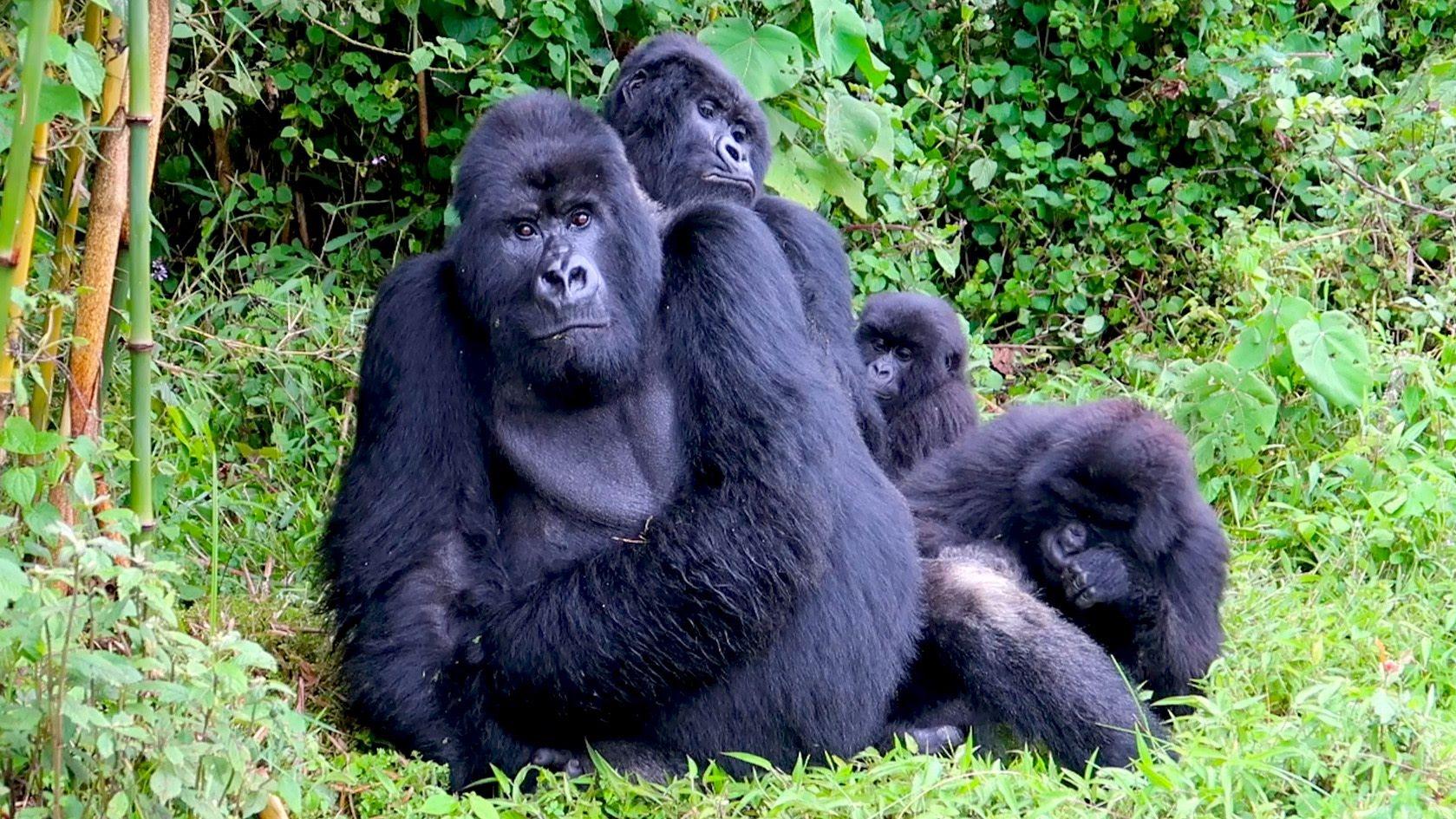
Shorter treks. This surprises people. Bamboo shoots after rain, and gorillas come down to eat it — frequently cutting a four-hour climb to ninety minutes.
Fewer people. Quieter briefings, quieter lodges, quieter roads.
Better photographs. Overcast skies are a giant softbox. Harsh equatorial sun through a forest canopy produces brutal contrast; diffuse cloud does not.
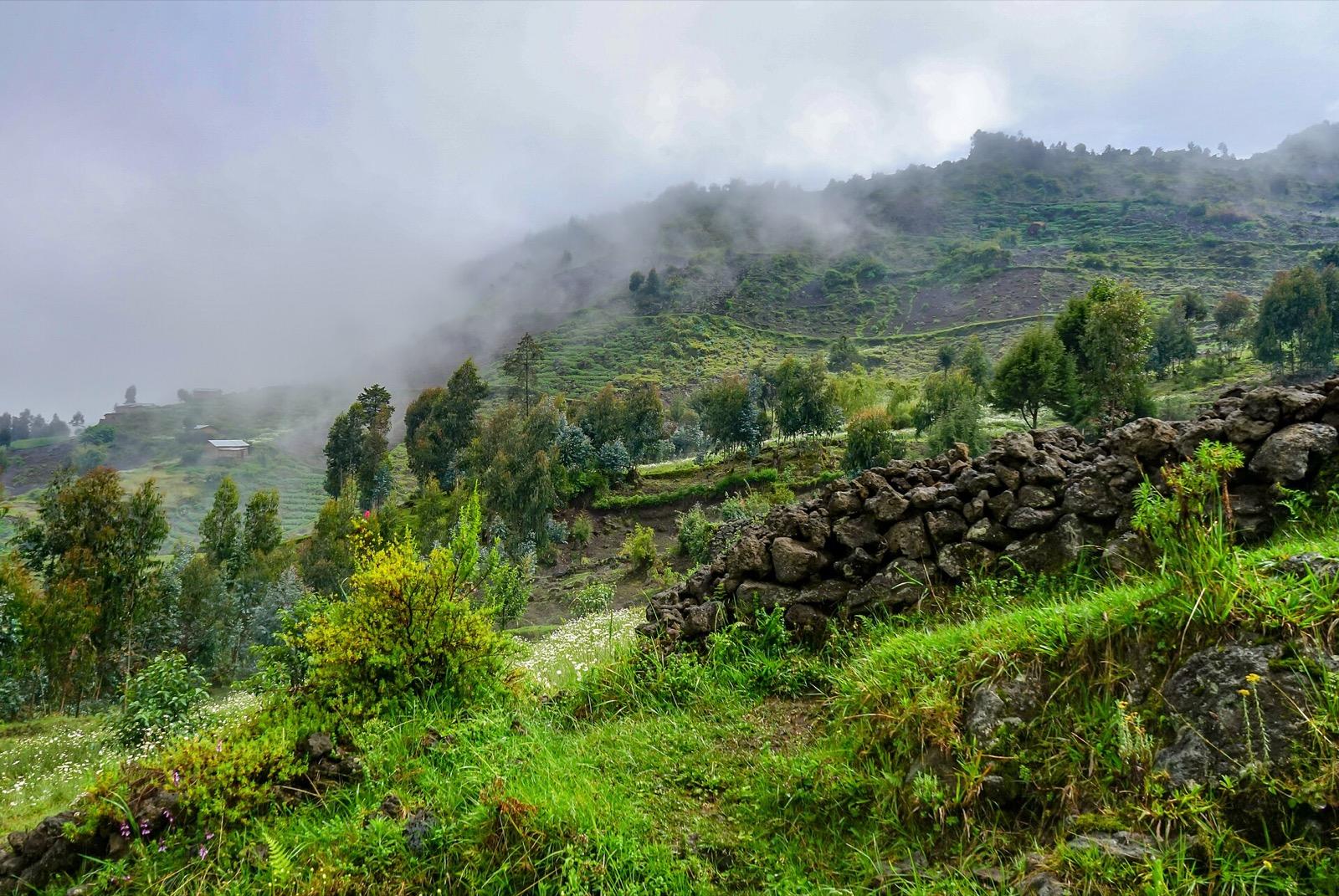
The forest at its best. Everything is vividly, almost absurdly green.
What off season actually costs you
Mud. Specifically:
- Trails that are genuinely slippery on steep sections
- Wet feet unless your boots are properly waterproof
- Rain for part of most days
- Cloud hiding the volcanoes
- Mud on every piece of clothing you own
All of which is managed with gaiters, waterproof boots, over-trousers, gloves, a dry bag and a porter. Travellers who come equipped barely notice. Travellers who come in trail runners have a miserable day.
The sweet spots
If you want the best of both:
- Late September / early October — the dry season winding down, prices beginning to fall, trails still reasonable.
- Early December — after the short rains, before the Christmas rush.
- Late February — dry, quiet, the gap between Christmas and the long rains.
These are the months we book for clients who ask us to just pick.
The worst month?
April, usually the wettest. And yet: the park is at its emptiest, the forest is at its most beautiful, permits are freely available and lodges are at their cheapest. Plenty of people deliberately choose it.
Verdict
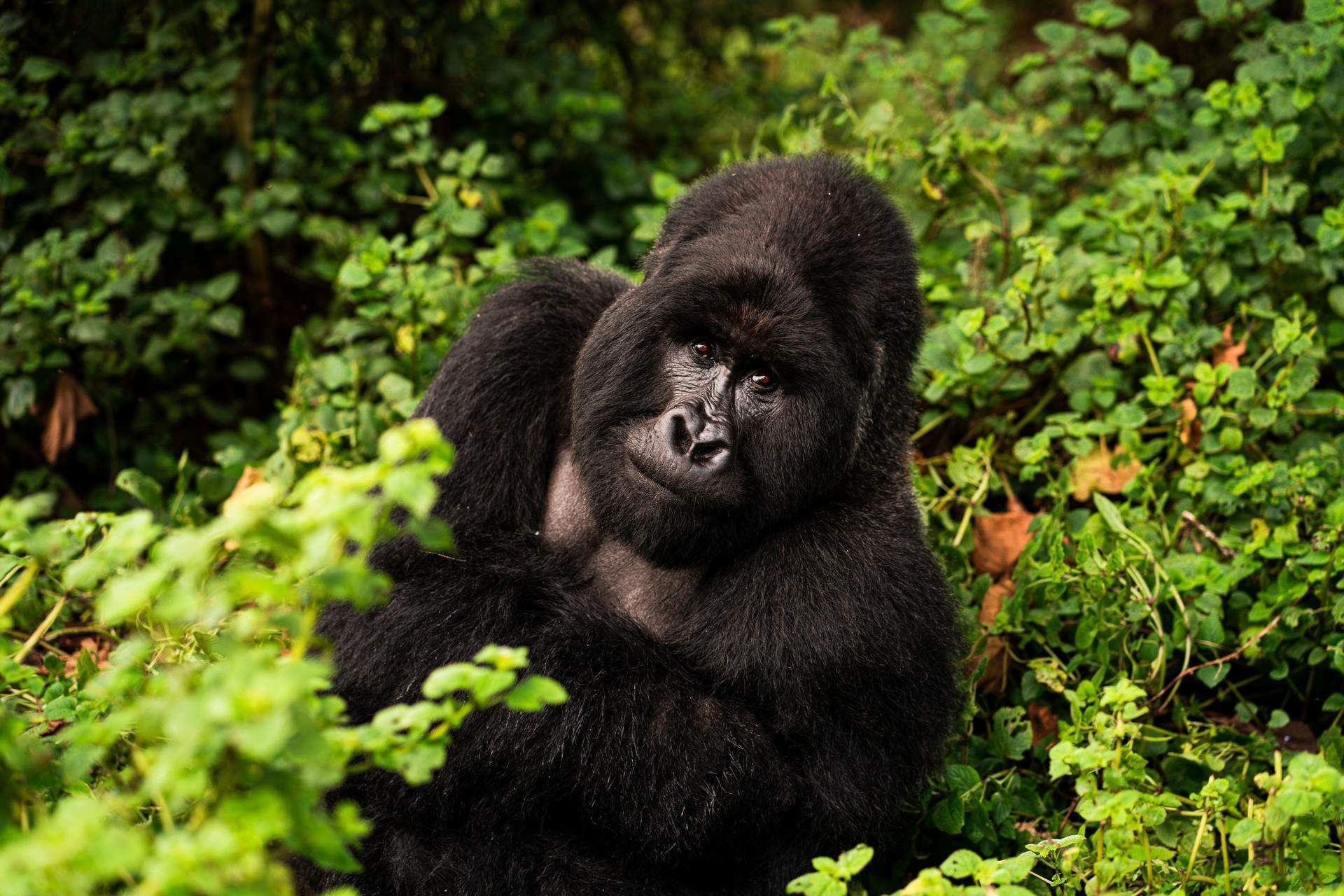
If you have flexible dates and good gear: go in the shoulder or wet season. You save real money, you get the park to yourself, and the trek is often easier.
If you want the best conditions and do not mind booking six months ahead and paying full rates: June to September.
More detail in best time for gorilla trekking in Rwanda. Ask us what is available for your dates.
Frequently asked questions
Are gorilla permits cheaper in low season?
No. Rwanda's permit is US$1,500 year-round. The savings in low season come from lodges, which discount 20–40%, and from cheaper flights.
Is the rainy season a bad time for gorilla trekking?
No. Trails are muddier, but gorillas often descend for bamboo shoots so treks are shorter, light is better for photography, and permits and lodges are far easier to get.
What is the best month for gorilla trekking in Rwanda?
Late September, early December and late February offer the best balance of dry trails, lower prices and quieter parks. June–September has the most reliable weather but books out months ahead.

Written by the Eben Safari Tours team
We are a Kigali-based tour operator, guiding travellers through Rwanda, Uganda, Kenya and Tanzania since 2015. Our guides trek with the gorillas, drive Akagera and climb the volcanoes every week, and we update these guides whenever rules or prices change.