Will You See Gorillas Behaving Naturally? What to Expect
They are wild, not tame. What that means in practice, and what the hour actually looks like.
 Eben Safari Tours Team3 min read
What habituation means
Habituation is a two to three year process in which trackers visit a gorilla family daily, gradually closing distance until the family stops reacting to human presence. Nothing else changes. The gorillas are:
- Not fed. No bait, no provisioning, ever.
- Not confined. They roam freely across the Virunga Massif and regularly cross into Uganda and DR Congo.
- Not trained or handled.
- Not treated except by Gorilla Doctors for snare injuries and serious disease.
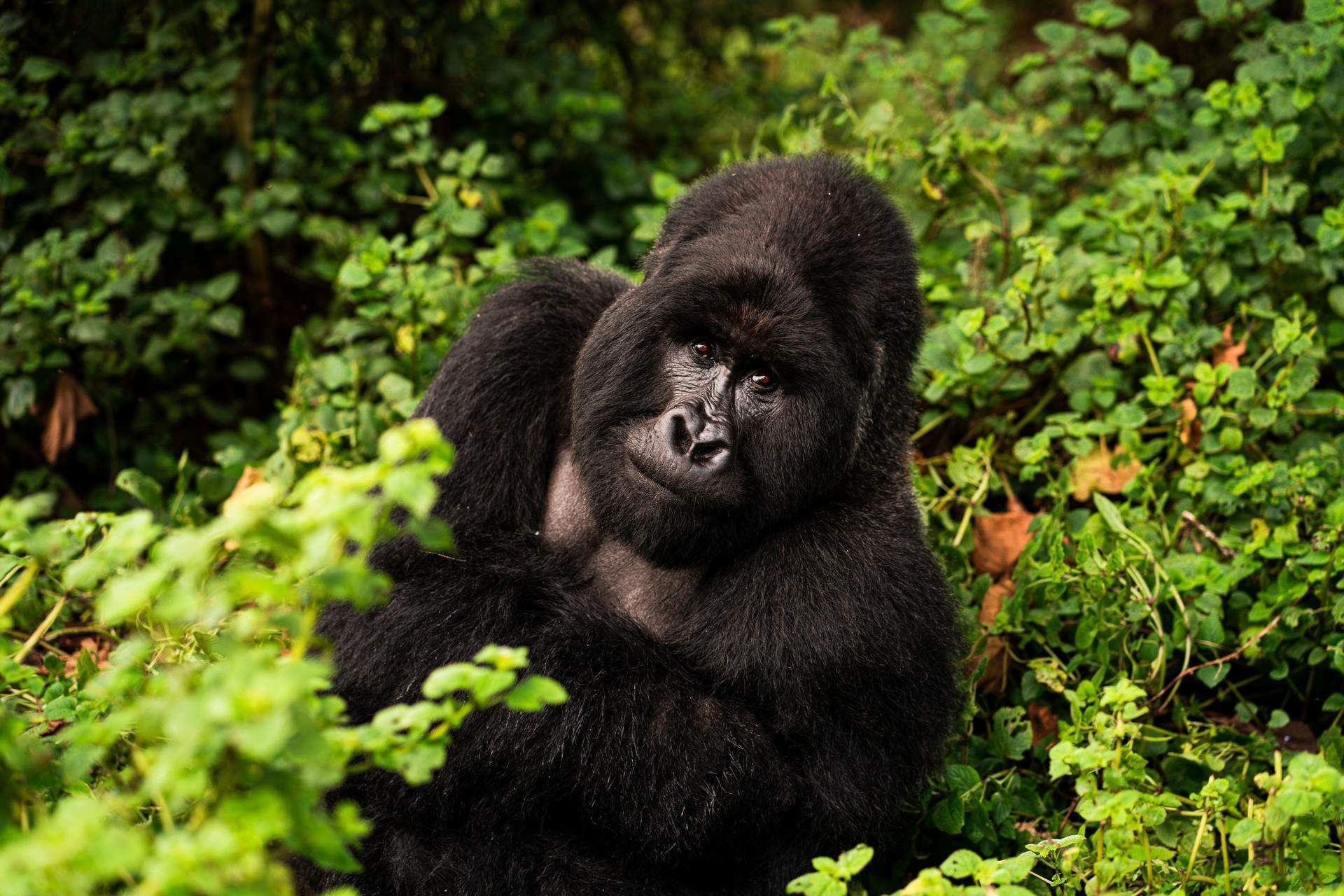
They are wild animals that have decided you are not worth worrying about. That is all.
What you will actually see
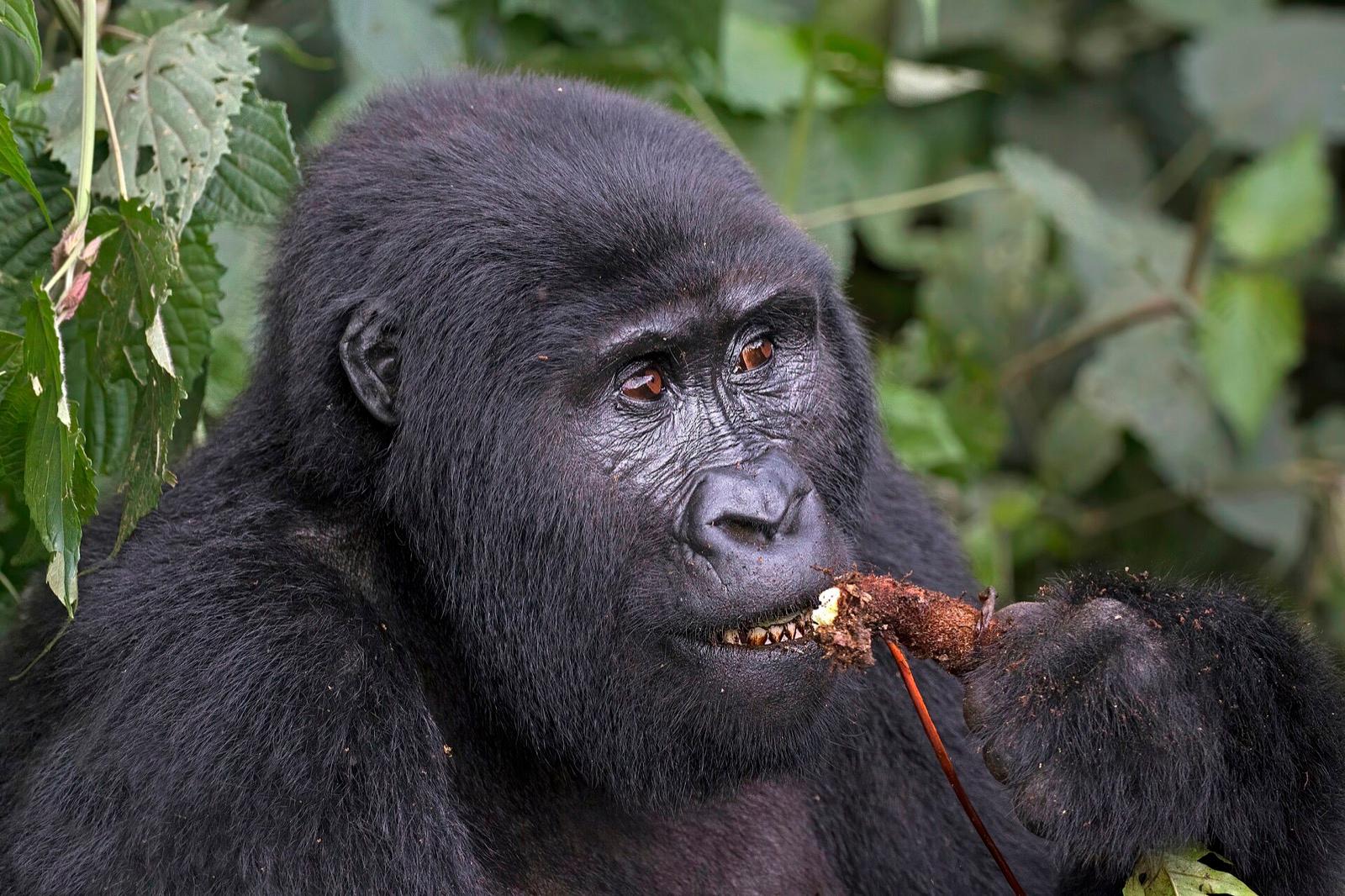
Feeding (very likely)
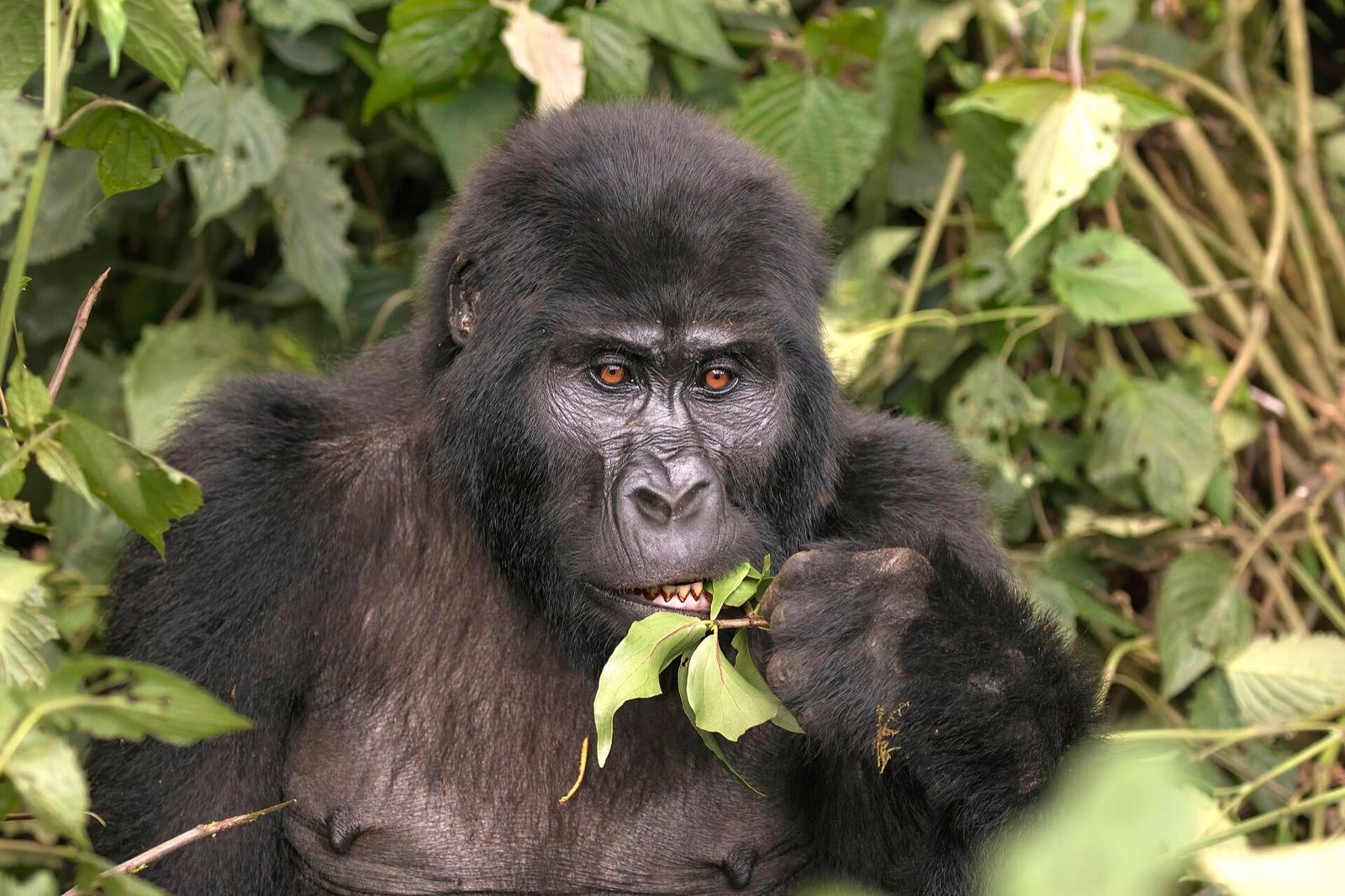
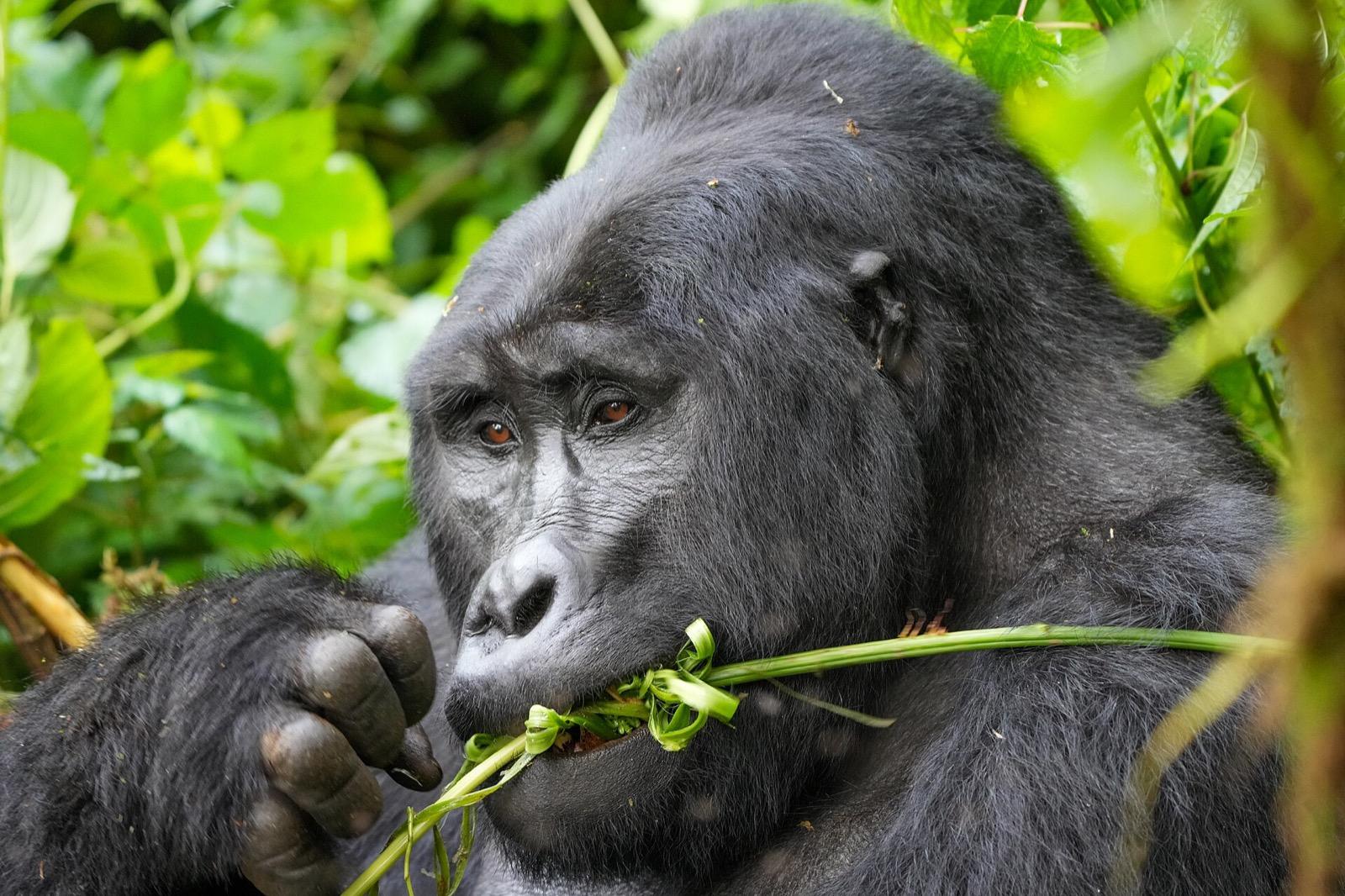
Gorillas eat 18–30 kg of vegetation a day — bamboo shoots, wild celery, thistles, nettles, bark and roots. Watch how they process a stinging nettle: stripping it, folding it, eating it without a flinch. That is the detail everyone remembers.
Resting (very likely)
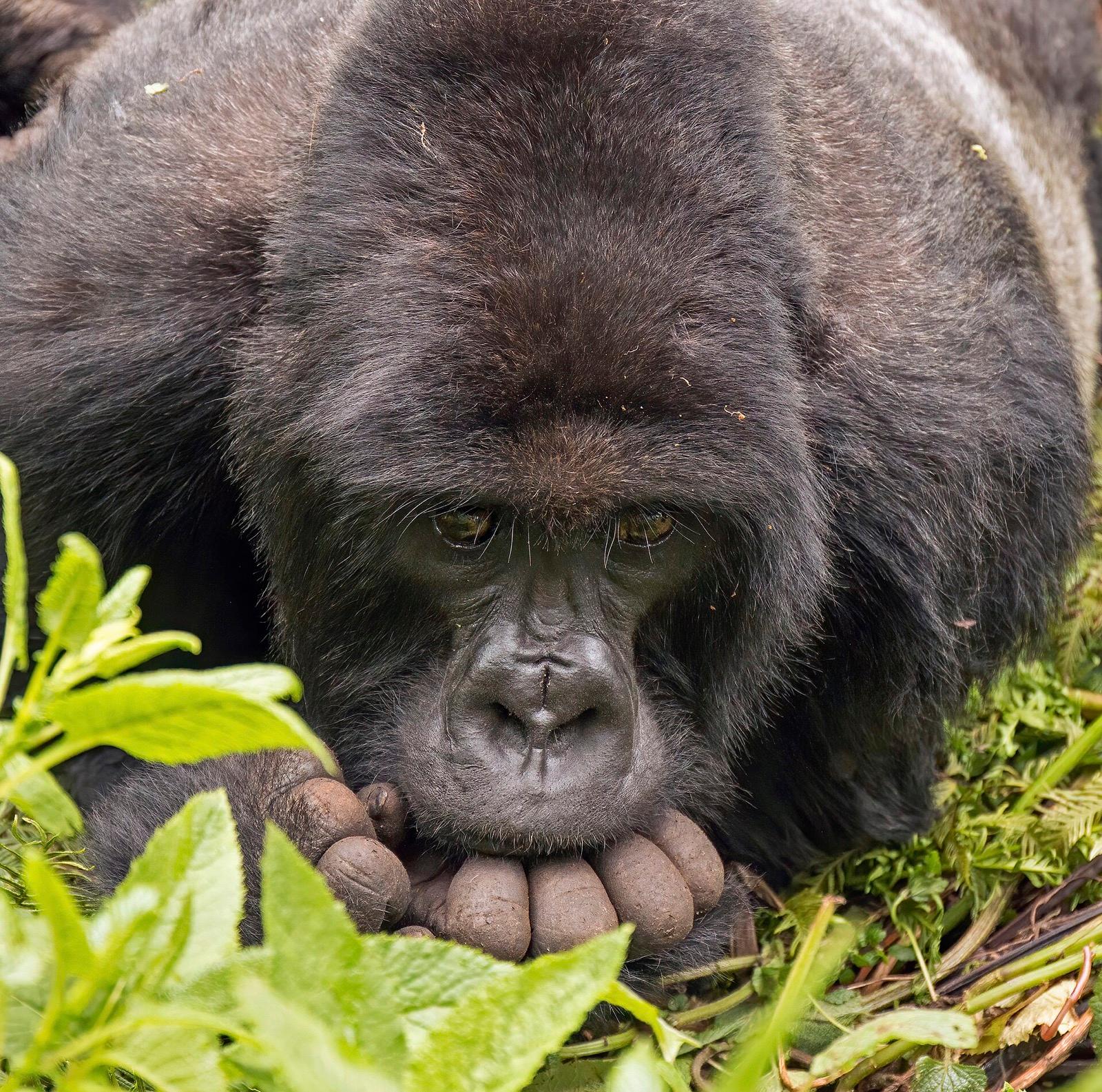
Treks usually arrive during the long midday rest, which is fortunate. A silverback flat on his back with his arms behind his head is the single most common sight on a Rwandan gorilla trek, and no photograph prepares you for how human it looks.
Grooming (likely)
Mothers grooming infants, females grooming each other. Social bonding, not hygiene.
Infants and juveniles playing (very likely in a family with young)
Wrestling, chest-beating practice, falling out of low trees, climbing on a tolerant silverback. This is the comedy, and it is where your hour goes.
Nursing (common)
Infants stay with their mothers for three to four years.
Vocalisations (certain)
Gorillas use at least 25 distinct sounds. The one you will hear most is the belch vocalisation — a low, contented rumbling while feeding, which the family uses to keep track of each other. It is an extraordinarily soothing noise.
Silverback display (uncommon)
Chest-beating, strutting, breaking vegetation. Almost always directed at another gorilla or as a general announcement, not at you. Crouch, look down, stay still.
Movement (common)
Families move during your hour. Your ranger will reposition the group. Expect to walk a little during the sixty minutes.
What you will probably not see
- A fight. Serious conflict is rare and usually happens out of sight.
- Tool use. Documented in gorillas but very rarely observed.
- A whole family in one clear frame. Vegetation is dense. You will see individuals and small clusters.
- Dramatic action. Gorillas are, by and large, extremely relaxed. That is the point.
Does your presence change their behaviour?
Minimally, which is the explicit goal of the eight-visitor, one-hour cap. The most noticeable effect is that juveniles are curious — a young gorilla may walk straight up to you. The rule is yours to keep, not theirs: stay still, do not touch, and let the ranger handle it.
Researchers studying habituated groups find their behaviour broadly comparable to unhabituated gorillas in foraging, ranging and social structure.
How to see more
- Stay still and low. Gorillas settle around people who are not moving.
- Put the camera down after 20 minutes. You will see far more.
- Listen rather than looking constantly.
- Ask your ranger to identify individuals. They know every gorilla by name, nose print and personality, and the family's politics are a soap opera.
- Book the four-hour habituation experience in Uganda if behaviour is what you care about most.
The honest framing
An hour with gorillas is quiet, slow and largely uneventful in the way that watching any wild animal live its life is uneventful. It is also, for almost everyone, unforgettable. Expectations set by edited documentary footage are the single biggest cause of mild disappointment.
Trek with our guides — they will tell you who is who before you reach the family.
Frequently asked questions
Are habituated gorillas still wild?
Yes. Habituation only means they tolerate human presence. They are never fed, confined, trained or handled, and they roam freely across the Virunga Massif.
What do gorillas do during your hour with them?
Mostly feed, rest, groom and watch their infants play. Treks often arrive during the long midday rest, so a silverback lying on his back is a common sight.
Will a gorilla come close to me?
Sometimes. Curious juveniles occasionally approach visitors. The rule is that you stay still, do not touch and let the ranger manage the situation.

Written by the Eben Safari Tours team
We are a Kigali-based tour operator, guiding travellers through Rwanda, Uganda, Kenya and Tanzania since 2015. Our guides trek with the gorillas, drive Akagera and climb the volcanoes every week, and we update these guides whenever rules or prices change.