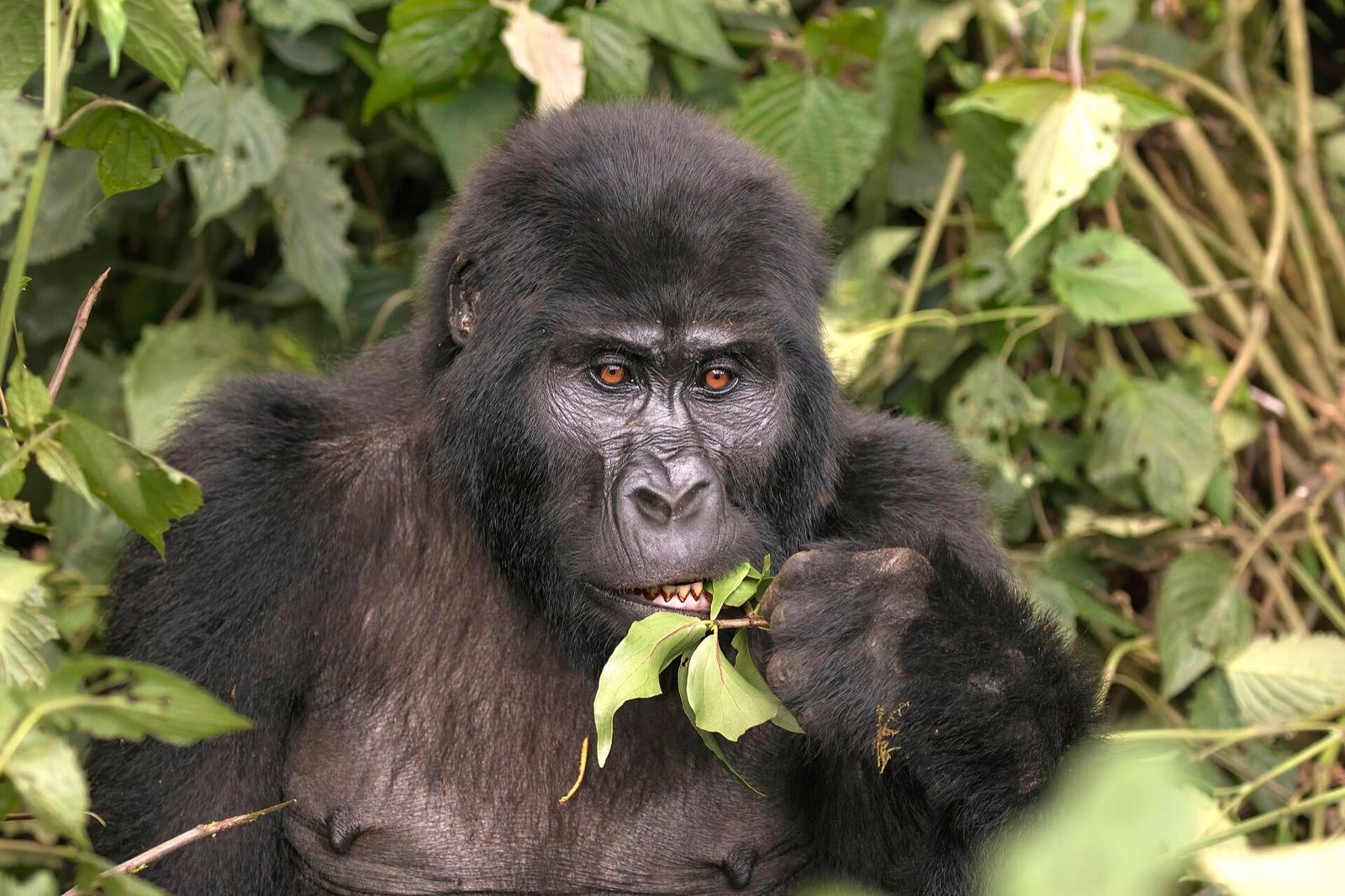
When Is the Best Time to See Baby Gorillas in Rwanda?
Gorillas breed year round, so there is no season — but some families are far better bets than others.
 Eben Safari Tours Team3 min read
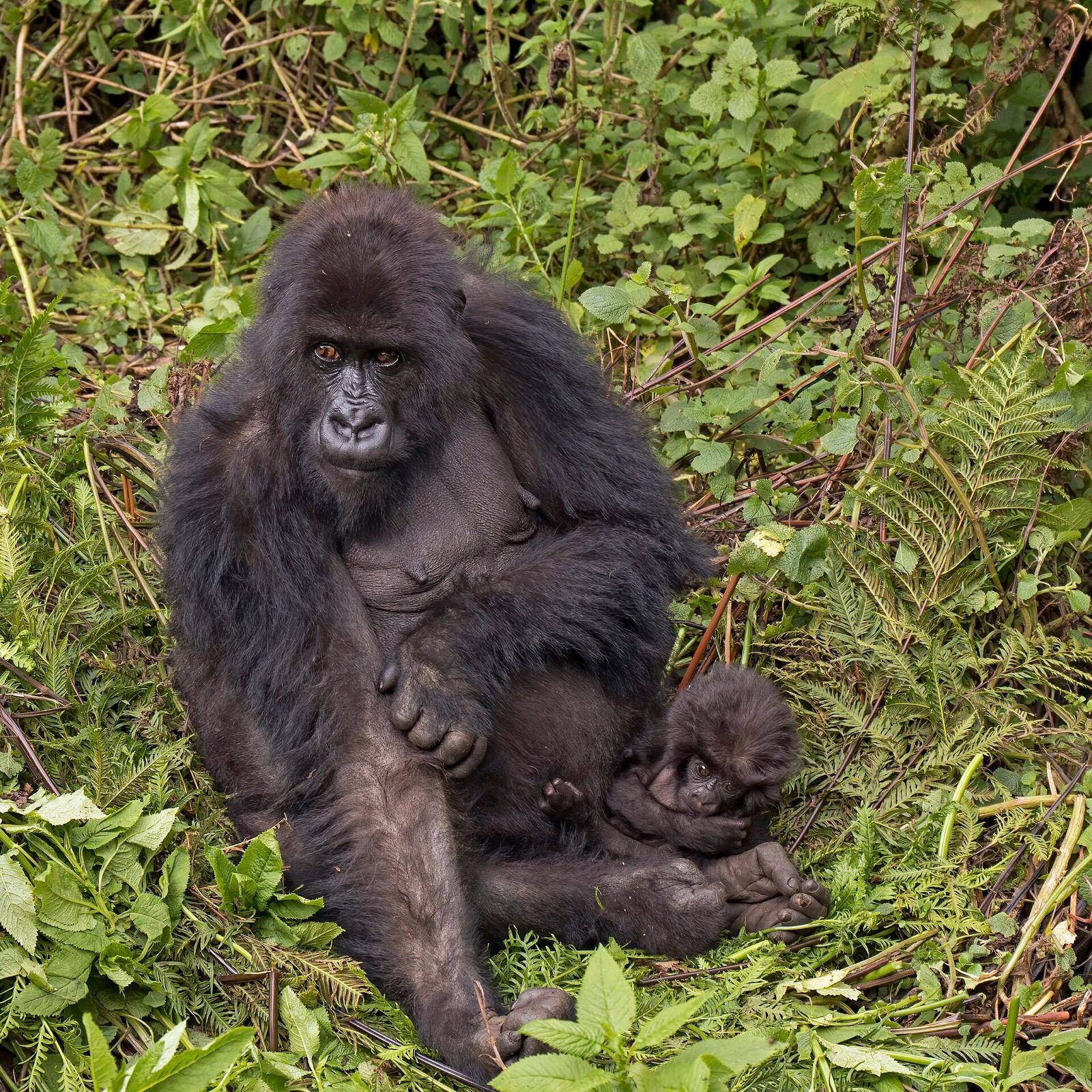
The short version: no season
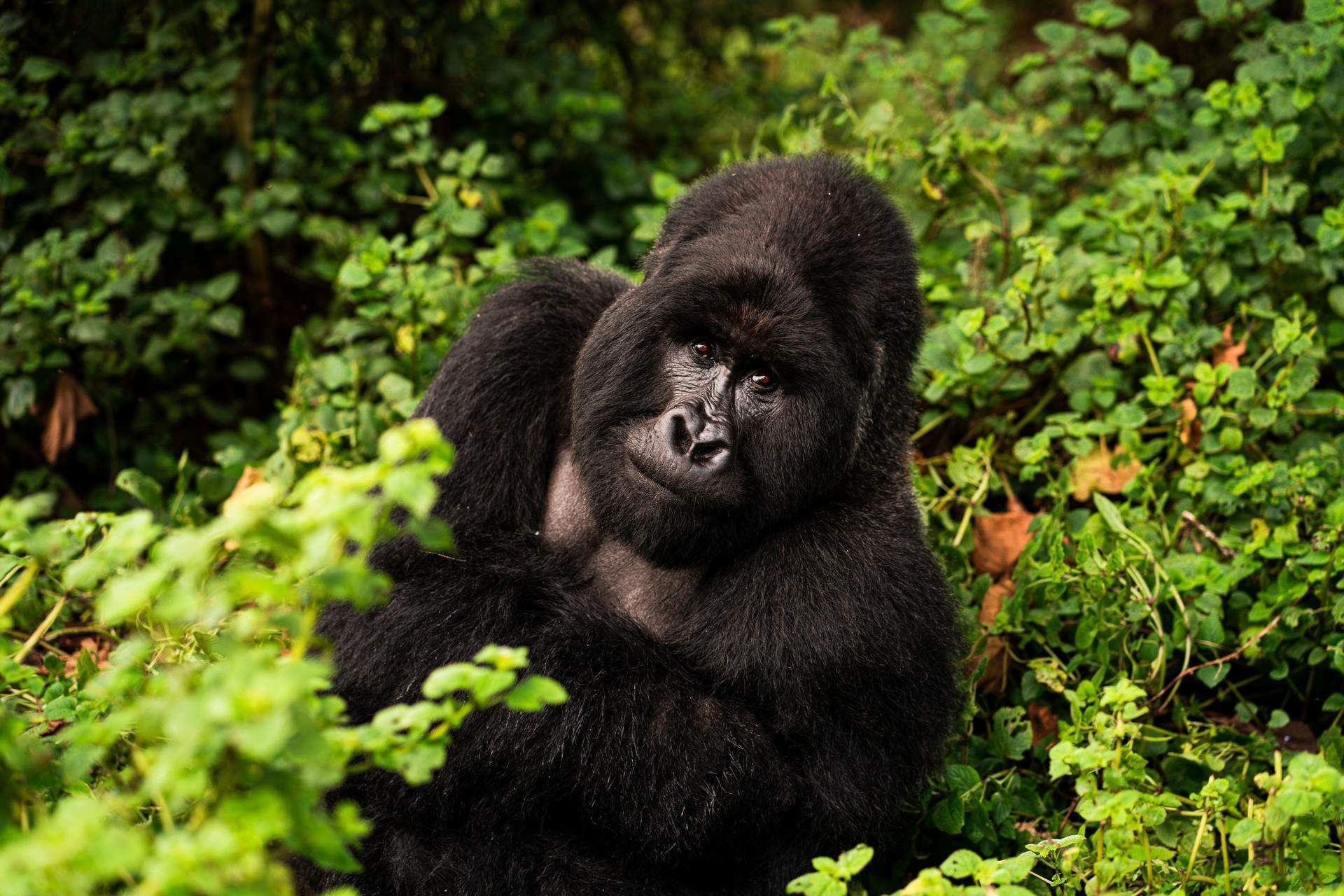
Mountain gorillas do not have a breeding season. Gestation is about 8.5 months, females have their first infant at around 10 years old and then roughly one every four years, and births happen in any month.
So the question is not when to come. It is which family you are allocated.
How many infants are there?
Across the Virunga Massif, roughly 20–30 babies are born each year to the habituated and monitored families. In Rwanda, each year's newborns are named at Kwita Izina, the national naming ceremony, which gives a useful public count.
In practice, most habituated families of 10–30 individuals will have at least one infant or juvenile at any time, and many have several.
Which families to ask for
This changes constantly as babies are born and juveniles grow up, so the useful move is to ask at the briefing, not to pick months in advance.
Families that have historically had reliable numbers of young:
- Susa — the largest family, and historically rich in infants. Also the hardest trek.
- Hirwa — famously produced twins in 2011.
- Amahoro — a large, calm group, usually with juveniles.
- Agashya — large and productive.
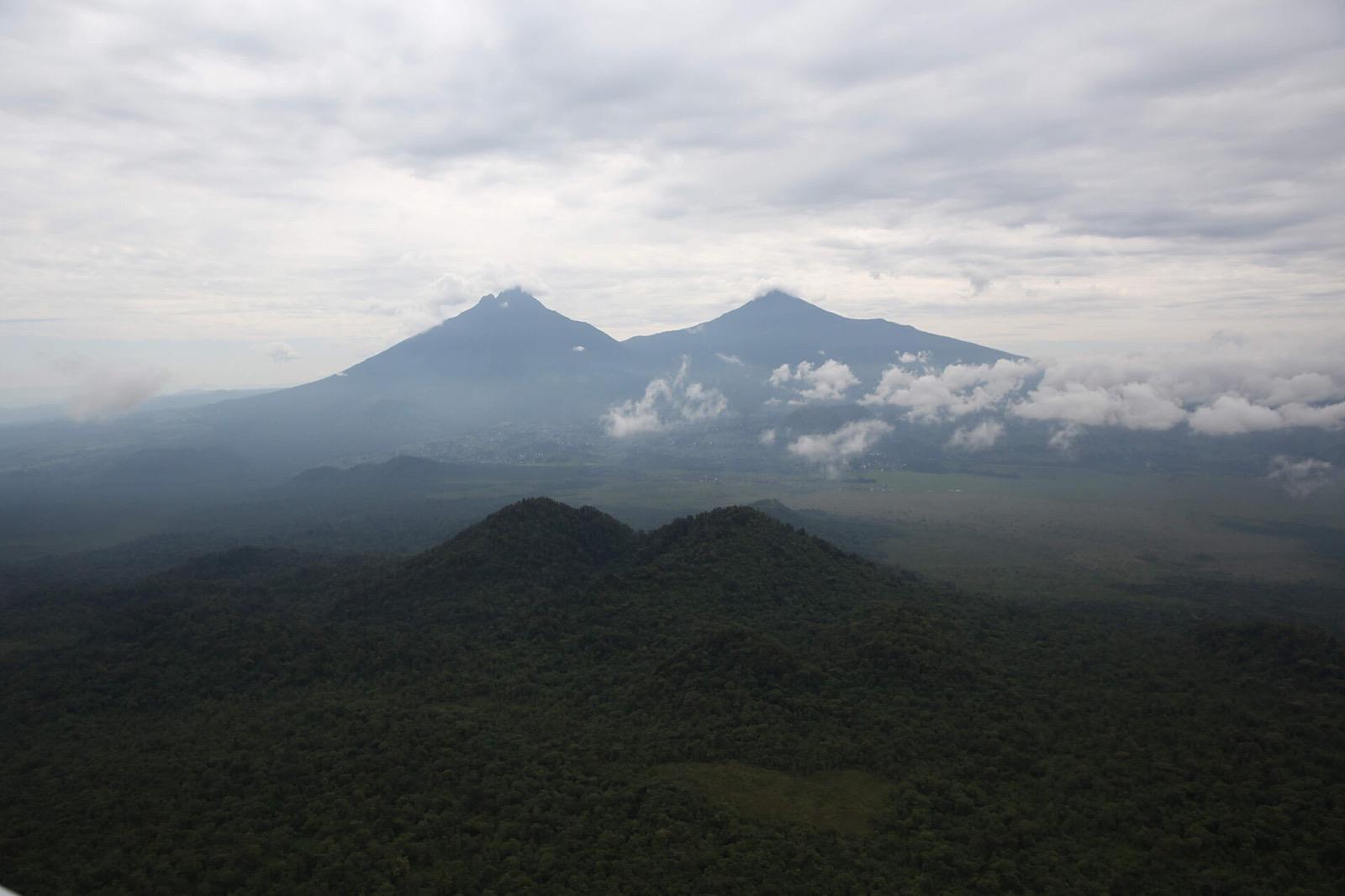
- Kwitonda — large group on Muhabura's slopes.
Your driver-guide can ask the rangers the night before or at the 07:00 briefing which families currently have the youngest infants, and put that preference to the warden. This is a concrete reason to use a well-connected local guide.
See the 12 gorilla families of Volcanoes National Park.
What babies actually do
This is the good part. Infant and juvenile gorillas are the reason most people's hour disappears:
- Under 4 months: clinging to their mother's chest, barely visible.
- 4 months to 1 year: riding jockey-style on her back, starting to crawl off and explore.
- 1–3 years: wrestling, falling out of low trees, chest-beating practice, climbing all over an entirely unbothered silverback, stealing food and being told off.
- 3–6 years: full-blown play fighting, long chases through vegetation.
A juvenile swinging on a bamboo stem until it bends to the ground, then doing it again, is the single most reliably delightful thing in Volcanoes National Park.
Kwita Izina
Rwanda's annual gorilla naming ceremony, usually held in September at Kinigi. Every infant born in the past twelve months is given a Kinyarwanda name in front of a crowd that regularly exceeds 30,000, with namers drawn from conservationists, researchers, Rwandan figures and international guests.
Attendance is free. Book accommodation and permits 6–8 months ahead — it is the busiest week in the Rwandan tourism calendar.
Practical tips for seeing and photographing infants
- Tell your guide this is your priority when you book, and again the night before.
- Request a large family. More individuals, better odds.
- Stay still and low. Juveniles are curious and will come closer to people who are not moving.
- Shoot at a fast shutter speed — 1/250 s or faster. Babies do not hold still.
- High ISO. Forest light is poor and flash is strictly forbidden.
- A 70–200 mm zoom is the right lens. Longer primes are hard to use at seven metres in dense vegetation.
- Put the camera down for the second half of the hour. You will see more.
More in gorilla trekking photography tips.
One important rule
If an infant approaches you — and they do — stay still, do not reach out, do not touch. The 7-metre rule is yours to keep even when the gorilla breaks it. Mothers and silverbacks watch closely, and the ranger will manage the situation.
And a dose of realism
You may be allocated a family whose youngest is four years old. The hour will still be extraordinary. Nobody comes down that mountain disappointed because the babies were a bit older than they hoped.
Tell us at booking that infants matter to you and our guides will put the case at the briefing.
Frequently asked questions
Is there a season for baby gorillas in Rwanda?
No. Mountain gorillas breed year-round, with females having an infant roughly every four years. Which family you are allocated matters far more than the month you visit.
Which gorilla family in Rwanda has the most babies?
It changes constantly. Susa, Hirwa, Amahoro and Agashya have historically had good numbers of young — ask your guide at the 07:00 Kinigi briefing which families currently have infants.
What is Kwita Izina?
Rwanda's annual gorilla naming ceremony, usually in September at Kinigi, where every mountain gorilla infant born in the past year is given a Kinyarwanda name. Attendance is free.

Written by the Eben Safari Tours team
We are a Kigali-based tour operator, guiding travellers through Rwanda, Uganda, Kenya and Tanzania since 2015. Our guides trek with the gorillas, drive Akagera and climb the volcanoes every week, and we update these guides whenever rules or prices change.