Is Gorilla Trekking Safe? Risks, Rangers and What Actually Happens
Gorillas are not the risk. Wet volcanic soil, stinging nettles and the occasional buffalo are. Here is the honest picture.
 Eben Safari Tours TeamUpdated 3 min read
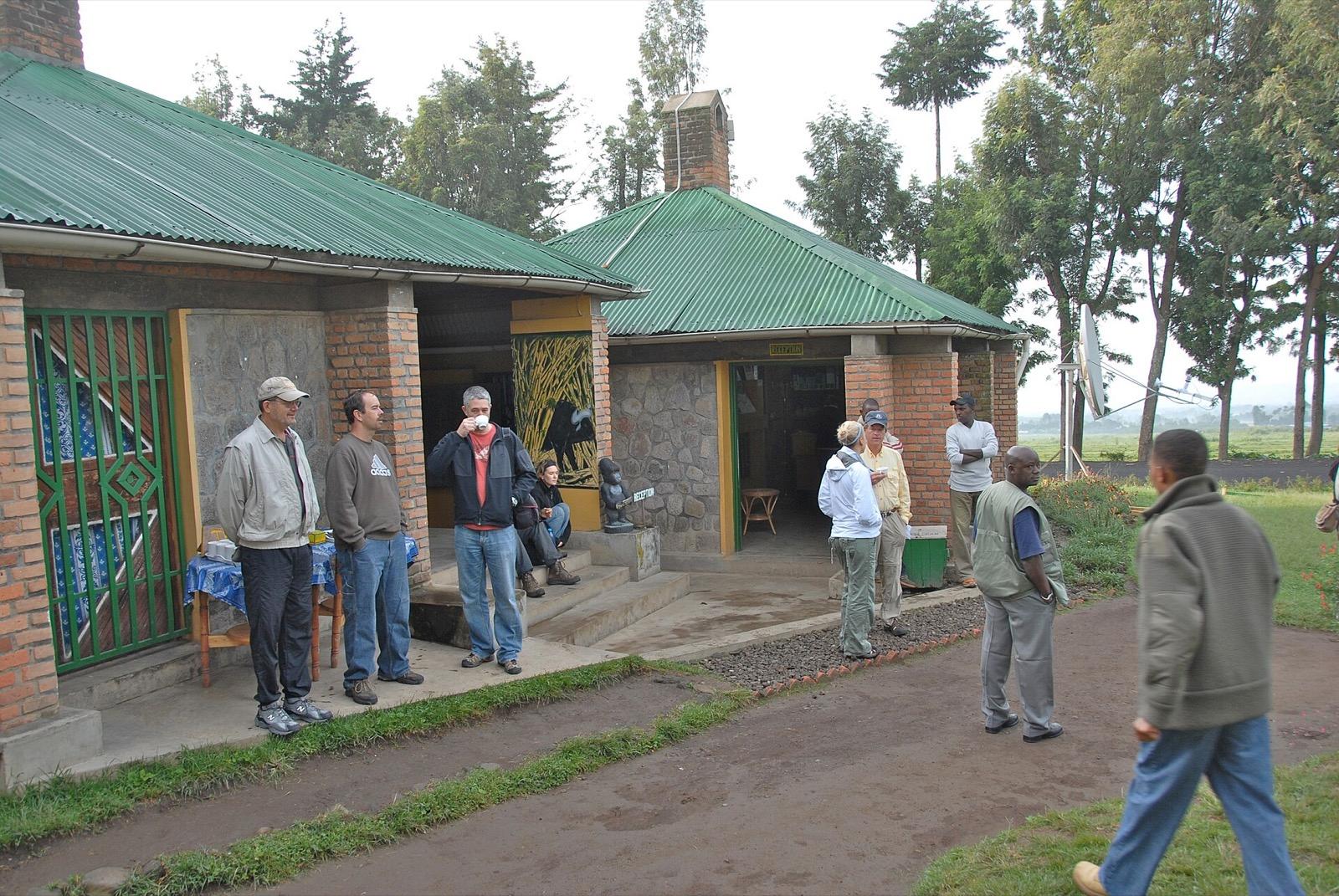
Travellers ask this expecting us to say "of course it is safe", so here is a more useful answer: what can actually go wrong, how likely it is, and what is in place to deal with it.
Are the gorillas dangerous?
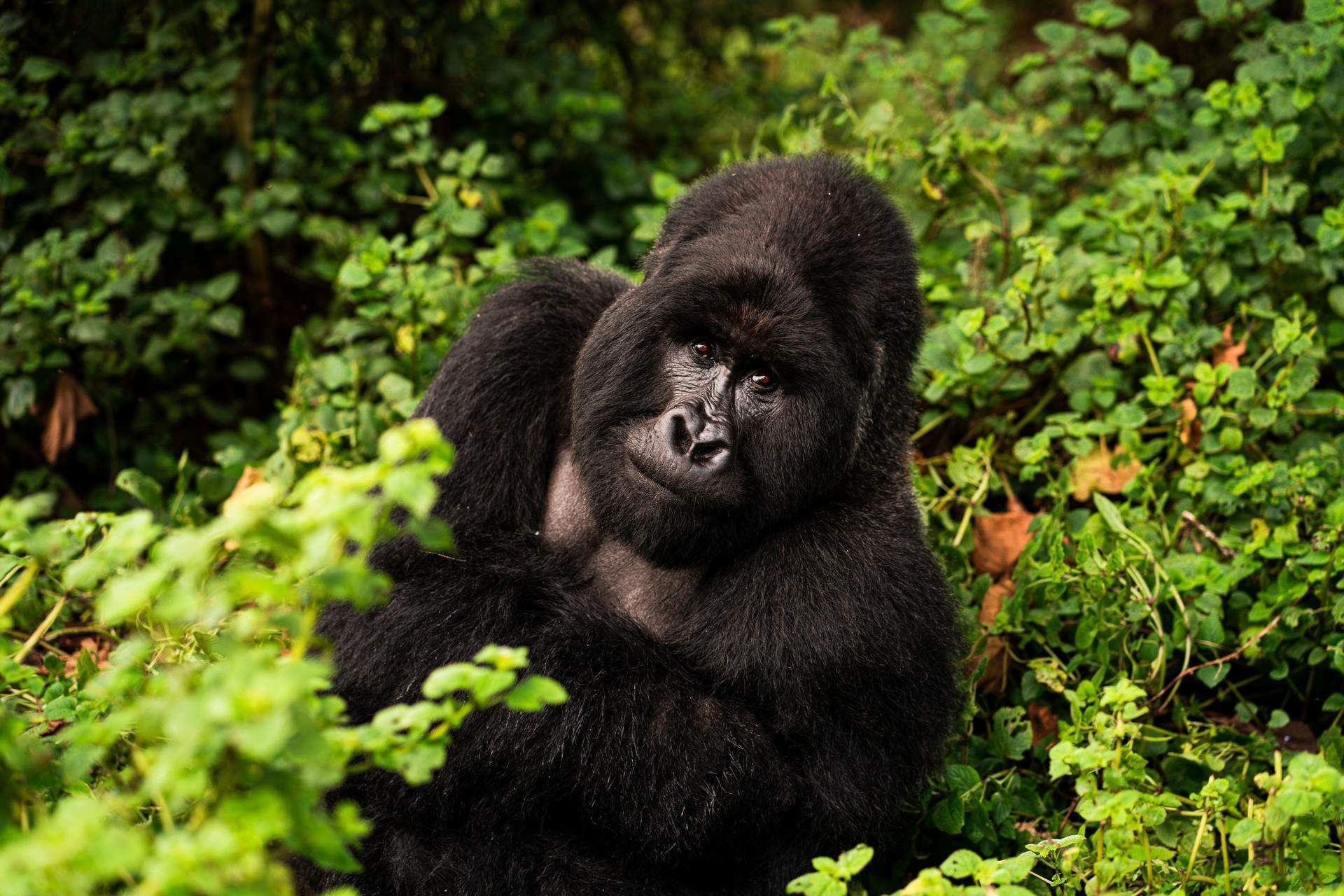
They are 200 kg wild animals, so the honest answer is that they could be. In practice, they are not.
Habituated families in Volcanoes National Park have been visited by small groups of people every day for over forty years. There has never been a tourist fatality from a gorilla in Rwanda. Serious injuries are extraordinarily rare and are almost always traced to a visitor breaking a rule — approaching too close, using flash, running.
Mountain gorillas are herbivores with no reason to attack you. A silverback's chest-beating display is an announcement, not a prelude. The correct response is to crouch, look down and stay still, and the ranger will manage it. See gorilla trekking rules and etiquette.
The actual risks, ranked
1. Falling
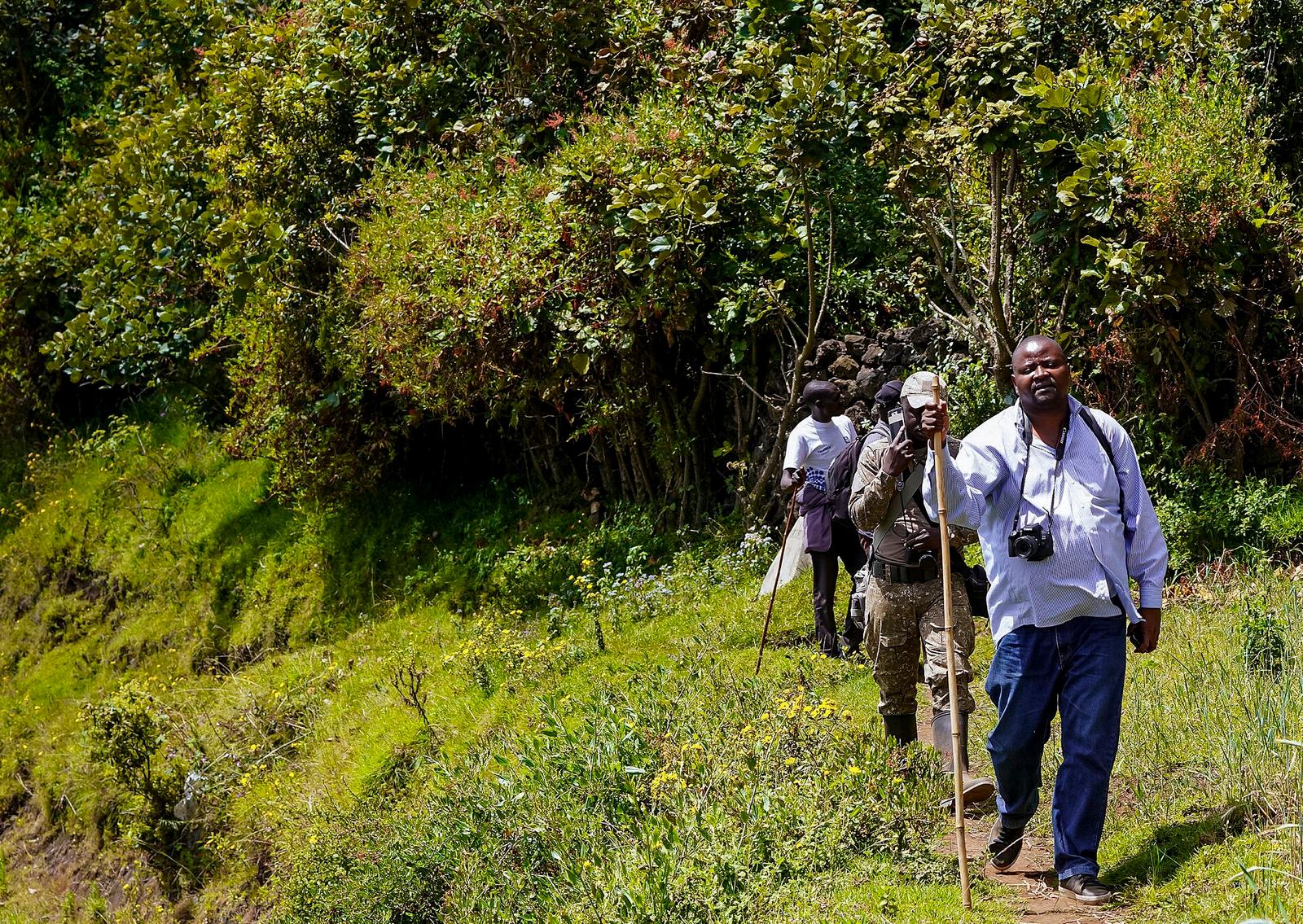
By far the most common cause of injury. Wet volcanic soil on a steep slope, with roots and buried stones under the vegetation. Twisted ankles and badly bruised dignity are the standard outcomes.
Mitigation: proper boots with ankle support, walking poles, a porter's hand on the steep sections, and walking slowly on the descent.
2. Stinging nettles
Urtica grows waist-high through much of the park and it is vicious. Bare arms and ankles will suffer for a day.
Mitigation: long trousers tucked into socks, long sleeves, gardening gloves. Non-negotiable.
3. Altitude and exertion
2,400–3,000 m is enough to make a steep climb much harder than it would be at home. Travellers with heart or respiratory conditions should talk to their doctor.
Mitigation: train beforehand, arrive a day early, go slowly, hire a porter.
4. Forest buffalo and elephant
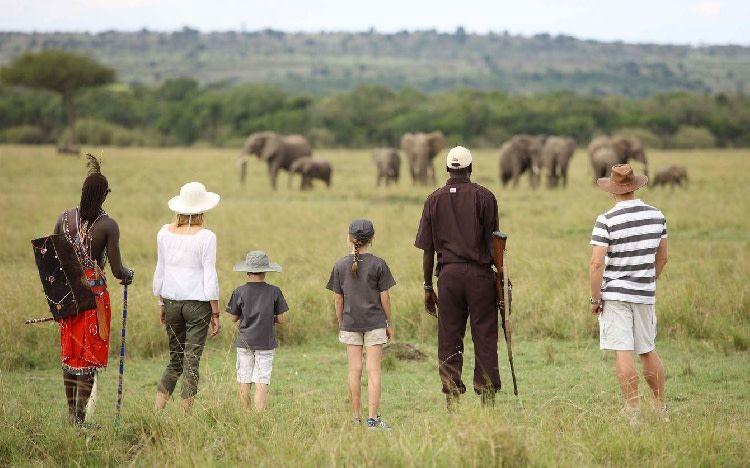
This is why your group has an armed ranger. African forest buffalo are genuinely dangerous and occasionally encountered on the approach. The rangers' rifles are for them, not the gorillas, and they are almost never fired — a warning shot in the air is enough.
Mitigation: stay with the group and follow the ranger immediately.
5. Weather
Cold rain at altitude, and hail is possible. Hypothermia is a real if unlikely risk if you are soaked and stationary for an hour.
Mitigation: a genuine rain jacket, a spare dry layer in a dry bag.
6. Disease transmission — to the gorillas
The biggest safety issue on the mountain is not yours. Do not trek with any contagious illness.
Who is with you
- 1 ranger guide per group of eight.
- 2 armed scouts, for buffalo and elephant.
- 2+ trackers who have been with your gorilla family since dawn.
- Porters, one per visitor who wants one.
That is roughly a one-to-one ratio of staff to visitors, all of whom know the forest intimately.
Medical and evacuation
Carry your own small first aid kit. Musanze has a district hospital 30 minutes from the park; Kigali has King Faisal Hospital, the best in the region, 2.5 hours away.
For serious incidents, medical evacuation is by road or helicopter to Kigali or Nairobi, and it is expensive. This is exactly why we insist on travel insurance that covers trekking to 3,000 m and medical evacuation.
Is Rwanda itself safe?
Yes. Rwanda is consistently ranked among the safest countries in Africa. Violent crime against tourists is rare, the police presence is visible, and Kigali is comfortable to walk in at night. See is Rwanda safe for tourists.
The bottom line
Gorilla trekking is a guided walk in a national park with a very high staff-to-visitor ratio and a strict rulebook. The risks are the ordinary risks of hill walking in wet conditions, plus altitude. Wear the right boots, hire the porter, follow the ranger, and you will be fine.
Frequently asked questions
Has anyone been killed by a gorilla while trekking?
There has never been a tourist fatality from a gorilla in Rwanda's Volcanoes National Park. Habituated families have been visited daily for over forty years, and serious injuries are extremely rare.
Why do rangers carry guns on gorilla treks?
For forest buffalo and elephant, which are genuinely dangerous and occasionally met on the approach — not for the gorillas. Warning shots in the air are almost always sufficient.
What is the most common injury on a gorilla trek?
A slip or twisted ankle on wet volcanic ground, followed by nettle stings. Waterproof boots with ankle support, walking poles and gardening gloves prevent most of it.

Written by the Eben Safari Tours team
We are a Kigali-based tour operator, guiding travellers through Rwanda, Uganda, Kenya and Tanzania since 2015. Our guides trek with the gorillas, drive Akagera and climb the volcanoes every week, and we update these guides whenever rules or prices change.