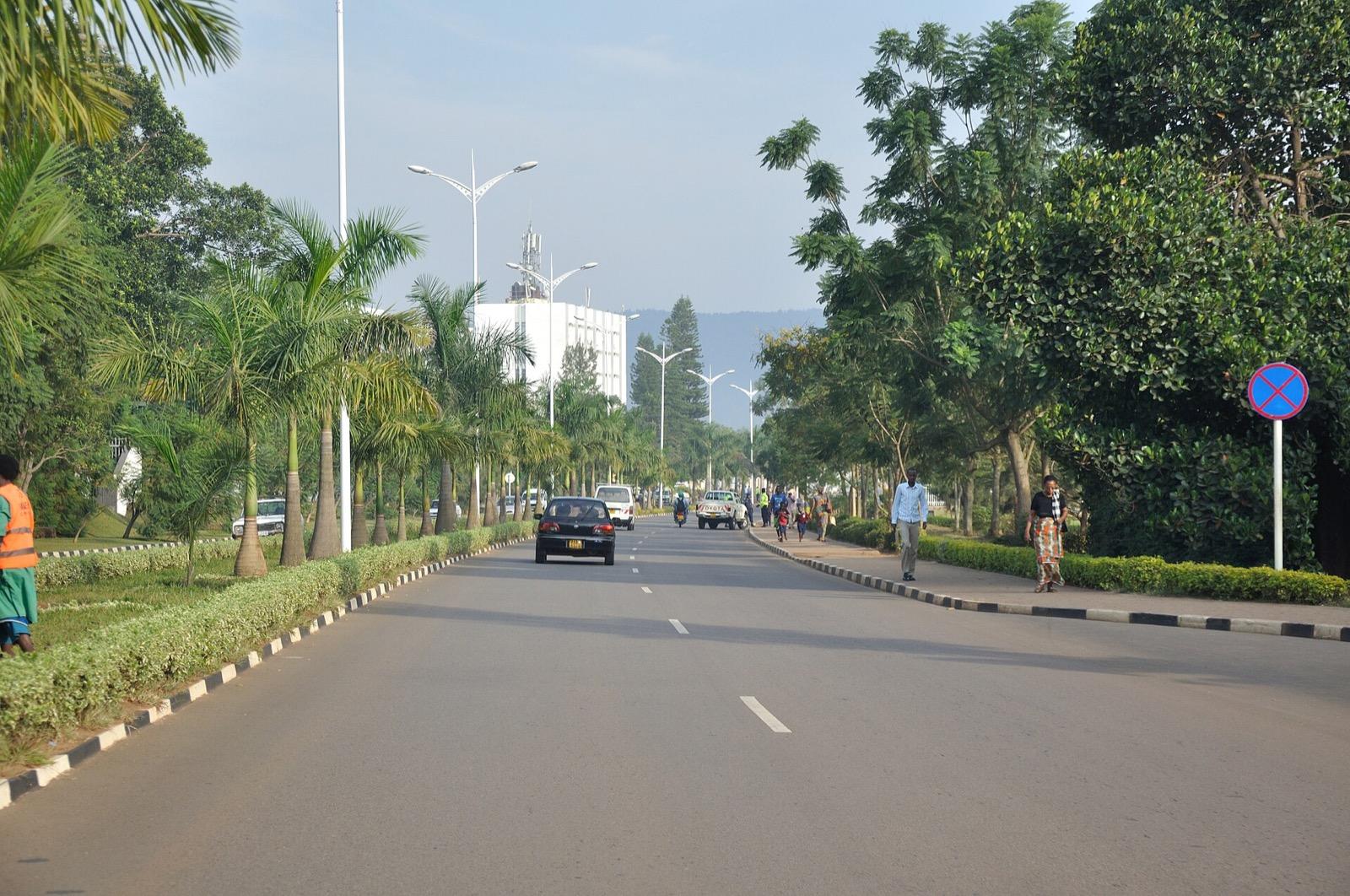
What Should You Pack for Rwanda? A Complete Checklist
Rwanda is warm in Kigali, cold on the volcanoes and wet almost everywhere. Pack for three climates, and leave the plastic bags at home.
 Eben Safari Tours Team3 min read
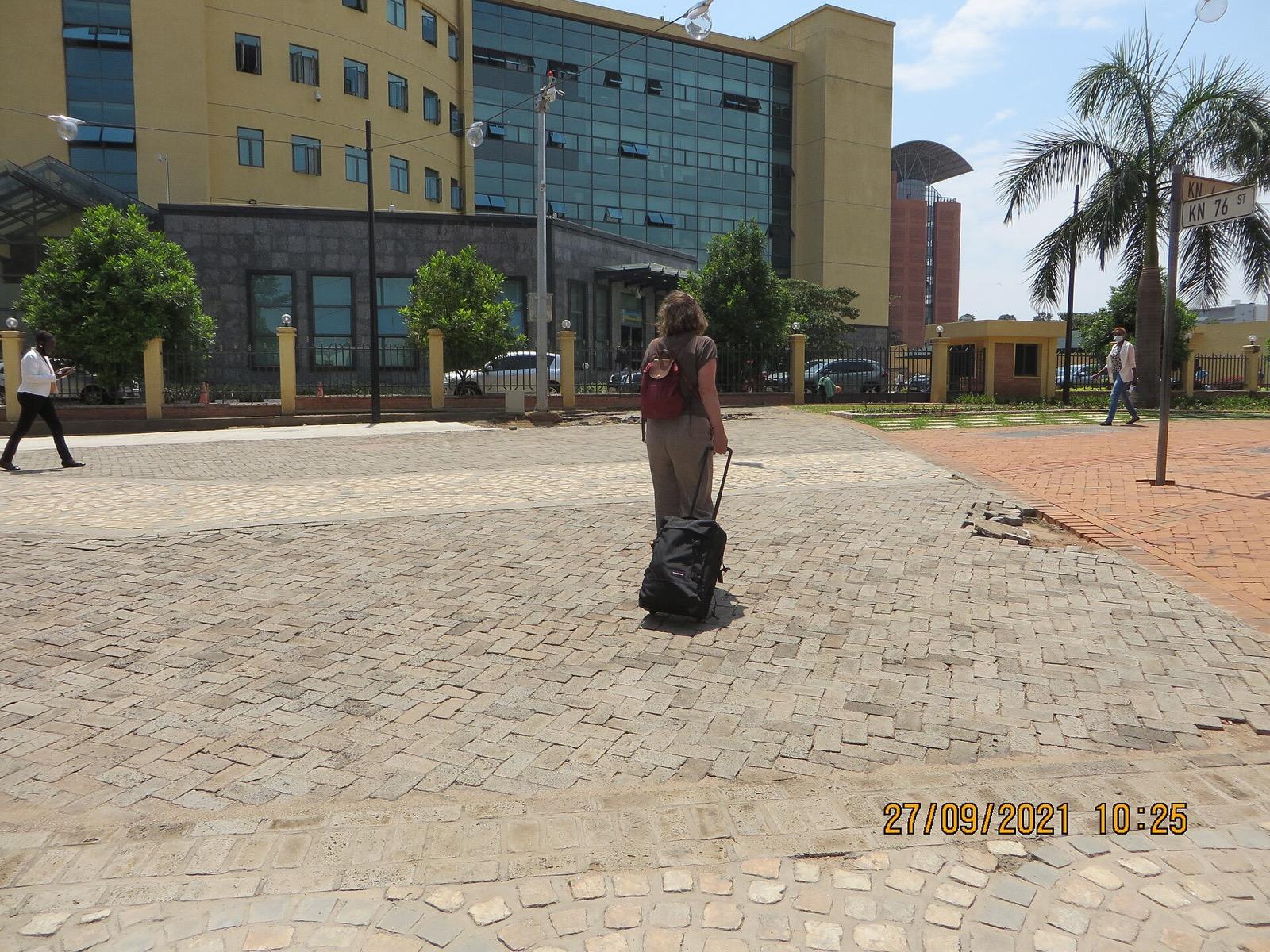
First, the rule that catches everyone
Rwanda banned single-use plastic bags in 2008. They are confiscated at the airport. Repack toiletries in fabric or mesh bags, and use dry bags rather than bin liners. Resealable food bags are also prohibited in principle — bring reusable alternatives.
Clothing
Rwanda's altitude varies more than its latitude suggests.
| Place | Altitude | Day temp |
|---|---|---|
| Kigali | 1,567 m | 20–28 °C |
| Lake Kivu | 1,460 m | 22–30 °C |
| Akagera | 1,300 m | 25–32 °C |
| Musanze / Kinigi | 1,850–2,300 m | 15–24 °C |
| On a gorilla trek | 2,400–3,000 m | 10–20 °C |
Bring:
- 3–4 light shirts or T-shirts, breathable
- 2 long-sleeved shirts (sun, insects, nettles)
- 2 pairs of long trousers — one lightweight, one you do not mind destroying
- 1 fleece or warm mid-layer — essential, the volcanoes are cold
- 1 genuine waterproof jacket, not a windbreaker
- Shorts and swimwear for Lake Kivu and Akagera
- One smart-casual outfit. Rwandans dress well, and shabby dress is noticed in cities, churches and memorials.
- Sun hat and sunglasses
- Warm socks for lodge evenings
Gorilla and chimp trekking kit
- Waterproof hiking boots with ankle support, broken in. Non-negotiable.
- Gaiters — the best wet-season item you will own
- Gardening gloves — for stinging nettles and grabbing wet branches
- Long trousers you can tuck into socks
- A small daypack your porter can carry
- 2 litres of water capacity
- Energy snacks
- A dry bag for camera gear
- Walking poles if your knees want them
- Surgical masks — periodically required with the gorillas
Full detail in what to pack for gorilla trekking.
Documents
- Passport, valid 6+ months, two blank pages
- Visa or East Africa Tourist Visa confirmation
- Yellow fever certificate if arriving via an endemic country
- Travel insurance documents, printed
- Gorilla permit copy
- International driving permit if self-driving
- Photocopies and digital copies of everything, stored separately
Money
- Clean US dollar notes printed in 2013 or later. Older, torn or marked notes are routinely refused.
- A good mix of small denominations for tips and porters
- One or two cards — Visa works more widely than Mastercard; Amex is rarely accepted
- See Rwanda currency and money exchange
Electronics
- Universal adapter — Rwanda uses 230V, type C and J (European round pins)
- Power bank. Lodge power can be solar and limited
- Camera with a 70–200 mm or similar mid-zoom. Long primes are hard to use in dense forest
- Spare batteries and cards. Cold drains batteries faster
- Headtorch for the Musanze caves and lodge paths
- Unlocked phone — an MTN or Airtel SIM costs a couple of dollars and data is cheap and fast
Health and toiletries
- Insect repellent with DEET
- Antimalarials for Akagera and lower-altitude areas — ask your doctor
- High-factor sunscreen. Equatorial sun at 2,500 m burns fast even when cool
- Rehydration salts
- Blister plasters, ibuprofen, antihistamine, antiseptic
- Any prescription medication in original packaging, with a copy of the prescription
- Hand sanitiser
- Water purification tablets or a filter bottle — tap water is not drinkable
What not to bring
- Plastic bags. Confiscated.
- Camouflage or military-pattern clothing. Restricted in Rwanda, as across much of East Africa.
- Drones without a permit from the Rwanda Civil Aviation Authority.
- Excessive jewellery.
- A huge hard suitcase. A soft duffel is far easier in a 4x4.
Season adjustments
Wet season (Mar–May, Oct–Nov): gaiters, waterproof over-trousers, a second pair of boots or shoes, extra socks, a complete dry change left in the vehicle.
Dry season (Jun–Sep, Dec–Feb): more sunscreen, a buff for dust on Akagera game drives.
Frequently asked questions
What should I wear in Rwanda?
Light breathable clothing for Kigali and Akagera, warm layers and a waterproof jacket for the volcanoes, and smart-casual for cities — Rwandans dress well and scruffy clothing is noticed.
Are plastic bags really banned in Rwanda?
Yes, since 2008. Single-use plastic bags are confiscated at the airport. Use fabric, mesh or dry bags for packing instead.
What plug adapter do I need for Rwanda?
Rwanda uses 230V with type C and type J sockets — European round-pin plugs. A universal adapter covers it.

Written by the Eben Safari Tours team
We are a Kigali-based tour operator, guiding travellers through Rwanda, Uganda, Kenya and Tanzania since 2015. Our guides trek with the gorillas, drive Akagera and climb the volcanoes every week, and we update these guides whenever rules or prices change.