Rwanda History Tours: Museums, Memorials and Royal Sites
The memorials, the royal palace and the best museum in East Africa — and how to visit them with the care they require.
 Eben Safari Tours Team3 min read
Rwanda's history is older and larger than 1994, but you cannot understand the country without confronting it. Visit with care.
The Kigali Genocide Memorial
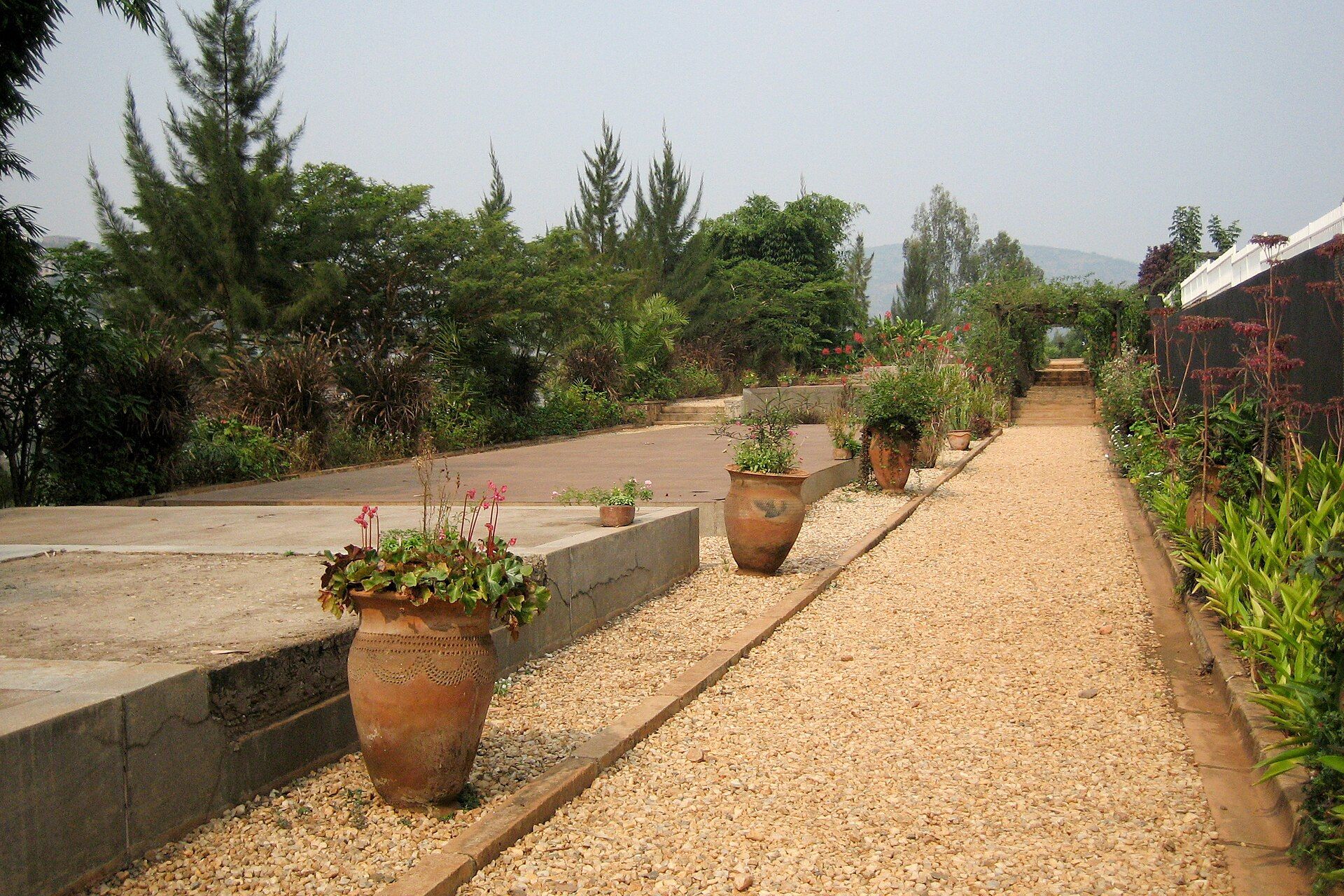
The most important place in Rwanda. More than 250,000 people are buried in mass graves in the gardens. The permanent exhibition covers the roots of the genocide, the hundred days of 1994, and the international failure to respond. An upper gallery documents other genocides of the twentieth century. A children's room commemorates individual victims by name, with their favourite foods and games.
| Where | Gisozi, Kigali |
| Cost | Free; donations welcomed. Audio guide ~US$15 |
| Time | 2–3 hours minimum |
| Photography | Prohibited inside |
| Dress | Smart and modest |
It is not an easy visit. Most people are silent for some time afterwards. Almost every visitor says it was the most important thing they did in Rwanda.
Nyamata and Ntarama church memorials
About 30–45 minutes south of Kigali in Bugesera. Two Catholic churches where thousands sought refuge and were killed. Both have been left substantially as they were found — clothing, possessions and remains on display.
These are far more confronting than Kigali. Guides are survivors. Go only if you are ready, and treat it with absolute respect.
Murambi Genocide Memorial
Near Huye in the south, at a former technical school where approximately 50,000 people were killed. Lime-preserved remains are displayed in several classrooms. It is the most difficult site in Rwanda to visit and is not recommended for children or for anyone uncertain about it.
Campaign Against Genocide Museum, Kigali
Inside the Parliament building. Tells the military history of the Rwandan Patriotic Front's campaign that ended the genocide, including the story of the 600 soldiers stationed in the parliament building itself. A different and less-visited perspective. Shell damage to the building has been preserved.
King's Palace Museum, Nyanza
Rwanda's pre-colonial monarchy, which ruled for centuries before German and Belgian rule. Two buildings: a reconstruction of the traditional royal residence — an enormous dome of woven grass and wood — and the 1930s colonial-era palace of King Mutara III Rudahigwa.
The highlight is the Inyambo, the royal long-horned cattle with horns up to 2.4 m across, descendants of the king's herd. Herders sing to them and the cattle respond by approaching. It is extraordinary.
US$8, about 1.5 hours, 2.5 hours from Kigali. Combine with Huye.
Ethnographic Museum, Huye (Butare)
Widely regarded as the best museum in East Africa. A gift from Belgium at independence in 1962, with seven galleries covering Rwandan geology, agriculture, crafts, hunting, dress, architecture and ritual life.
Particularly good on traditional housing, basketry, pottery, musical instruments and the social organisation of pre-colonial Rwanda. US$8, 2 hours.
Kandt House Museum of Natural History, Kigali
The residence of Richard Kandt, the first German colonial resident. Covers Rwanda's natural history and the colonial period, which is otherwise under-represented in Rwandan museums.
Rwanda Art Museum, Kanombe
The former presidential palace of Juvénal Habyarimana, now an art museum. The wreckage of the presidential aircraft shot down on 6 April 1994 — the event that triggered the genocide — remains in the garden.
Nyanza, Rukari and the royal sites
Beyond the King's Palace, the Nyanza area holds the royal tombs at Rukari and the Rwesero Art Museum, giving a fuller picture of the monarchy.
How to visit responsibly
- Dress smartly and modestly at all memorials.
- No photography inside memorial exhibitions.
- Speak quietly. Do not smile for photographs outside memorials.
- Use the correct terminology: "the 1994 genocide against the Tutsi".
- Do not ask Rwandans whether they are Hutu or Tutsi. Ethnic identification was abolished; the question is deeply offensive.
- Do not ask individuals about their personal experience unless they raise it.
- Kwibuka, the hundred-day commemoration beginning 7 April, is a solemn national period. Be especially careful then.
- Allow recovery time. Do not schedule a memorial and a celebratory dinner on the same evening.
A history itinerary
Day 1 — Kigali: Genocide Memorial (morning), Campaign Against Genocide Museum (afternoon). Day 2 — Nyamata and Ntarama, then drive south to Huye. Day 3 — Ethnographic Museum, then Nyanza: King's Palace and the Inyambo cattle. Day 4 — Murambi, if you are ready for it, then back to Kigali.
Our 1-Day Kigali City Tour covers the capital's sites, and longer itineraries can include the south.
Ask us to build a history-focused itinerary with guides who know how to lead these visits well.
Frequently asked questions
Should I visit the Kigali Genocide Memorial?
Yes. It is free, takes two to three hours, and almost every visitor describes it as the most important thing they did in Rwanda. Dress modestly, photography is prohibited inside, and allow recovery time afterwards.
What is the best museum in Rwanda?
The Ethnographic Museum in Huye, widely regarded as the best in East Africa, with seven galleries on Rwandan geology, crafts, dress, architecture and ritual life.
How should you talk about the genocide in Rwanda?
Use the official terminology, 'the 1994 genocide against the Tutsi'. Never ask whether someone is Hutu or Tutsi — ethnic identification was abolished and the question is deeply offensive.

Written by the Eben Safari Tours team
We are a Kigali-based tour operator, guiding travellers through Rwanda, Uganda, Kenya and Tanzania since 2015. Our guides trek with the gorillas, drive Akagera and climb the volcanoes every week, and we update these guides whenever rules or prices change.