How Do Weather Conditions Affect Gorilla Trekking?
It can rain on any day of the year. What matters is whether you are dressed for it.
 Eben Safari Tours Team3 min read
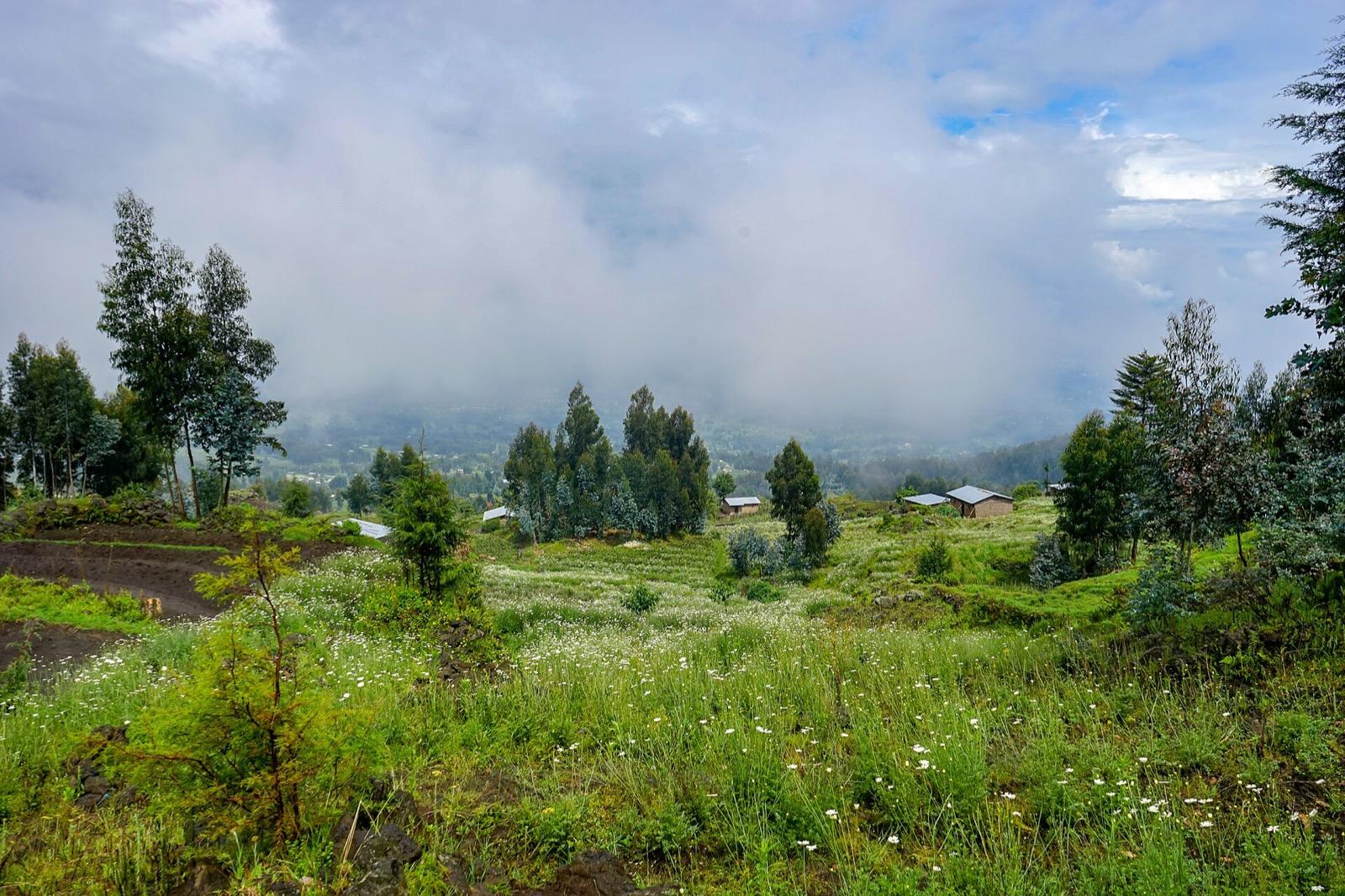
The climate at trekking altitude
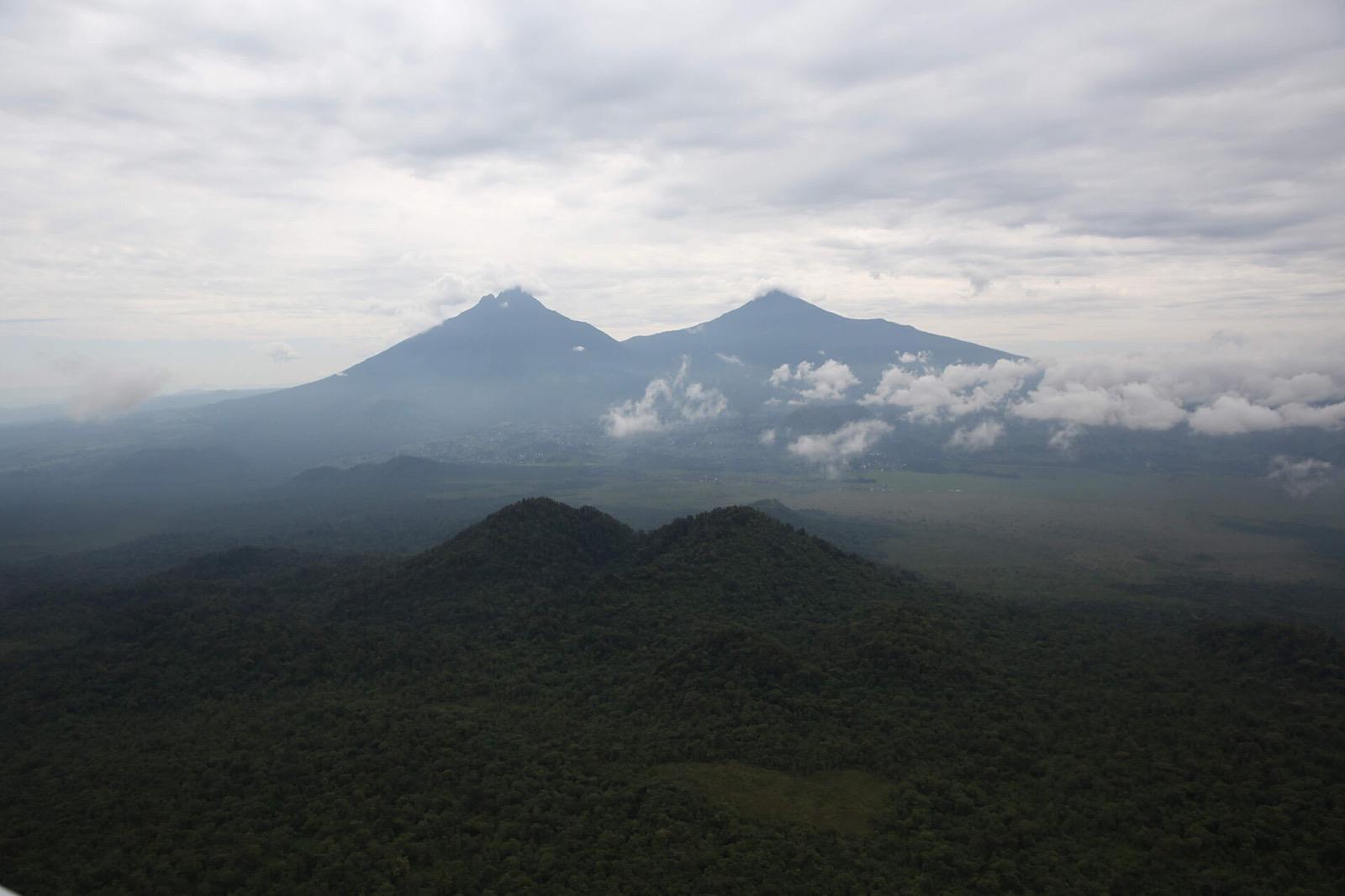
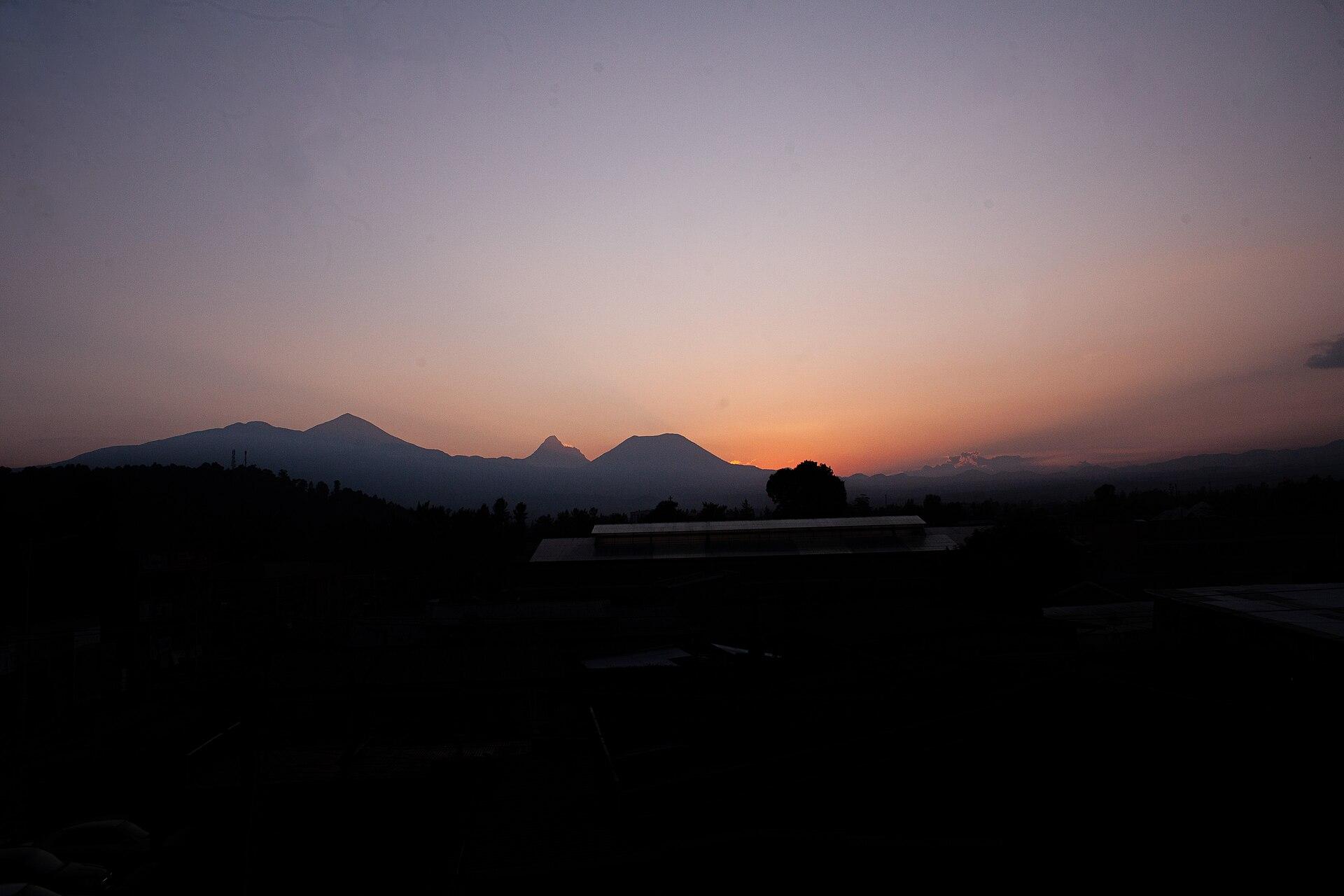
Volcanoes National Park sits at 2,400 m at the gate and treks climb to 3,000 m. Rwanda is two degrees south of the equator, so temperature barely changes across the year; rainfall does.
| Typical | |
|---|---|
| Daytime temperature at altitude | 10–20 °C |
| Night temperature in Kinigi | 8–12 °C |
| Humidity | High, year round |
| Rain | Possible any month |
It is cooler than people expect. Travellers arrive with safari clothes for 30 °C heat and spend the evening in front of the lodge fire.
Rwanda's four seasons
| Season | Months | Trail conditions |
|---|---|---|
| Long dry | June – September | Firmest. Peak demand. |
| Short rains | October – November | Afternoon showers; mornings often fine |
| Short dry | December – February | Good; busy at Christmas |
| Long rains | March – May | Wettest and muddiest; quietest |
What rain actually does
It makes the ground treacherous. Wet volcanic soil on a 35-degree slope is genuinely slippery. This is the main weather risk, and it is why boots with real tread and a porter's steady hand matter.
It does not stop the trek. Treks go ahead in rain. Rangers do not cancel for weather except in severe storms or landslide risk.
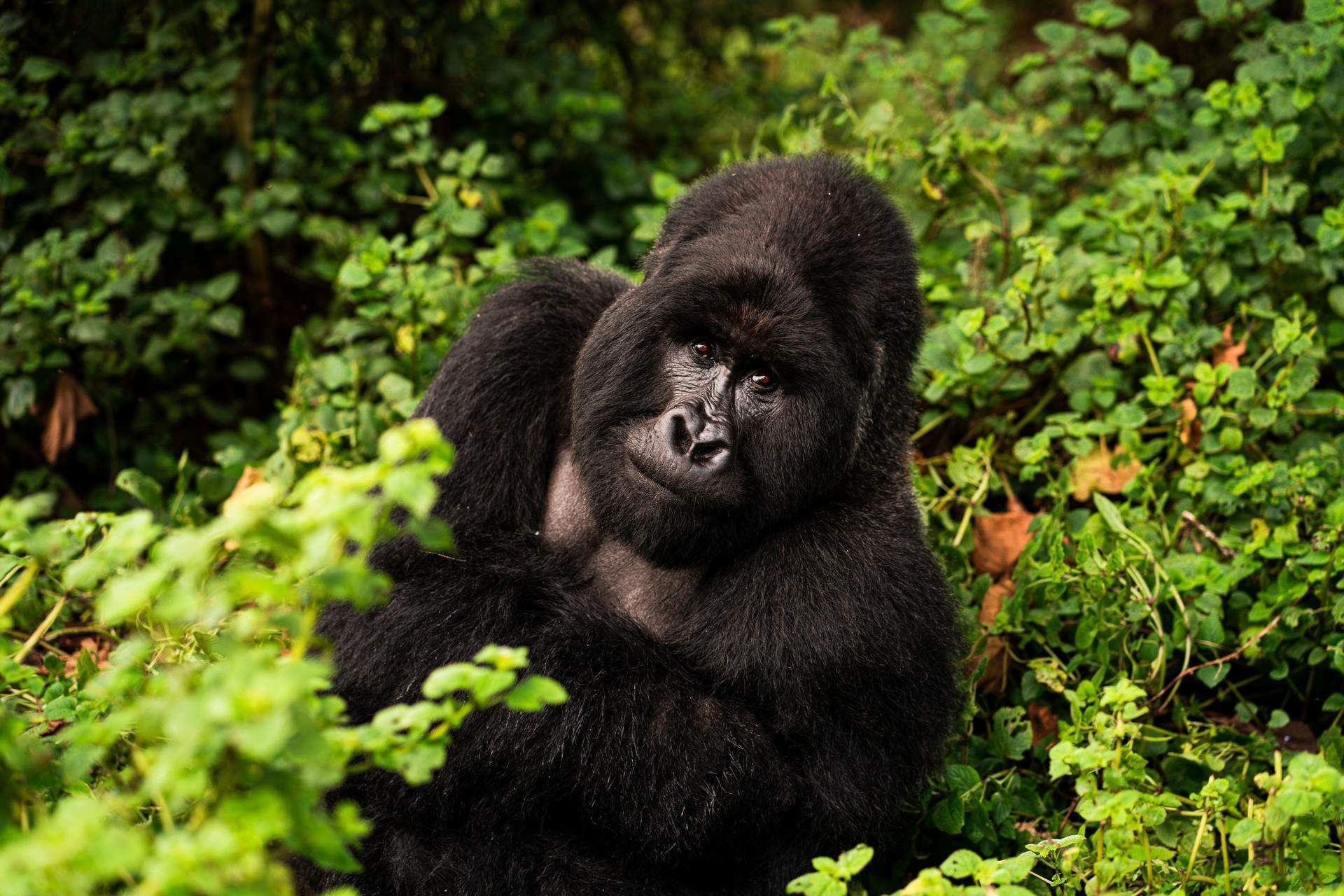
It can shorten the trek. Counterintuitively, wet seasons often mean easier treks. Bamboo shoots after rain, and gorillas descend to lower altitudes to eat them — meaning less climbing.
It changes the light. Overcast skies are diffuse and even, which is kinder for photography than harsh equatorial sun filtering through canopy. Serious photographers often prefer the wet season.
It brings mist. Which is beautiful, and the reason the phrase is "gorillas in the mist".
What to wear for each season
All year, non-negotiable:
- Waterproof hiking boots with ankle support and aggressive tread
- Long trousers you can tuck into socks
- Long-sleeved shirt
- Gardening gloves (for nettles and grabbing wet branches)
- A genuine waterproof jacket, not a windbreaker
- A warm mid-layer for the summit and for sitting still during the hour
Add in wet season:
- Gaiters. The single best wet-season item.
- Waterproof over-trousers
- A dry bag or rain cover for camera gear
- A complete change of clothes left in the vehicle
- Two pairs of socks
Add in dry season:
- Sun hat and sunscreen — at 2,500 m, equatorial sun burns quickly even when it feels cool
Full list: what to pack for gorilla trekking.
Does the forecast matter?
Not much. Mountain weather at the equator is extremely local and changes hourly. A forecast of rain in Musanze says little about what is happening on Sabyinyo's eastern flank at 09:00. Dress for rain every day; be pleased when it does not come.
Which season should you choose?
- Want the easiest walking and the best chance of dry feet? June–September or January–February.
- Want availability, lower prices and fewer people? March–May or October–November.
- Want the best photographs? Shoulder months, late September or early December.
The detail is in best time for gorilla trekking in Rwanda and peak vs off season.
Ask us what conditions are like right now — our guides are in the park every week.
Frequently asked questions
Does gorilla trekking happen in the rain?
Yes. Treks run every day of the year regardless of rain, and are only affected by severe storms or landslide risk. Waterproof boots, gaiters and a real rain jacket are essential.
How cold is it gorilla trekking in Rwanda?
Between 10 and 20 °C at trekking altitude during the day, and 8–12 °C at night in Kinigi. Bring a warm mid-layer — you will be sitting still for an hour with the gorillas.
Is the wet season bad for gorilla trekking?
Not at all. Trails are muddier, but gorillas descend for bamboo shoots so treks are often shorter, light is better for photography, permits are available and lodges discount heavily.

Written by the Eben Safari Tours team
We are a Kigali-based tour operator, guiding travellers through Rwanda, Uganda, Kenya and Tanzania since 2015. Our guides trek with the gorillas, drive Akagera and climb the volcanoes every week, and we update these guides whenever rules or prices change.