How to Train for Gorilla Trekking: A 6-Week Plan
You do not need to be an athlete. You do need to be able to walk uphill on bad ground for three hours. Here is how to get there.
 Eben Safari Tours TeamUpdated 3 min read
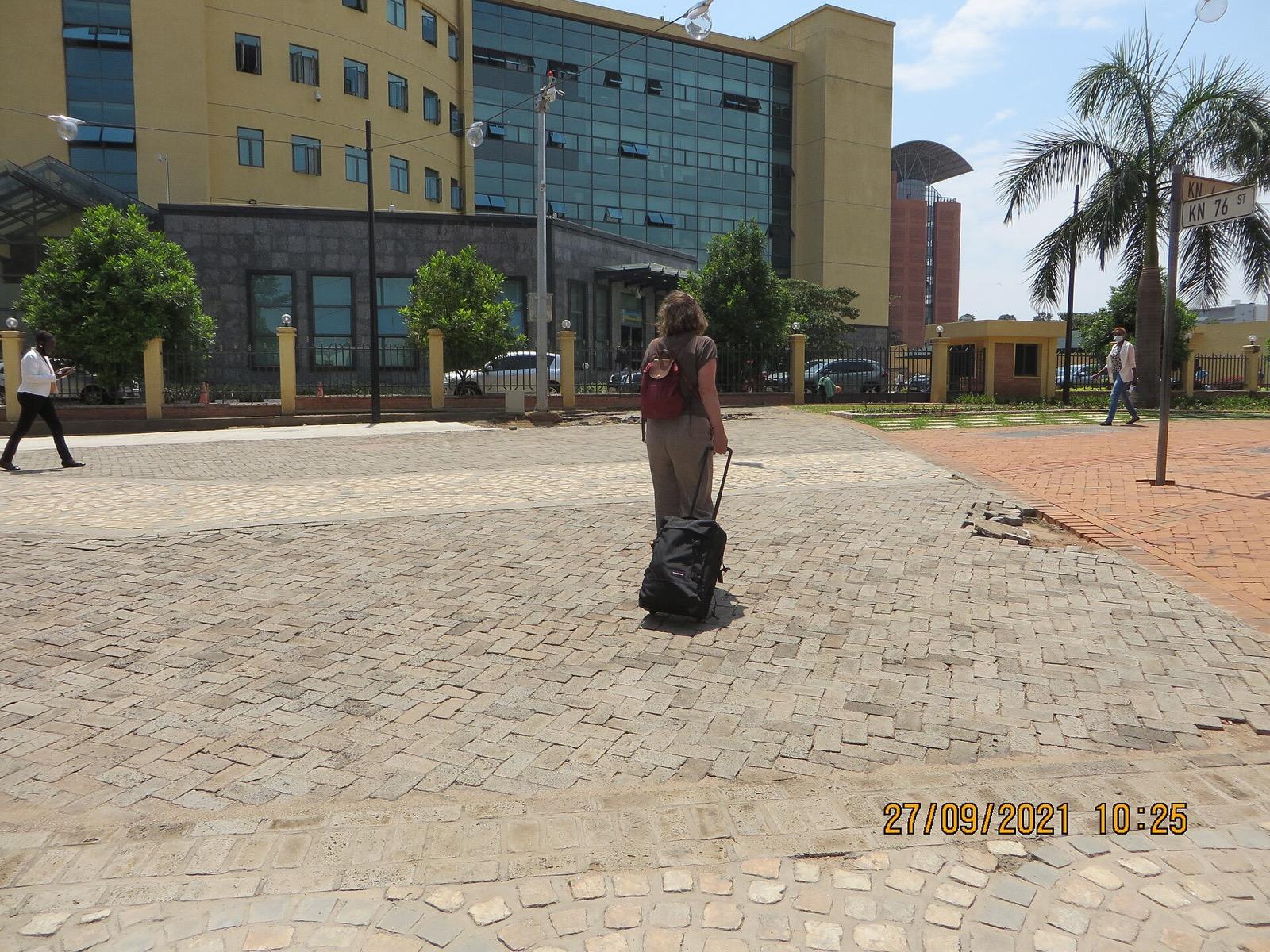
The most common question we get from travellers in their sixties and seventies is a nervous one: am I fit enough? Almost always, the answer is yes — with six weeks of sensible preparation.
What the trek actually demands
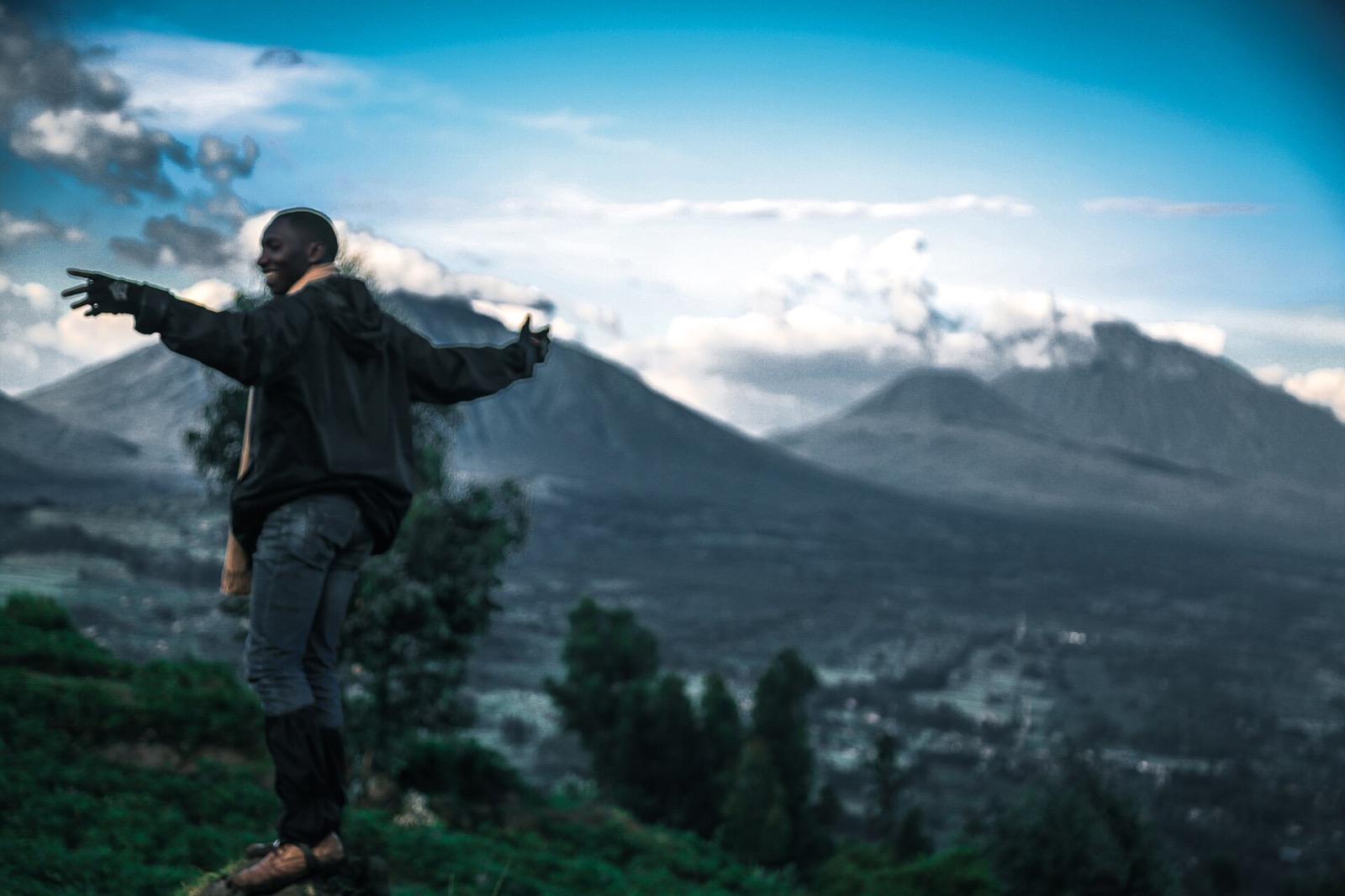
Not technical skill. No scrambling, no exposure, no ropes. What it demands is sustained uphill walking on unstable ground at altitude, for an unpredictable length of time.
| Typical | Worst case | |
|---|---|---|
| Round-trip time | 3–5 hours | 8 hours |
| Altitude | 2,400–2,800 m | 3,000 m+ |
| Gradient | Steady to steep | Very steep |
| Ground | Mud, roots, nettles, volcanic soil | All of the above, wet |
The variable is where your gorilla family slept. There is no way to know until the morning.
The 6-week plan
Weeks 1–2: base
- 3 × 45-minute brisk walks per week on varied ground.
- One longer walk at the weekend, 60–90 minutes.
- Carry a daypack with 3–4 kg from the start, so your shoulders get used to it.
Weeks 3–4: hills
- 2 × 60-minute walks including deliberate hills, or 20 minutes of stair repeats.
- One long walk of 8–10 km with 300 m of ascent.
- Add 10 minutes of core work twice a week — planks, side planks, dead bugs. Balance on mud comes from the trunk.
Weeks 5–6: specificity
- One 12 km walk with 500 m of ascent, in the boots you will wear in Rwanda.
- Two shorter hill sessions.
- Practise walking downhill on steep ground. Descent is where knees complain and where most people struggle on the way back.
Final week
Taper. Two easy walks, lots of sleep, no new boots.
Altitude
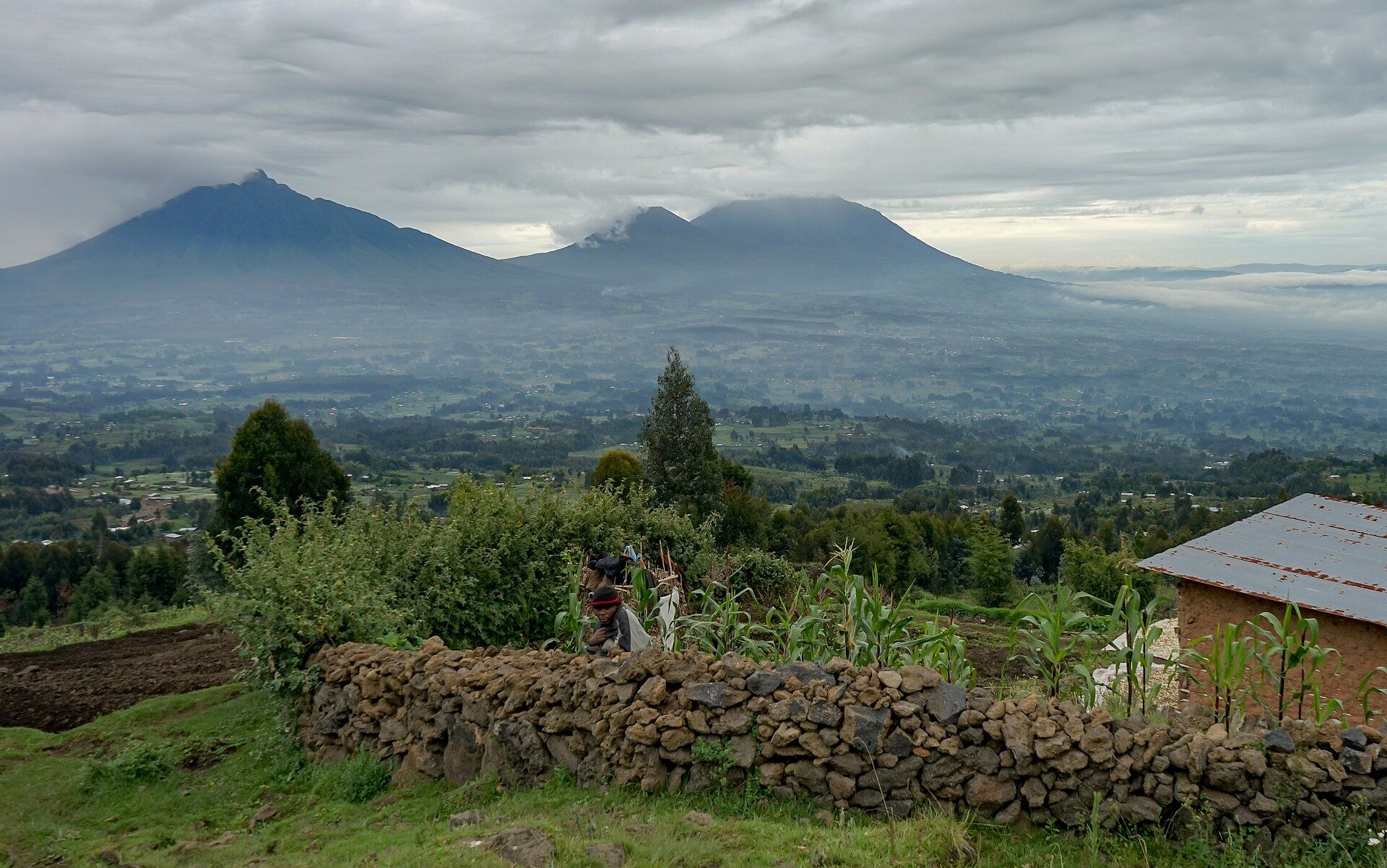
Kigali is at 1,567 m, the park gate at about 2,400 m, and treks climb to 3,000 m. This is high enough to shorten your breath but well below the altitudes where sickness is a serious risk.
What helps: arriving a day early, drinking a lot of water, going easy on alcohol the night before, and walking slowly. Rangers set a deliberately gentle pace, called pole pole in Swahili. Let them.
Gear that does the work for you
- Broken-in waterproof boots with ankle support. The single biggest difference.
- Gaiters. Keep mud and ants out.
- Walking poles. Transformative on descent, especially for knees. Most lodges lend bamboo sticks; bring your own poles if you have them.
- Gardening gloves. For grabbing nettles and branches without regretting it.
Full list in what to pack for gorilla trekking.
The secret weapon: a porter
US$10–20. They carry your bag, take your hand on the steep bits, and physically haul you over obstacles if you need it. We have watched porters turn an impossible trek into a comfortable one for travellers in their late seventies. Hire one even if you think you do not need one — and know that the fee goes directly to a household in a village beside the park.
If you have a specific concern
- Knees: poles, a knee support, and request Sabyinyo or Kwitonda (shorter, gentler).
- Asthma: bring your inhaler and tell the ranger.
- Over 70: entirely normal here. Declare your fitness honestly at the briefing; the warden allocates accordingly.
- Recent surgery or heart condition: talk to your doctor, and tell us in advance so we can plan around it.
Can you be too unfit to trek?
Rarely. Rangers can allocate a family that is 30 minutes from the road, and in exceptional circumstances a sedan chair carried by a team of porters can be arranged for roughly US$300–400 — book this in advance through your operator.
Tell us your honest fitness when you book, and we will match you to the right family and the right trip. Our 3-Day Rwanda Gorilla Trekking Safari suits almost every ability.
Frequently asked questions
How fit do you need to be for gorilla trekking?
Fit enough to walk uphill for two to three hours on muddy, uneven ground at 2,400–3,000 metres. Six weeks of regular hill walking with a daypack is ample preparation for most people.
Can a 70-year-old do gorilla trekking in Rwanda?
Yes, and many do. Declare your fitness at the briefing so the warden allocates a nearer family, hire a porter, and use walking poles on the descent.
Is altitude a problem when gorilla trekking in Rwanda?
Treks reach 2,400–3,000 metres, high enough to shorten your breath but well below serious altitude-sickness territory. Arrive a day early, hydrate and walk slowly.

Written by the Eben Safari Tours team
We are a Kigali-based tour operator, guiding travellers through Rwanda, Uganda, Kenya and Tanzania since 2015. Our guides trek with the gorillas, drive Akagera and climb the volcanoes every week, and we update these guides whenever rules or prices change.