How Crowded Are Gorilla Treks? Group Sizes and Visitor Numbers
Eight people. That is the cap, and it is why gorilla trekking never feels like tourism.
 Eben Safari Tours Team2 min read
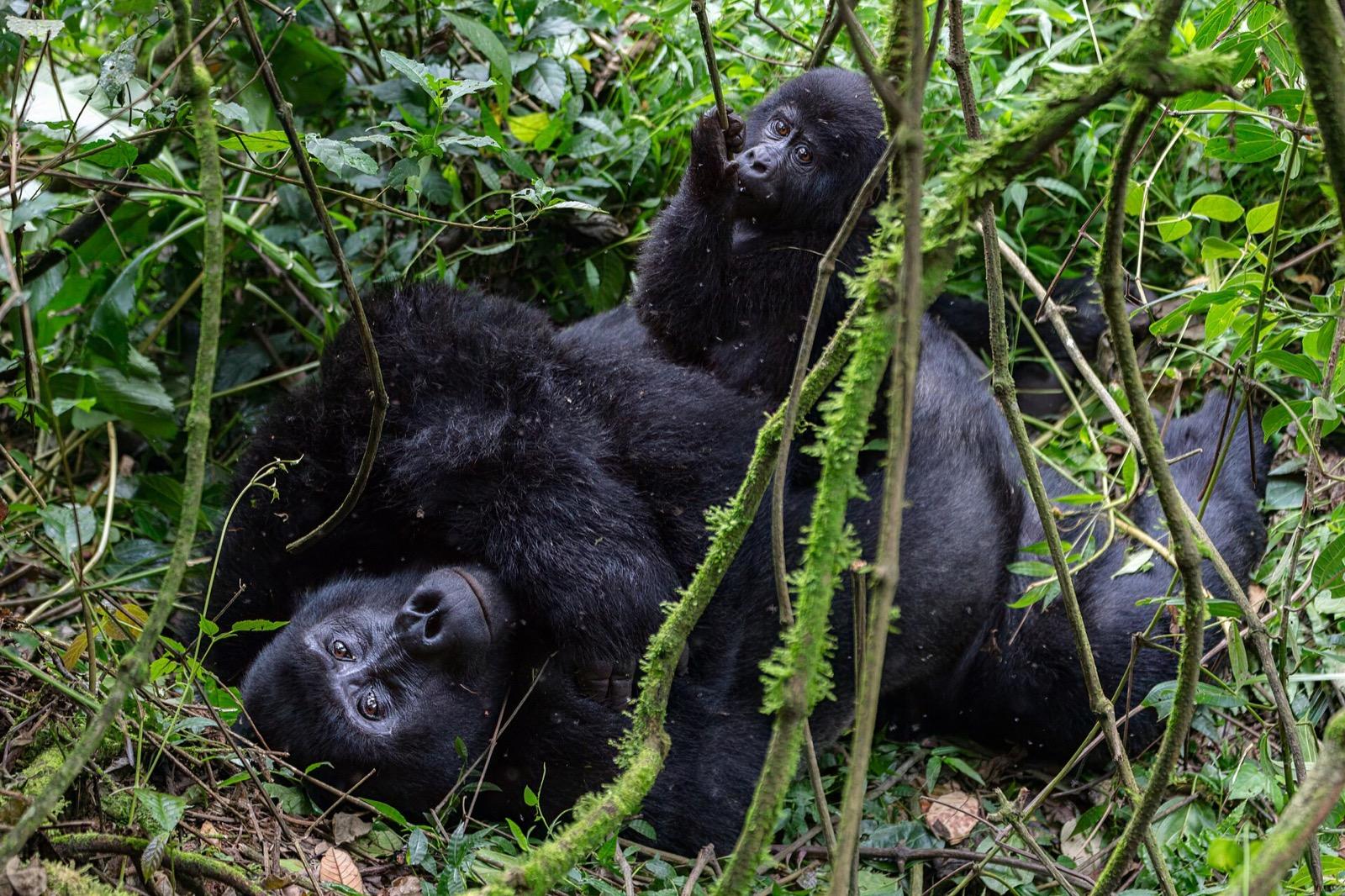
This is one of the genuinely reassuring answers in African wildlife tourism.
The hard cap
| Rwanda | Uganda | |
|---|---|---|
| Visitors per family per day | 8 | 8 |
| Habituated families | 12 | 20+ |
| Maximum visitors in the park per day | 96 | ~160 across four sectors |
| Time with the family | 1 hour | 1 hour |
Eight people, one ranger, two armed scouts, two or three trackers, and however many porters the group has hired. That is everyone you will see in the forest.
Compare that with a Serengeti river crossing in August, where forty vehicles can be parked on a riverbank.
Where it does feel busy
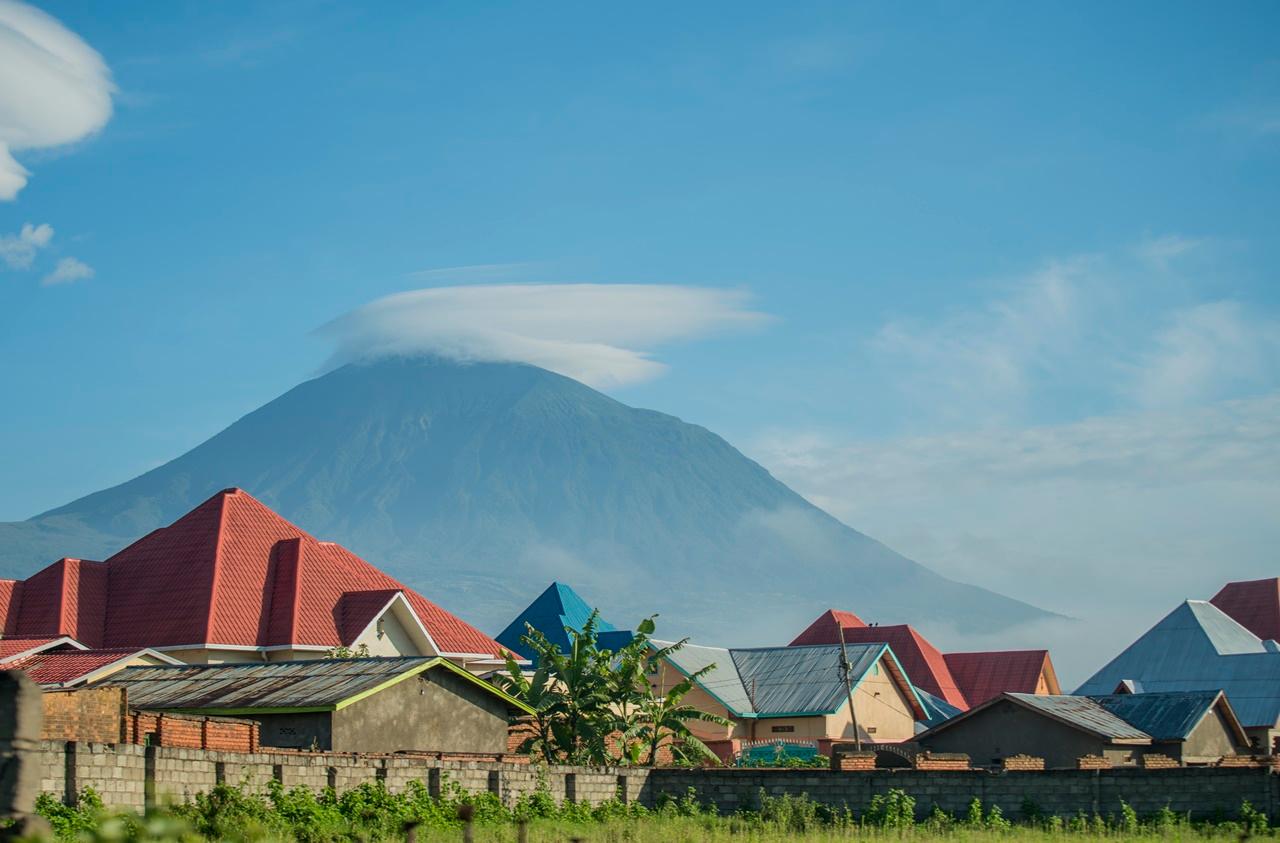
The 07:00 briefing at Kinigi. All 96 visitors, their guides, drivers and the porters gather in one place. In August that is a couple of hundred people with coffee and Intore dancers. It is lively, not oppressive, and it lasts 45 minutes.
The car park. Twenty-odd Land Cruisers. Again, briefly.
Within twenty minutes of the briefing, everyone has dispersed to a different trailhead on a different side of a different volcano, and you will not see another tourist until you come back down.
Busiest and quietest months
| Period | Permit demand |
|---|---|
| June – September | Very high, sold out months ahead |
| Mid-December – early January | Very high |
| January – February | Moderate |
| March – May | Low |
| October – November | Low |
In April we have had clients at the briefing with only three other groups. In August, every one of the 96 permits is used.
This changes the briefing, the lodge, the roads and the price of your bed. It does not change the forest, because the cap is per family.
Does the number of people affect the gorillas?
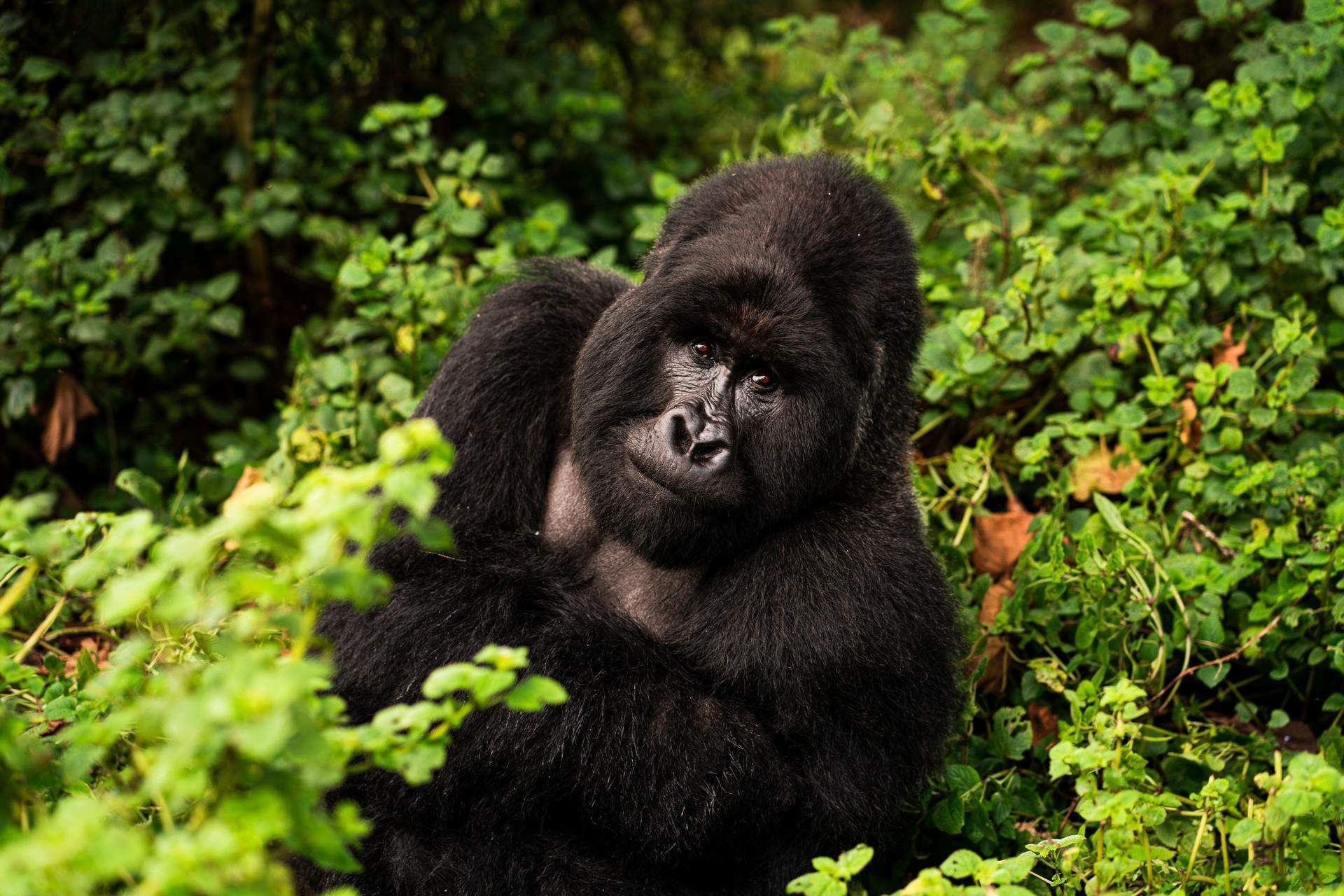
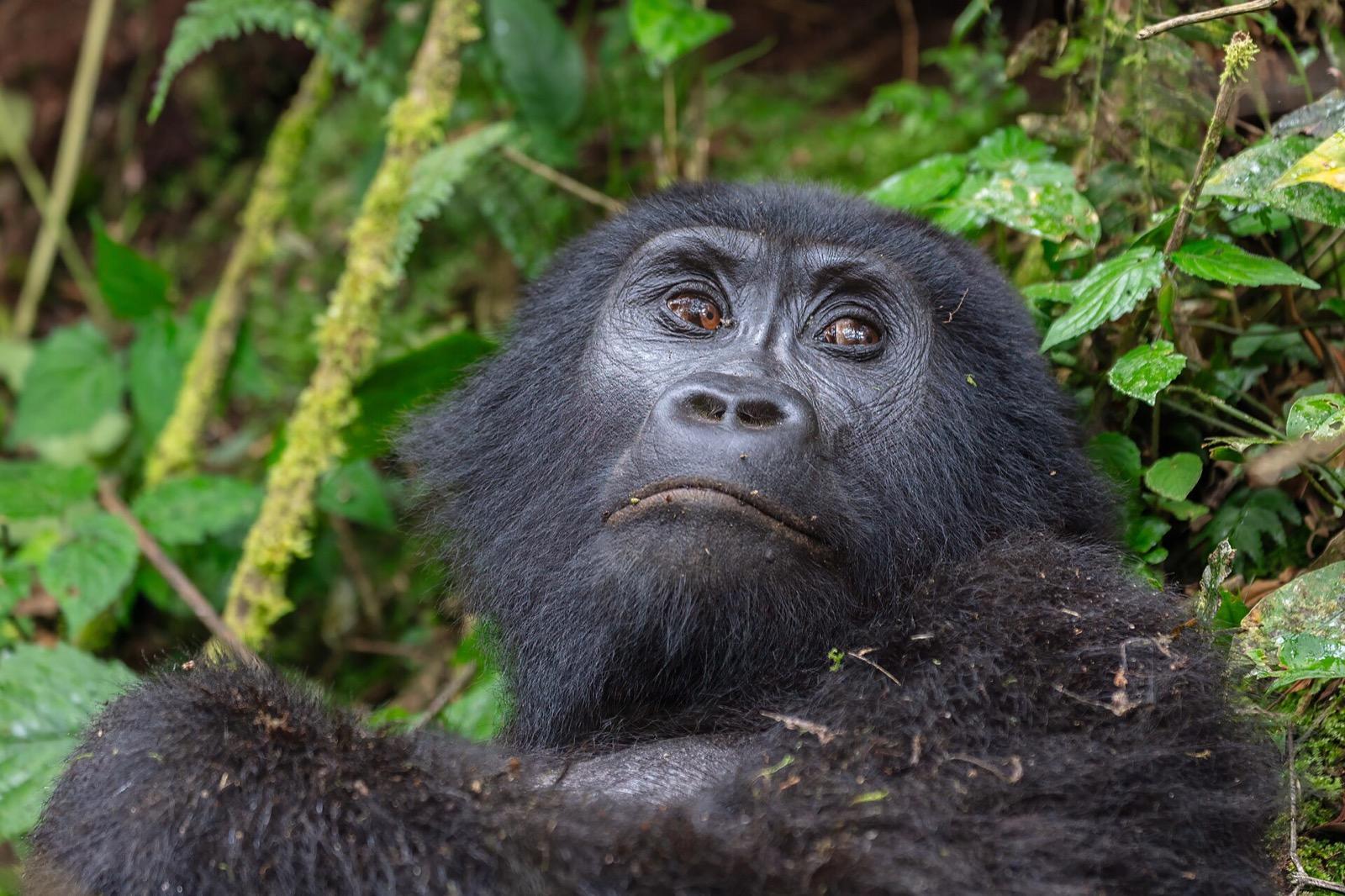
That is exactly what the cap exists to manage. Eight visitors for one hour a day is the limit set by conservation managers to minimise stress and disease risk. The gorillas' behaviour is noticeably unbothered — the usual experience is being completely ignored while a family eats, grooms and naps.
Will there be other groups at the same family?
No. One family, one group, one hour, one day. Your group has the family to itself.
How to have the quietest possible trip
- Travel March–May or October–November. Fewer people everywhere, cheaper lodges, and gorillas often lower down.
- Request a less popular family. The high, hard ones — Susa, Karisimbi, Ugenda — attract fewer requests.
- Stay in Kinigi rather than Musanze. Fewer people around in the evening.
- Skip the Christmas and August peaks.
The honest trade-off
Quiet months are wet months. Trails are muddier and you will get rained on. In exchange you get cheaper lodges, available permits, greener forest, better diffuse light for photography and shorter treks, because gorillas descend for bamboo shoots.
For most people that is a very good trade. See gorilla trekking: peak vs off season.
Frequently asked questions
How many people go gorilla trekking at once?
A maximum of eight visitors per gorilla family per day, plus a ranger, scouts, trackers and porters. You never share a family with another group.
Is Volcanoes National Park crowded?
No more than 96 visitors can trek across the whole park on any day. The only busy moment is the 07:00 briefing at Kinigi, after which everyone disperses to different trailheads.
What is the quietest time to go gorilla trekking in Rwanda?
March to May and October to November. Permits are readily available, lodges discount by 20–40%, and there are far fewer people at the briefing.

Written by the Eben Safari Tours team
We are a Kigali-based tour operator, guiding travellers through Rwanda, Uganda, Kenya and Tanzania since 2015. Our guides trek with the gorillas, drive Akagera and climb the volcanoes every week, and we update these guides whenever rules or prices change.