Bird Watching in Rwanda: A Guide for Nature Lovers
Over 700 species in a country the size of Maryland, including 29 Albertine Rift endemics and the shoebill.
 Eben Safari Tours Team3 min read
Rwanda is one of Africa's most efficient birding destinations: over 700 species within a day's drive of each other, and no long transfers.
The headline birds
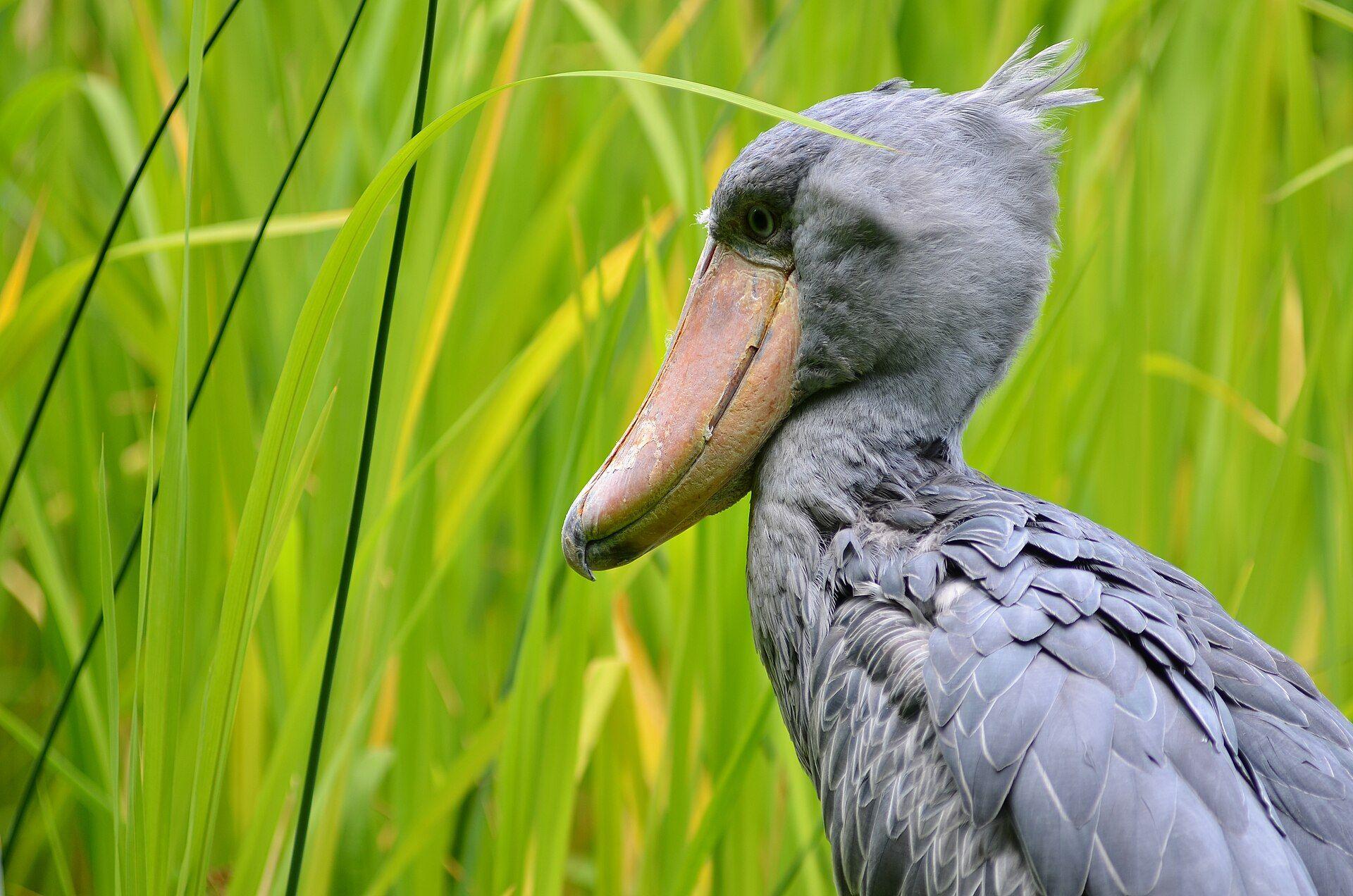
Shoebill — the prehistoric-looking star of African birding, found in the papyrus of Akagera's lakes and swamps. Not guaranteed, but genuinely possible.
Grey crowned crane — Rwanda's national bird, with its golden crest. Once heavily trafficked for private collections; a national campaign has returned hundreds to the wild. Best at Rugezi Marsh and Akagera.
Rwenzori turaco — brilliant green and crimson, an Albertine Rift endemic, in Nyungwe and Volcanoes NP.
Great blue turaco — turkey-sized, absurdly beautiful, crashing through the Nyungwe canopy.
Red-collared mountain babbler — one of the rarest and most sought-after Albertine Rift endemics, essentially a Nyungwe speciality.
Grauer's swamp warbler — endangered, confined to high-altitude swamp, found at Rugezi and Kamiranzovu.
Regal sunbird, Rwenzori double-collared sunbird, strange weaver, handsome francolin, Albertine owlet, Kungwe apalis — the endemic roll-call.
The best sites
Nyungwe Forest National Park
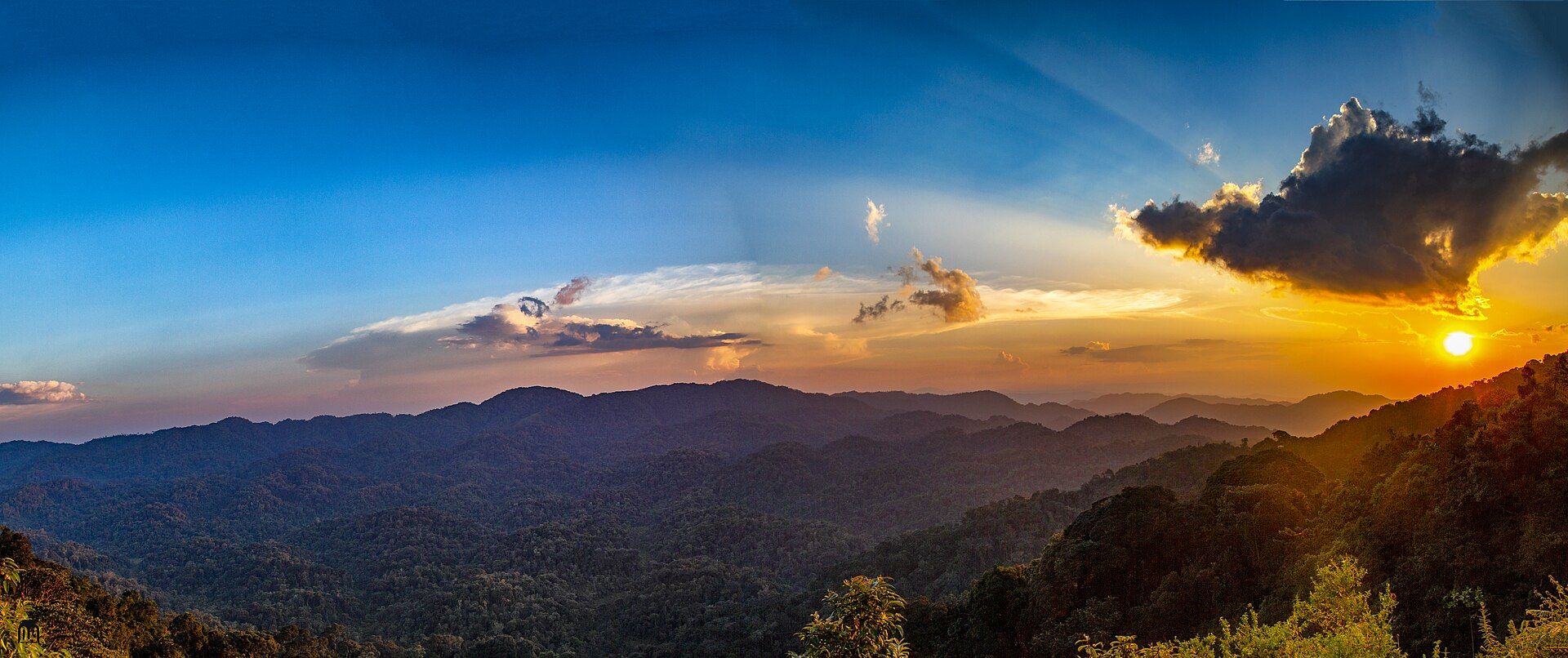
Over 300 species, 29 Albertine Rift endemics. The single best birding site in Rwanda and one of the best in Africa for montane forest species.
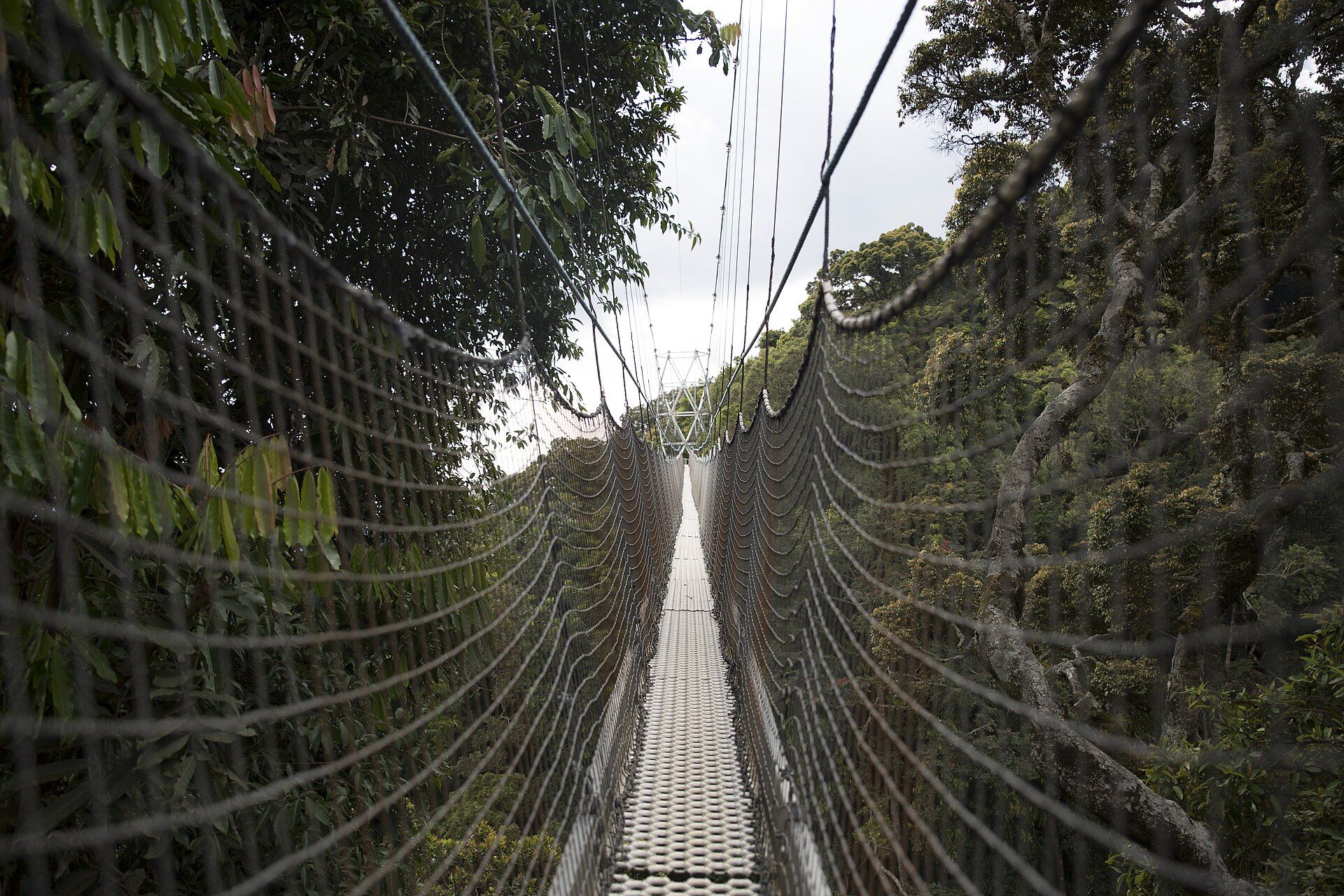
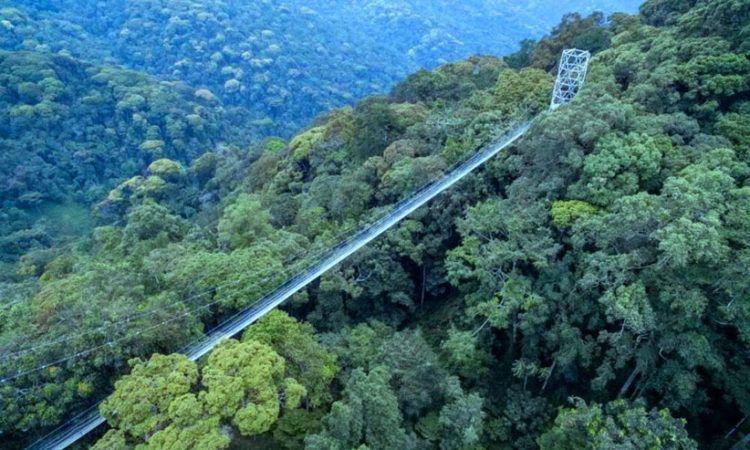
Key trails: the Bigugu trail (highest point, good for endemics), Kamiranzovu Marsh (Grauer's swamp warbler), the canopy walkway (canopy species at eye level), and the Gisakura tea estate edge at dawn.
Needs 3–4 days to do properly. Hire a specialist bird guide through the park.
Akagera National Park
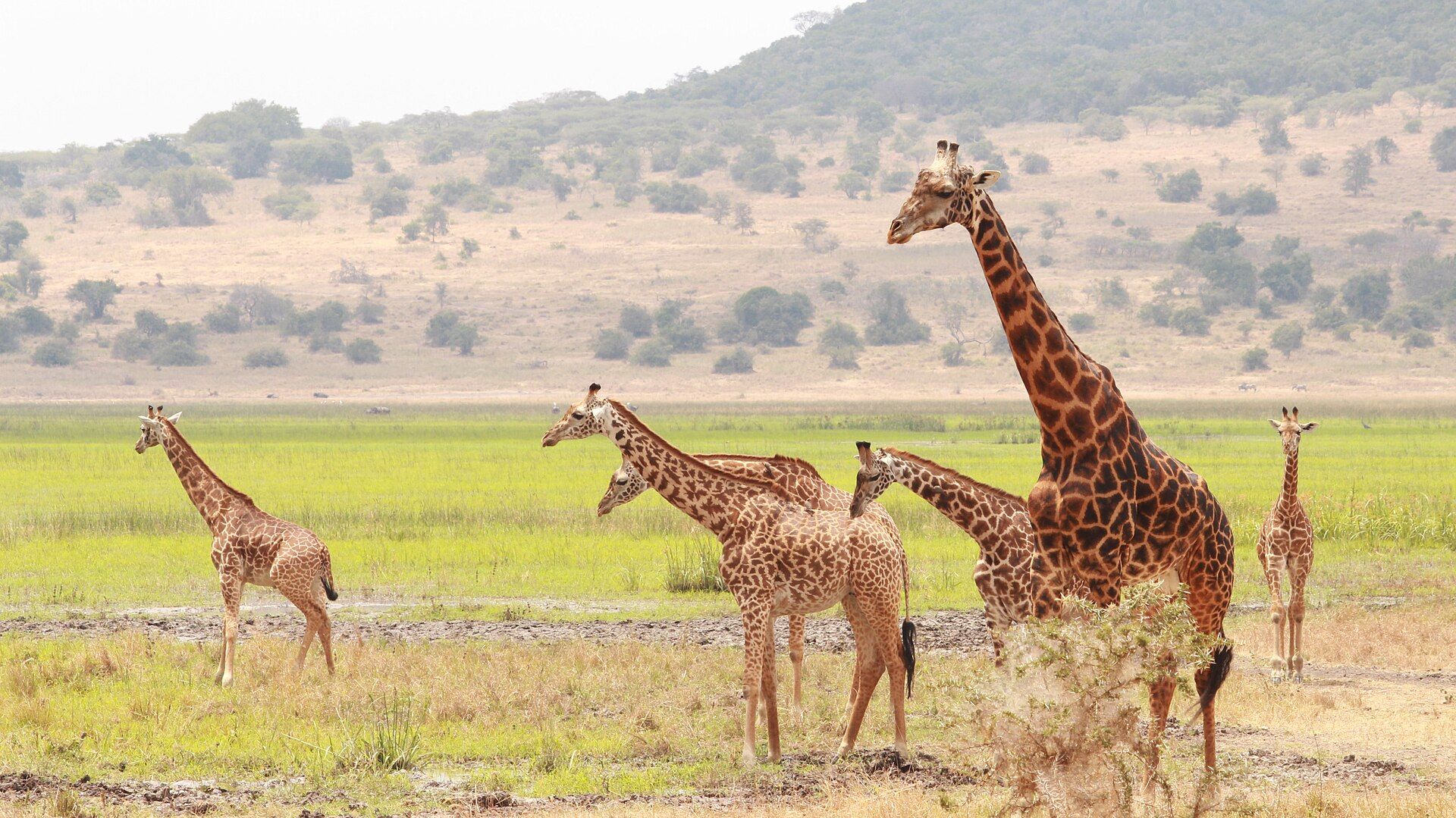
Around 500 species across savanna, woodland, wetland and lake. The widest list in the country.
Specialities: shoebill, papyrus gonolek, white-winged swamp warbler, red-faced barbet (a Lake Victoria basin endemic), African fish eagle, saddle-billed stork, grey crowned crane, and large raptor numbers.
The Lake Ihema boat safari is the most productive birding hour in Rwanda.
Rugezi Marsh
A high-altitude wetland Ramsar site in the north, between Burera and the Ugandan border. Grauer's swamp warbler, grey crowned cranes in numbers, and several papyrus specialists. Underrated and almost never visited.
Volcanoes National Park
Montane and bamboo species, including Rwenzori turaco, Rwenzori batis, dusky crimsonwing and scarlet-tufted malachite sunbird at altitude. You will see some of these on a gorilla trek if you keep your eyes up.
Nyandungu Eco-Park, Kigali
A restored urban wetland with over 100 species, 15 minutes from the city centre. The easiest half-day birding in Rwanda and a lovely morning.
Lake Kivu and Gishwati-Mukura
Kingfishers, cormorants, fish eagles on Kivu; forest species in the recovering Gishwati forest.
When to go
| Period | Birding |
|---|---|
| November – April | Best — Palearctic migrants present, breeding plumage, nesting activity |
| June – September | Good; dry, easier walking, fewer migrants |
| March – May | Wettest, hardest walking, but very active |
Peak: February and March. Resident breeding activity overlaps with migrants still present.
A birding itinerary
Days 1–2 — Kigali and Nyandungu Eco-Park. Days 3–6 — Nyungwe Forest. Bigugu, Kamiranzovu, canopy walk, Gisakura edge. Day 7 — Drive to Lake Kivu; shoreline species. Days 8–9 — Volcanoes NP — gorillas plus montane birding. Day 10 — Rugezi Marsh. Days 11–13 — Akagera: savanna, wetland, boat safari, shoebill search. Day 14 — Kigali, departure.
That list of sites can produce 400–500 species in two weeks with a good guide.
Practical notes
- Hire a specialist bird guide. Rwandan park bird guides are excellent and know the calls. A general safari guide will not find you a red-collared mountain babbler.
- Binoculars: 8×42 is the sweet spot for forest.
- Forest birding is hard: dark, dense, canopy-heavy. Much is by call.
- Dawn is everything. Be on the trail at 06:00.
- Field guide: Birds of East Africa (Stevenson and Fanshawe) is the standard.
- eBird has good Rwandan coverage for recent sightings.
See our birdwatching in Rwanda experience, or ask us to build a birding itinerary with specialist guides.
Frequently asked questions
How many bird species are there in Rwanda?
More than 700 recorded species, including 29 Albertine Rift endemics, in a country of only 26,338 km².
Where is the best birding in Rwanda?
Nyungwe Forest for Albertine Rift endemics, Akagera National Park for savanna and wetland species including the shoebill, and Rugezi Marsh for Grauer's swamp warbler and grey crowned cranes.
Can you see shoebills in Rwanda?
Yes, in the papyrus swamps and lakes of Akagera National Park. Sightings are not guaranteed but the Lake Ihema boat safari offers the best chance.

Written by the Eben Safari Tours team
We are a Kigali-based tour operator, guiding travellers through Rwanda, Uganda, Kenya and Tanzania since 2015. Our guides trek with the gorillas, drive Akagera and climb the volcanoes every week, and we update these guides whenever rules or prices change.