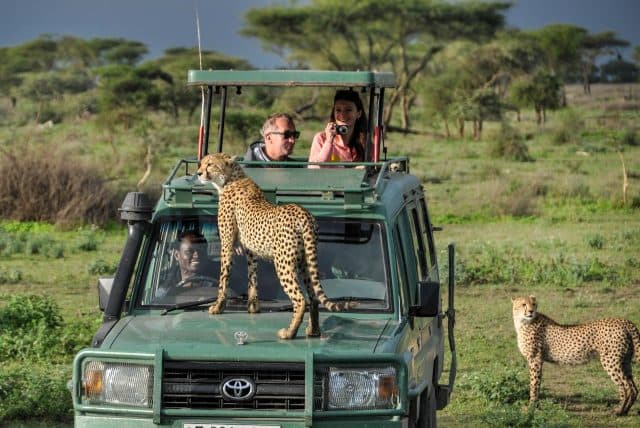
Witness an extraordinary wildlife restoration at Rwanda’s Akagera National Park
10 min•Travel Guides
Lions, white rhinos, elephants, and giraffes have been reintroduced to a park that was once nearly devastated by civil war. Learn how to plan your trip to see the Big Five here, from where to stay to when to go.
Mist clings to the Mutumba Hills, as lakes and rivers wind through sprawling, acacia-dotted savannah. In Akagera National Park, a natural refuge in northeastern Rwanda where wilderness meets resilience, adventure waits around every corner.
Established in 1934, Akagera National Park was nearly devastated by Rwanda’s civil war in the 1990s. As displaced populations were resettled within the park’s boundaries in the aftermath of the war, the protected area for wildlife shrank and poaching skyrocketed. But in 2010, a transformative partnership forged between the non-profit African Parks and the Rwandan Development Board (RDB) gave Akagera another chance.
In the 15 years since the partnership was initiated, Akagera’s ecosystems and animal populations haven’t just recovered—they’re thriving. Today, the park is Central Africa’s largest protected wetland. Wildlife species once wiped out have been reintroduced and now, white rhinos, lions, elephants, and giraffes roam the park’s revitalized plains. Following the successful translocation of 30 white rhinos from South Africa in 2021, another 70 white rhinos were relocated to Akagera from South Africa in June 2025. Currently undergoing careful monitoring by rangers, the rhinos will eventually be integrated into the park, contributing to its growing wildlife population.
As Akagera continues to develop into a continental conservation hub, infrastructure in the park follows suit, including the recent renovation of Karenge Bush Camp and the late 2025 opening of Wilderness Magashi Peninsula, a new high-end safari camp. Akagera welcomes visitors from all walks of life to explore its landscapes in peace without the cars and crowds found in neighboring safari destinations.
Rwanda’s largest national park has preserved its authenticity amidst its revival story, and strikes the perfect balance of accessible, pristine wilderness free from overtourism.
What to do
Covering 433 square miles, Akagera is an outdoor adventurer’s Garden of Eden. Search for the Big Five, along with impala, zebras, and waterbucks, roaming the park’s grasslands, wetlands, woodlands, and lakes. Don’t forget to look up: The park is also home to around 500 bird species.
Game drives, day and night: Take a classic vehicle game drive across Akagera’s rolling hills and lush, forested terrain. Wildlife is most active around sunrise and sunset. Navigate the bumpy roads solo or hire a ranger from the park headquarters to guide your drive. Some lodges offer game drives for overnight guests. Once you’ve explored the park by day, experience Akagera by night. On night drives, the park comes alive with leopards, hyenas, bush babies, mongooses, nightjars, and other nocturnal species.
Boat safaris: Roughly one-third of Akagera is covered in water in an intricate network of lakes, rivers, and swamps. Take a morning, afternoon, or sunset boat ride across the glassy waters of Lake Ihema, the largest of Akagera National Park’s 10 lakes, and home to crocodiles and hippos. Bring your binoculars because the lake is also a hot spot for birdwatching, attracting ibis, shoebill storks, and malachite kingfishers, among others. Guests staying on the Wilderness Magashi Peninsula are also privy to boat trips on Lake Rwanyakazinga.
Hot air balloon ride: Soar over the green plains and snaking waterways of Akagera and spot herds of zebras and giraffes from the sky. In 2022, Royal Balloons launched the first hot air balloon tours within Akagera National Park. Currently, the company operates two balloons that each carry four-six people up to 3,200 feet. You’ll have to rise early for this one, as the meeting time is at sunrise at the south gate. Enjoy a bush breakfast at the highest point in the park after landing.
Walking safari: Ditch the vehicle and explore Akagera National Park on foot. Walking safaris—traditionally guided by rangers—are an intimate way to become acquainted with the bush, allowing you to move silently and tune into subtle sights and sounds.
Look for details like animal tracks and droppings, which are used to help track wildlife. Ruzizi Tented Lodge and Magashi’s two camps offer various types of guided bush walks to guests, and now guests of Karenge Camp can also join rangers on a morning rhino trek as part of their work to monitor the population of rhinos introduced to the park in 2025.
When to go
Lying just south of the Equator, the temperatures in Rwanda are fairly moderate, and Akagera National Park is no different. Daytime temperatures range between 72-81°F, while early morning and nighttime temperatures can drop to the low 60s.
Rwanda experiences periods of heavy rain, which makes game viewing challenging. Avoid visiting during the particularly wet months of March-May and November-December. Heavy rains make road conditions challenging through the park. A lot of the wildlife will be hiding and difficult to see among the tall grass. The best time to visit Akagera is during the country’s dry seasons, which typically range from June-September and January-February. Clear skies are always preferable for a game drive, and the dry season means the grass is shorter, so wildlife is easier to spot.
Where to eat
Where and what you eat in Akagera National Park depends on your accommodation. If you’re camping, pack snacks and supplies for meals. The campsites have grills available for cooking. Prepared food in the park outside of lodges is limited, although there’s a cafe with basic snacks and coffee at the park headquarters, as well as a cafe at Mihindi Camp in the north, where an old research house was turned into a coffee shop. Some lodges, including Akagera Game Lodge and Ruzizi Tented Camp, can prepare lunches for non-staying guests, but you’ll need to call ahead of time.
The high-end safari camps in the park are typically full board, meaning that all meals are included. All-inclusive lodges also prepare early breakfasts and packed lunches for game drives. Expect seasonal, chef-prepared meals inspired by local flavors at Magashi’s camps, more budget spots like Rhino Lodge offers a more basic, non-inclusive menu.
Where to stay
Karenge Bush Camp: Renovated and reopened in May 2025, Karenge Bush Camp has seven canvas tents situated among the Kilala Plains. The understated campsite (including ensuite bathrooms and showers) offers comfortable lodging immersed into the wilds of Akagera, complete with an outdoor fire pit and dining tent. Community-led game drives and night drives are available for an extra fee.